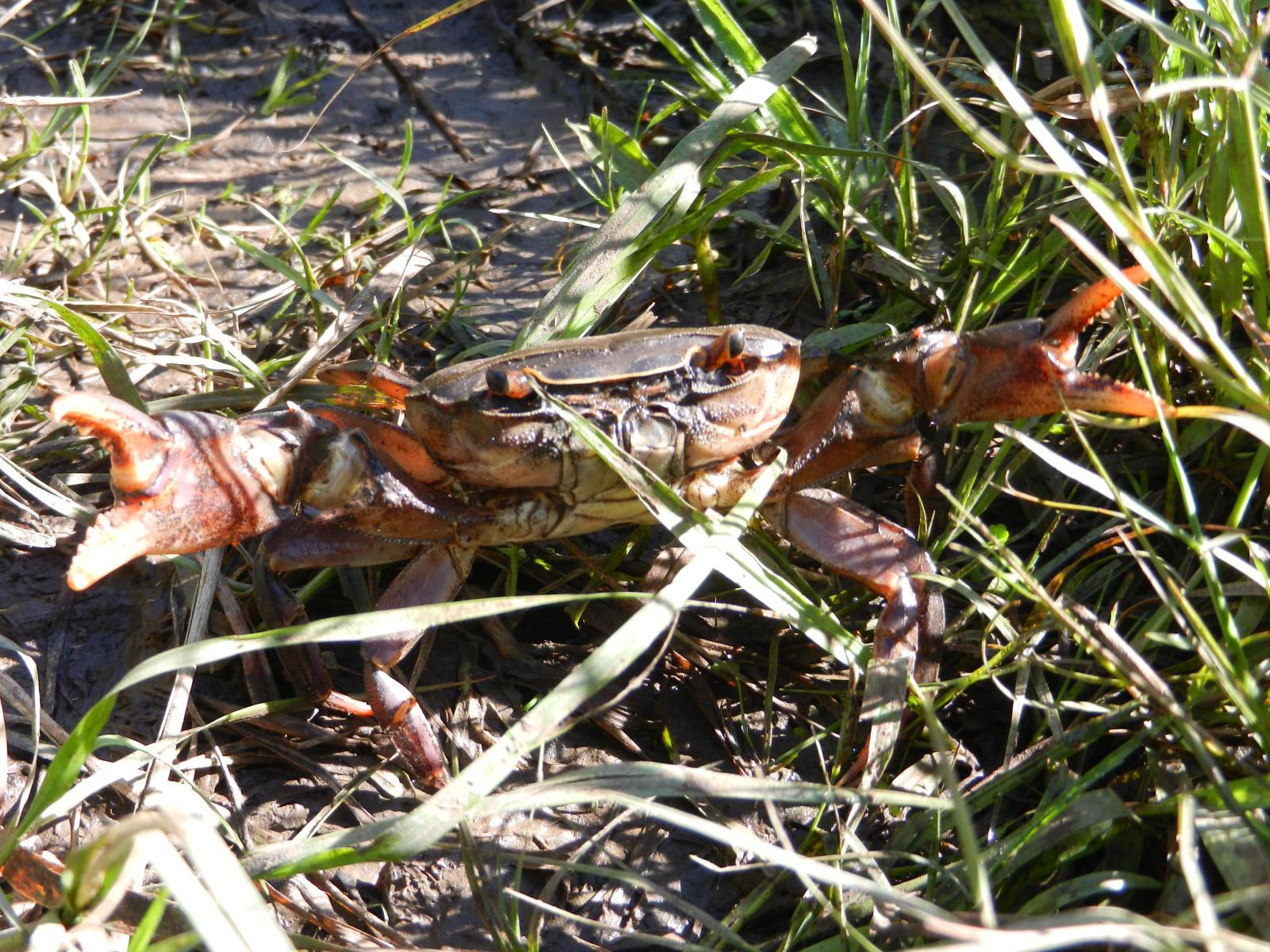
Monavale Vlei is an important wetland area within the city of Harare, characterised by miombo woodlands that play an important role in the fragile ecosystem of the Manyame catchment basin, the main supplier of water for the city of Harare and its suburbs. Throughout the years, Monavale has been subjected to a number of threats such as construction developments, dumping of waste, fires, illegal farming, invasive plants, informal agricultural practices and loss of biodiversity. To address some of these challenges the local community organized itself into a group - Conservation Society of Monavale (Cosmo) Trust, to protect the area and, with the help of the municipality of Harare and some international bodies, implemented a series of actions designed to protect the wetland and reduce the loss of biodiversity, among many others. In 2009 the NGO was awarded a United Nations Development Programme Global Environment Facility Small Grant. The intervention had 3 objectives: to restore parts of the wetlands, to advocate with the local and international authorities for the legislative protection of the wetlands, and to engage the scientific community in research regarding the wetlands. This enabled Cosmo to restore Monavale vlei to an almost pristine wetland state, and other UN funding has made possible several training and awareness projects for a wide range of audiences. (1,2,3)

Overview
Nature-based solution
- Blue infrastructure
- Deltas
- In-land wetlands, peatlands, swamps, and moors
Key challenges
- Climate action for adaptation, resilience and mitigation (SDG 13)
- Climate change adaptation
- Climate change mitigation
- Environmental quality
- Soil quality improvement
- Green space, habitats and biodiversity (SDG 15)
- Habitat and biodiversity restoration
- Habitat and biodiversity conservation
- Water management (SDG 6)
- Flood protection
- Improvements to water quality
- Inclusive and effective governance (SDG 16)
- Effective management
- Social justice, cohesion and equity (SDG 10)
- Environmental education
- Economic development and employment (SDG 8)
- Economic development: agriculture
Focus
Project objectives
Implementation activities
Climate-focused activities
Climate change adaptation:
- Implement solutions to capture/store water to increase its availability and prevent shortages from droughts
- Restore wetlands and/or coastal ecosystems to dissipate the effects of flooding and/or storms
- Renaturalization of rivers and other water bodies
Climate change mitigation:
- Increase green urban nature for carbon storage (wetlands, tree cover)
- Improve carbon sequestration through selection of more adaptable species
- Raise public awareness of behaviours, lifestyle and cultural changes with mitigation potential
Biodiversity conservation or restoration-focused activities
Biodiversity conservation:
- Protect and enhance urban habitats
- Preserve and strengthen existing habitats and ecosystems
- Preserve and strengthen habitat connectivity
- Reduce negative impacts and avoid the alteration/damage of ecosystem
- Protect species
- Undertake specific measures to protect species
- Undertake specific measures to protect native species
- Control and clean invasive alien species
- Means for conservation governance
- Raise public awareness
- Public engagement
- Capacity building
Biodiversity restoration:
- Restore species (native, endangered, or unspecified)
- Restore native species
- Clear and control invasive alien species
- Public engagement
Main beneficiaries
- Local government/Municipality
- Non-government organisation/Civil Society
- Citizens or community groups
- Young people and children
- Marginalized groups: Socio-economically disadvantaged populations (e.g. low-income households, unemployed)
Governance
Management set-up
- Co-governance with government and non-government actors
Type of initiating organisation
- Local government/municipality
- Non-government organisation/civil society
- Transnational network
Participatory approaches/ community involvement
- Co-planning (e.g. stakeholder workshops, focus groups, participatory mapping)
- Dissemination of information and education
- Consultation (e.g. workshop, surveys, community meetings, town halls)
- Joint implementation (e.g. tree planting)
Details on the roles of the organisations involved in the project
Project implemented in response to ...
Financing
Total cost
Source(s) of funding
- Multilateral funds/international funding
Type of funding
- Direct funding (grants, subsidies, or self-financed projects by private entities)
Non-financial contribution
- Provision of land
- Provision of goods
- Provision of labour
- Provision of expertise
- Public authorities (e.g. land, utility services)
- Citizens (e.g. volunteering)
- Other
Impacts and Monitoring
Environmental impacts
- Environmental quality
- Improved soil quality
- Water management and blue areas
- Improved water quality
- Increased protection against flooding
- Green space and habitat
- Reduced biodiversity loss
- Increased number of species present
- Increased protection of threatened species
- Improved prevention or control of invasive alien species
Economic impacts
- Generation of income from NBS
Socio-cultural impacts
- Health and wellbeing
- Gain in activities for recreation and exercise
- Education
- Increased support for education and scientific research
- Increased knowledge of locals about local nature
- Increased awareness of NBS and their benefits
Type of reported impacts
Presence of formal monitoring system
Presence of indicators used in reporting
Presence of monitoring/ evaluation reports
Availability of a web-based monitoring tool
References
2. The Standard (2012), Monavale vlei, an inspiration and case study, available at Source link (accessed 03-04-2022)
3. Monavale Vlei, official website, available at Source link (accessed 03-04-2022)
4. Wetland Link International, Monavale Vlei (Ramsar Site 2107), available at Source link (accessed 03-04-2022)
5. The Herald (2022), Wetlands, unsung heroes of climate change crisis, available at Source link (accessed 03-04-2022)
6. Dorothy Wakeling (2022), Wetland Restoration - Generic Guidelines for Zimbabwe, draft prepared for for The Environmental Management Agency (accessed 03-05-2022)
7. Mutyavaviri Fungai (2006), Impact of cultivation on soil and species composition of the Monavale Vlei, Harare, available at Source link (accessed 03-05-2022)
8. Shoshore, Innocent (2015) An Assessment of a Vlei Ecosystem Restoration Process: Monavale Vlei, Harare. Masters thesis, University of Zimbabwe, available at Source link (accessed 03-05-2022)