

Last updated: October 2021
"The HUERTAS LIFE KM0 project aims to recover the natural peri-urban Gardens of Zaragoza through the promotion of a ‘zero kilometre’ (km0) concept of local agricultural production. It expects to demonstrate a successful approach for implementing the European Territorial Strategy (ETS), delivering economic, social, health and environmental benefits. " (ref 4) in peri-urban green areas that have been neglected (Ref. 4).
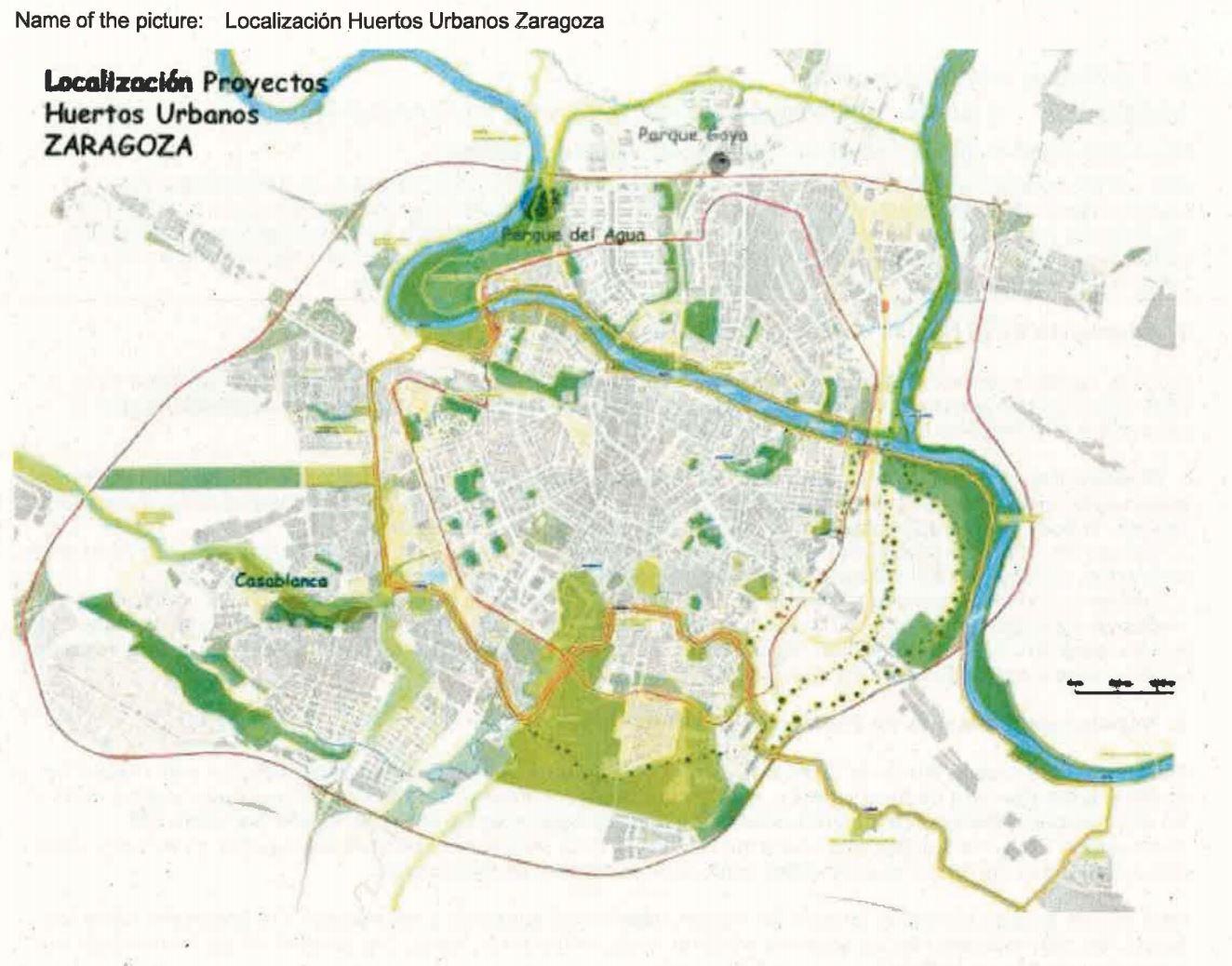
Source: Ref. 3
Overview
Nature-based solution
- Parks and urban forests
- Green corridors and green belts
- Community gardens and allotments
- Allotments
- Community gardens
- Horticulture
Key challenges
- Green space, habitats and biodiversity (SDG 15)
- Habitat and biodiversity restoration
- Green space creation and/or management
- Environmental quality
- Soil quality improvement
- Economic development and employment (SDG 8)
- Economic development: agriculture
- Employment/job creation
- Cultural heritage and cultural diversity
- Preservation of natural heritage
- Sustainable consumption and production (SDG 12)
- Sustainable consumption
- Sustainable production
Focus
Maintenance and management of urban nature
Project objectives
The NBS aimed to create a sustainable model of local productivity that would (Ref. 4):
- Increase non-intensive cultivation of plots of land in the Gardens of Zaragoza;
- Halt the environmental degradation of this area, remediate and improve soil fertility, regenerate the natural environmental system, and protect local biodiversity;
- Deliver an increase in quality, autochthonous and traditional varieties of fruits and vegetables for sale locally; and
- Promote a km0 concept of agricultural production, reducing the ecological footprint of food consumption of the city
Implementation activities
- Provide training and technical assistance to entrepreneurs who want to develop a business in local non-intensive farming (Ref. 4)
- Support the creation of urban allotments in which individuals can grow their own fruit and vegetables (Ref. 4)
- Promote locally-produced organic products amongst consumers and retail outlets in Zaragoza (Ref. 4)
- Monitor and improve ecological corridors (Ref. 4)
- Create a management body to support the ongoing development of local organic farming, including representatives of the City Council, farmers, research institutions and consumers. (Ref. 4)
- Environmental intervention in the Huerta de Zaragoza (Ref.1)
- Creation of Huertas LIFE network (Ref. 1)
- Encourage the natural farming of native species (Ref.1)
- Delimitation of the plots suitable for cultivation existing in the Huerta de Zaragoza (Ref.1)
- Adjustment of a plot for the experimental planting of natural crops (Ref.1)
- Modeling of the farming: "Huerta LIFE Km0" (Ref.1)
- Promotion of new entrepreneurial farmers (Ref.1)
- Training in the "Escuela Agrícola Verde Km0" (Ref.1)
- Support for the creation of Urban Gardens
- Awareness Plan and dissemination of "Products Km0" among citizens (Ref.1)
Biodiversity conservation or restoration-focused activities
Biodiversity restoration:
- Rehabilitate and restore damaged or destroyed ecosystems
- Restore ecological connectivity
- Public engagement
Main beneficiaries
- Local government/Municipality
- Citizens or community groups
Governance
Management set-up
- Government-led
Type of initiating organisation
- Local government/municipality
Participatory approaches/ community involvement
- Co-planning (e.g. stakeholder workshops, focus groups, participatory mapping)
Details on the roles of the organisations involved in the project
Ayuntamiento de Zaragoza (City Council of Zaragoza) was the planner of the project The horticulture citizen groups consulted during the planning. (Ref 1)
Funding from EU (Ref. 1,3)
Universities and various groups/ collectives supported project (Ref. 1,7)
Project implemented in response to ...
... an EU policy or strategy?
Yes
(The project expects to demonstrate a successful approach for implementing the European Territorial Strategy (ETS), delivering economic, social, health and environmental benefits. " (Ref. 4))
... a national policy or strategy?
Unknown
... a local policy or strategy?
Yes
(Agenda 21, 2000 (Ref. 3, Proposal, p.3 of 109))
Financing
Total cost
€500,000 - €2,000,000
Source(s) of funding
- EU funds
- Public local authority budget
Type of funding
- Earmarked public budget
- Direct funding (grants, subsidies, or self-financed projects by private entities)
Non-financial contribution
No
Impacts and Monitoring
Environmental impacts
- Climate change
- Reduced emissions
- Strengthened capacity to address climate hazards/natural disasters
- Enhanced carbon sequestration
- Environmental quality
- Improved waste management
- Improved soil quality
- Green space and habitat
- Increased number of protection areas
- Increased green space area
- Increased conversion of degraded land or soil
- Restoration of derelict areas
Economic impacts
- Increase of green jobs (e.g. paid employment positions)
- Increase in agricultural production (for profit or not)
- Generation of income from NBS
- Increased market share for green economies
Socio-cultural impacts
- Social justice and cohesion
- Increased involvement of locals in the management of green spaces
- Increased access to healthy/affordable food
- Increased sustainability of agriculture practices
- Cultural heritage and sense of place
- Protection of natural heritage
- Protection of historic and cultural landscape / infrastructure
- Education
- Increased support for education and scientific research
- Increased knowledge of locals about local nature
- Increased awareness of NBS and their benefits
Type of reported impacts
Achieved impacts
Presence of formal monitoring system
Yes
Presence of indicators used in reporting
Yes
Presence of monitoring/ evaluation reports
Yes
Availability of a web-based monitoring tool
No evidence in public records
References
1. Ayuntamiento de Zaragoza. (n.d.). Huertas LIFE Km0. Available at: Source link [Accessed: 3 September 2020].
2. CERAI. (2015). Reunión de seguimiento del proyecto Huertas Life km 0. Available at: Source link [Accessed 3 September 2020].
3. European Commission. (2013). Proposal LIFE12 ENV/ES/000919 "Recuperacion medioambiental de espacios periurbanos mediante la intervencion en el ecosystema y la ecologia." Available at: Source link [Accessed 3 September 2020].
4. European Union. (2013). HUERTAS LIFE KM0 - Environmental recovery of peri-urban areas through the intervention in the ecosystem and ecological farming. Huertas LIFE Km0. [Document provided].
5. Heraldo Espana. (2016). Huertas Life reúne a más de 150 personas de toda Europa. Available at: Source link [Accessed 3 September 2020].
6. Biot, Valerie. (2014). Territorial scenarios and Vision: towards EU 2050. European Union. Available at: Source link [Accessed 3 September 2020].
7. Ayuntamiento de Zaragoza. (n.d.). Huertas LIFE Km0. Presentation. [Document provided].
8. Ayuntamiento de Zaragoza (2014). ACTA DE SESiÓN DE TRABAJO. [Document provided].
9. Huertas Life Km 0 (n.d.). Huertas Life Km 0. Facebook page. Available at: Source link [Accessed 3 September 2020].
2. CERAI. (2015). Reunión de seguimiento del proyecto Huertas Life km 0. Available at: Source link [Accessed 3 September 2020].
3. European Commission. (2013). Proposal LIFE12 ENV/ES/000919 "Recuperacion medioambiental de espacios periurbanos mediante la intervencion en el ecosystema y la ecologia." Available at: Source link [Accessed 3 September 2020].
4. European Union. (2013). HUERTAS LIFE KM0 - Environmental recovery of peri-urban areas through the intervention in the ecosystem and ecological farming. Huertas LIFE Km0. [Document provided].
5. Heraldo Espana. (2016). Huertas Life reúne a más de 150 personas de toda Europa. Available at: Source link [Accessed 3 September 2020].
6. Biot, Valerie. (2014). Territorial scenarios and Vision: towards EU 2050. European Union. Available at: Source link [Accessed 3 September 2020].
7. Ayuntamiento de Zaragoza. (n.d.). Huertas LIFE Km0. Presentation. [Document provided].
8. Ayuntamiento de Zaragoza (2014). ACTA DE SESiÓN DE TRABAJO. [Document provided].
9. Huertas Life Km 0 (n.d.). Huertas Life Km 0. Facebook page. Available at: Source link [Accessed 3 September 2020].
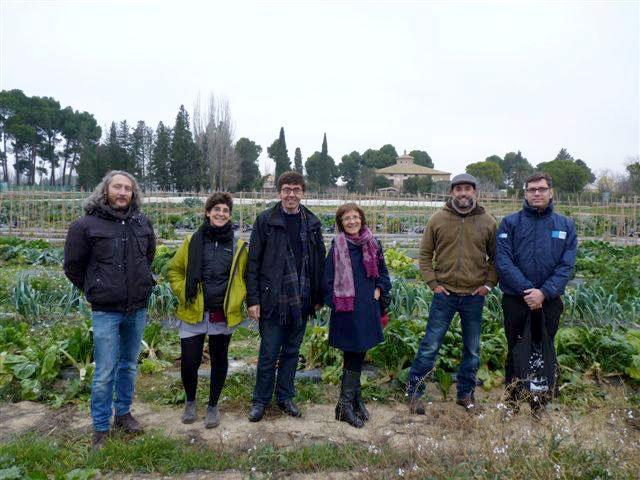
Source: Ref. 2, by Zaragoza City Council
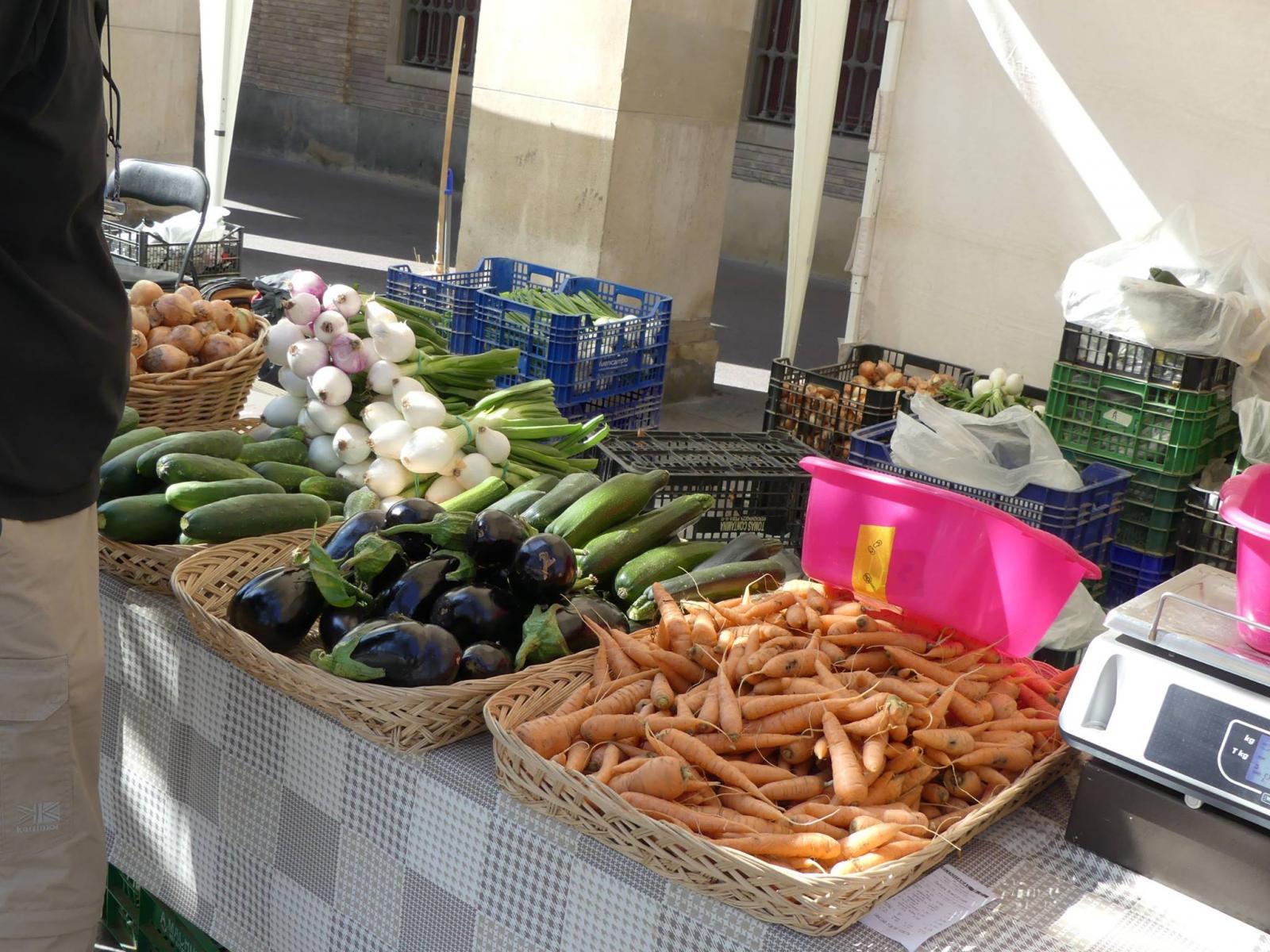
Source: Ref. 9
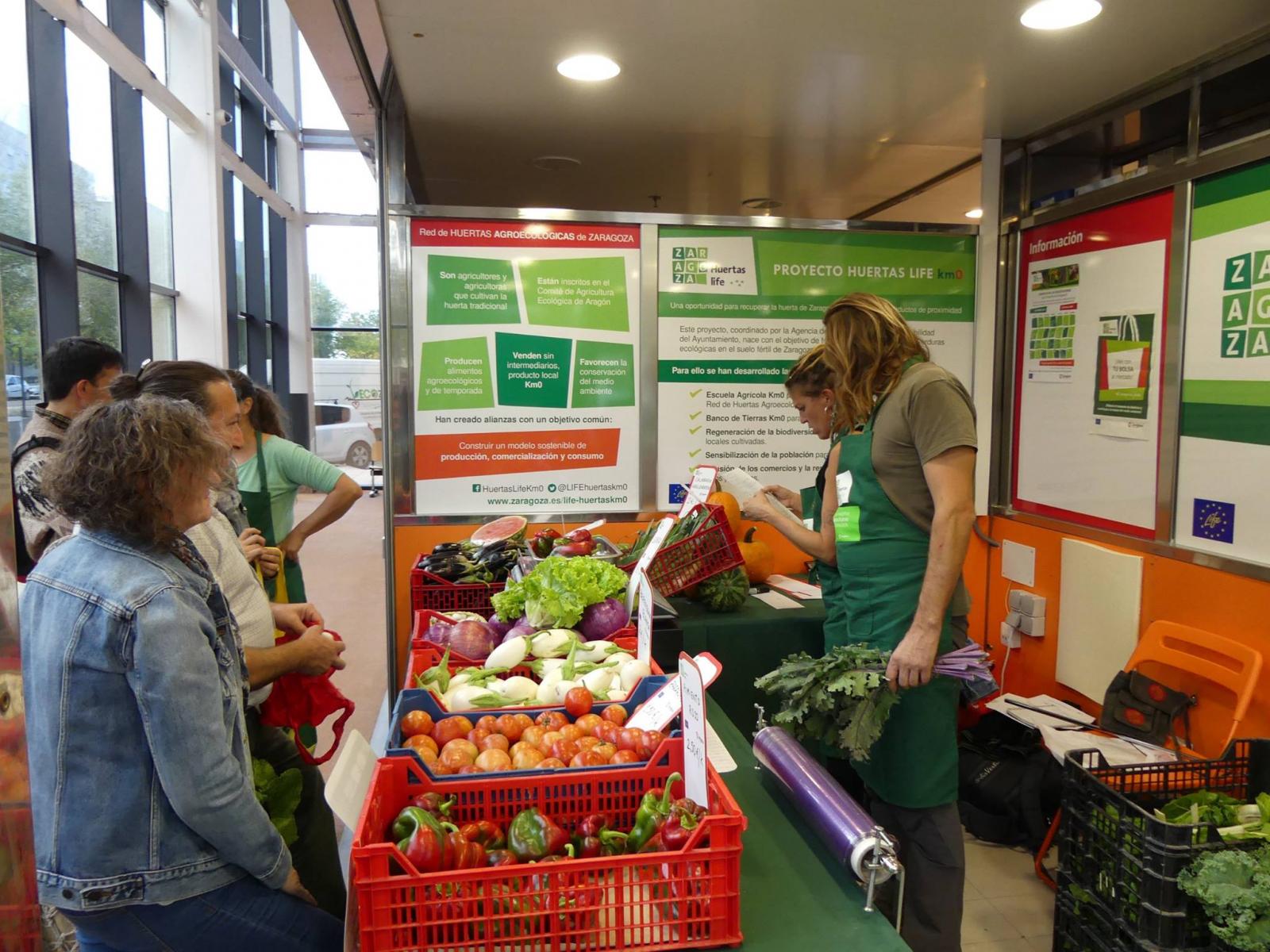
Source: Ref. 9