

Last updated: October 2021
"The Imperial Canal of Aragon acts like a green corridor crossing the city of Zaragoza from Montecanal to Torrero and passing through Casablanca and the Great Park." (Ref 2) The more than 200 years old waterway runs through 7 regional parks and green areas and it is 41 km long. (Ref. 1 and Ref 3) Its rehabilitation has been planned in 2003 for parts of the canal with bike paths built, pedestrian walkways, strengthening of its hydrological structure, and protection of its greenery. (Ref 6)
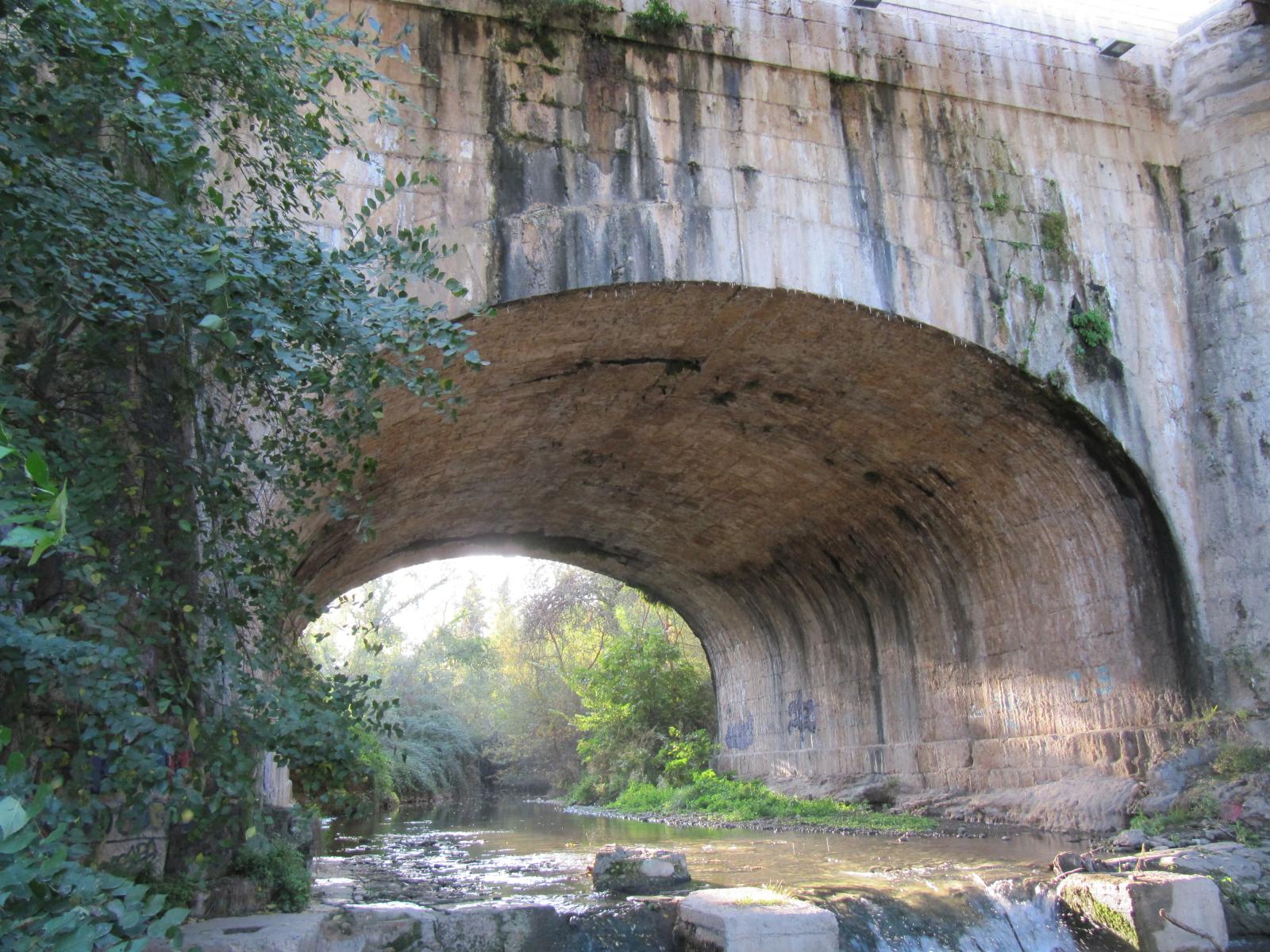
Imperial Canal (2011)
City Council of Zaragoza, retrieved 08/15/2018
Overview
Nature-based solution
- Grey infrastructure featuring greens
- Blue infrastructure
- Riverbank/Lakeside greens
- Parks and urban forests
- Green corridors and green belts
- Rivers/streams/canals/estuaries
Key challenges
- Water management (SDG 6)
- Stormwater and rainfall management and storage
- Green space, habitats and biodiversity (SDG 15)
- Green space creation and/or management
- Cultural heritage and cultural diversity
- Preservation of natural heritage
- Protection of historic and cultural landscape/infrastructure
Focus
Maintenance and management of urban nature, Management and improved protection of rivers and other blue areas
Project objectives
There are ongoing efforts (including those in 2003 and 2014) to rehabilitate and maintain the Imperial Canal of Aragon (Ref.6,7), so that it continues its functions as:
- a green corridor connecting different neighbourhoods of the city (Ref 2)
- a waterway for times of drought (Ref 5)
The canal is also noted for the important role in biodiversity that it continues to play. (ref 3)
Implementation activities
The canal was first built in the XVII century, and presented as one of the most important ancient engineering projects in Europe. (Ref 3)
Recently, rehabilitation has been planned in 2003 for parts of the canal with bike paths built, pedestrian walkways, strengthening of its hydrological structure, and protection of its greenery. ( Ref 6)
Main beneficiaries
- Local government/Municipality
- Citizens or community groups
Governance
Management set-up
- Government-led
Type of initiating organisation
- National government
- Regional government
- Local government/municipality
Participatory approaches/ community involvement
- Other
Details on the roles of the organisations involved in the project
Citizens demand for actions to be taken in canal rehabilitation. (Ref 7)
Hydrological Confederation of the Ebro, Navarra Regional Government, Aragon Regional Government, Ayuntamiento de Zaragoza (local gov) are all involved in the management of the long canal. (Ref 8)
The overall Hydrological Plan of the Ebro is operated under the Spanish Government's Ministry of Natural Environment (Medio Ambiente). (ref 9)
Project implemented in response to ...
... an EU policy or strategy?
Unknown
... a national policy or strategy?
Yes
(Hydrological Regulation Plan for the Ebro River 2010, this plan outlines different actions on sections of the canal which runs parallel to the Ebro river (Ref. 4))
... a local policy or strategy?
Yes
(Hydrological Regulation Plan for the Ebro River 2010, this plan outlines different actions on sections of the canal which runs parallel to the Ebro river (Ref. 4))
Financing
Total cost
€2,000,000 - €4,000,000
Source(s) of funding
- Public national budget
- Public regional budget
- Public local authority budget
Type of funding
- Earmarked public budget
- Unknown
Non-financial contribution
Unknown
Impacts and Monitoring
Environmental impacts
- Water management and blue areas
- Reduced risk of damages by drought
- Enhanced protection and restoration of freshwater ecosystems
- Green space and habitat
- Increased green space area
Economic impacts
- Unknown
Socio-cultural impacts
- Social justice and cohesion
- Improved access to urban green space
- Health and wellbeing
- Gain in activities for recreation and exercise
Type of reported impacts
Achieved impacts
Presence of formal monitoring system
Unknown
Presence of indicators used in reporting
Yes
Presence of monitoring/ evaluation reports
Yes
Availability of a web-based monitoring tool
No evidence in public records
References
1. Ayuntamiento de Zaragoza. (2017). Canal Imperial de Aragon. [Not available in 2020].
2. Red de Aragon. (2008). El Canal Imperial de Aragón como corredor verde. Available at: Source link. [Accessed: 4 September 2020].
3. Ayuntamiento de Zaragoza. (n.d). EL CANAL IMPERIAL DE ARAGÓN en ZARAGOZA: Corredor de Historia. [Document provided].
4. Confederación Hidrográfica del Ebro. (2009). Canal Imperial de Aragón. Available at: Source link. [Accessed: 4 September 2020].
5. Ayuntamiento de Zaragoza. (2012). El Canal Imperial de Aragon. [Document provided].
6. El periodico de Aragon. (2003). Urbanismo mejorará las márgenes del Canal Imperial. Available at: Source link. [Accessed: 4 September 2020].
7. El periodico de Aragon. (2014). Jornada reivindicativa para exigir la renovación del canal. Available at: Source link. [Accessed: 4 September 2020].
8. Canal Imperial de Aragon. (n.d.). Canal imperial. Available at: Source link. [Accessed: 4 September 2020].
9. Gobierno de Espana. (2015). Folleto del Plan Hidrologico. Available at: Source link. [Accessed: 4 September 2020].
10. Ayuntamiento de Zaragoza. (n.d.). Canal Imperial de Aragon. Available at: Source link [Accessed: 4 September 2020].
2. Red de Aragon. (2008). El Canal Imperial de Aragón como corredor verde. Available at: Source link. [Accessed: 4 September 2020].
3. Ayuntamiento de Zaragoza. (n.d). EL CANAL IMPERIAL DE ARAGÓN en ZARAGOZA: Corredor de Historia. [Document provided].
4. Confederación Hidrográfica del Ebro. (2009). Canal Imperial de Aragón. Available at: Source link. [Accessed: 4 September 2020].
5. Ayuntamiento de Zaragoza. (2012). El Canal Imperial de Aragon. [Document provided].
6. El periodico de Aragon. (2003). Urbanismo mejorará las márgenes del Canal Imperial. Available at: Source link. [Accessed: 4 September 2020].
7. El periodico de Aragon. (2014). Jornada reivindicativa para exigir la renovación del canal. Available at: Source link. [Accessed: 4 September 2020].
8. Canal Imperial de Aragon. (n.d.). Canal imperial. Available at: Source link. [Accessed: 4 September 2020].
9. Gobierno de Espana. (2015). Folleto del Plan Hidrologico. Available at: Source link. [Accessed: 4 September 2020].
10. Ayuntamiento de Zaragoza. (n.d.). Canal Imperial de Aragon. Available at: Source link [Accessed: 4 September 2020].
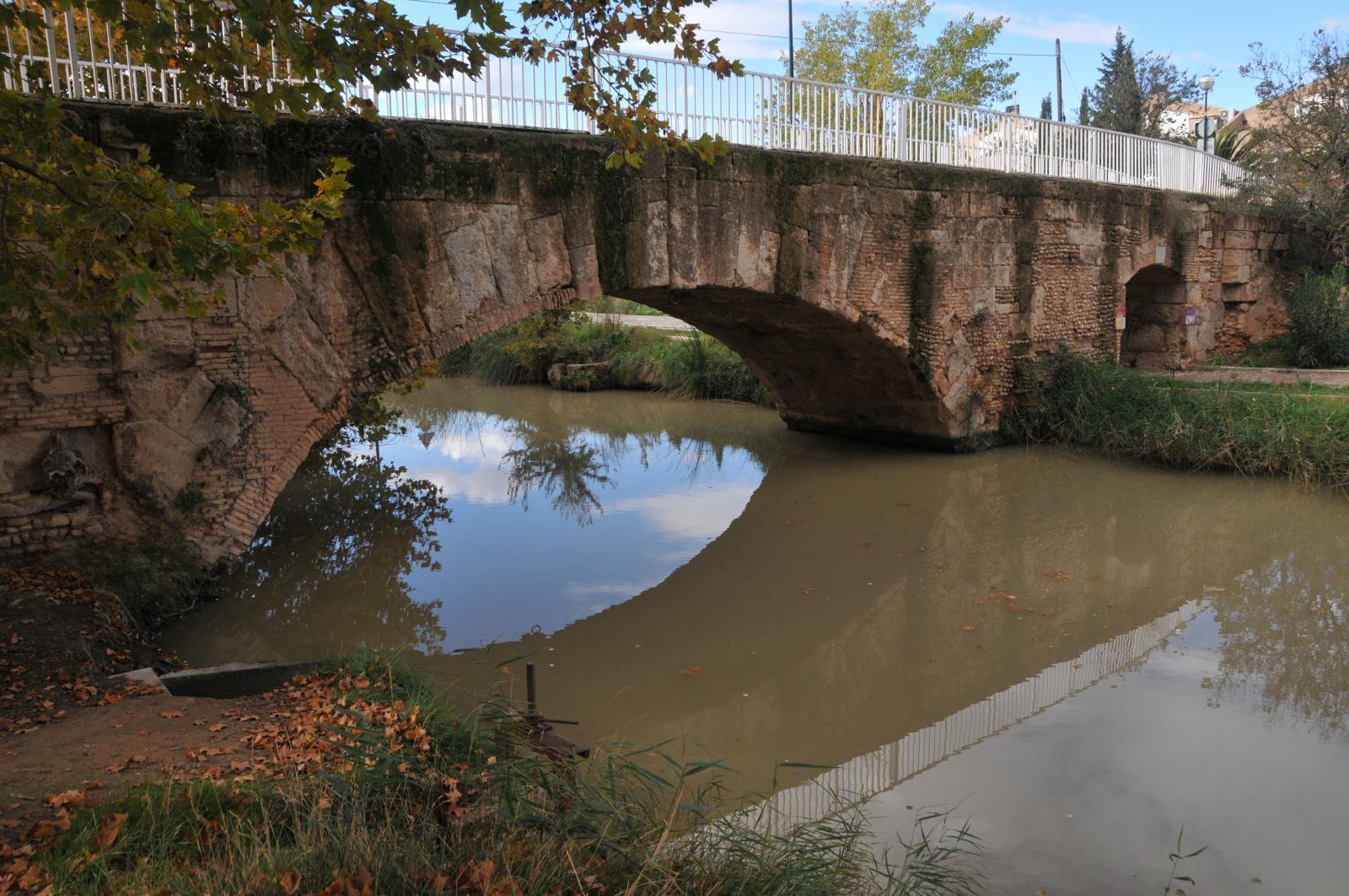
Imperial Canal (2012)
City Council of Zaragoza, retrieved 08/15/2018
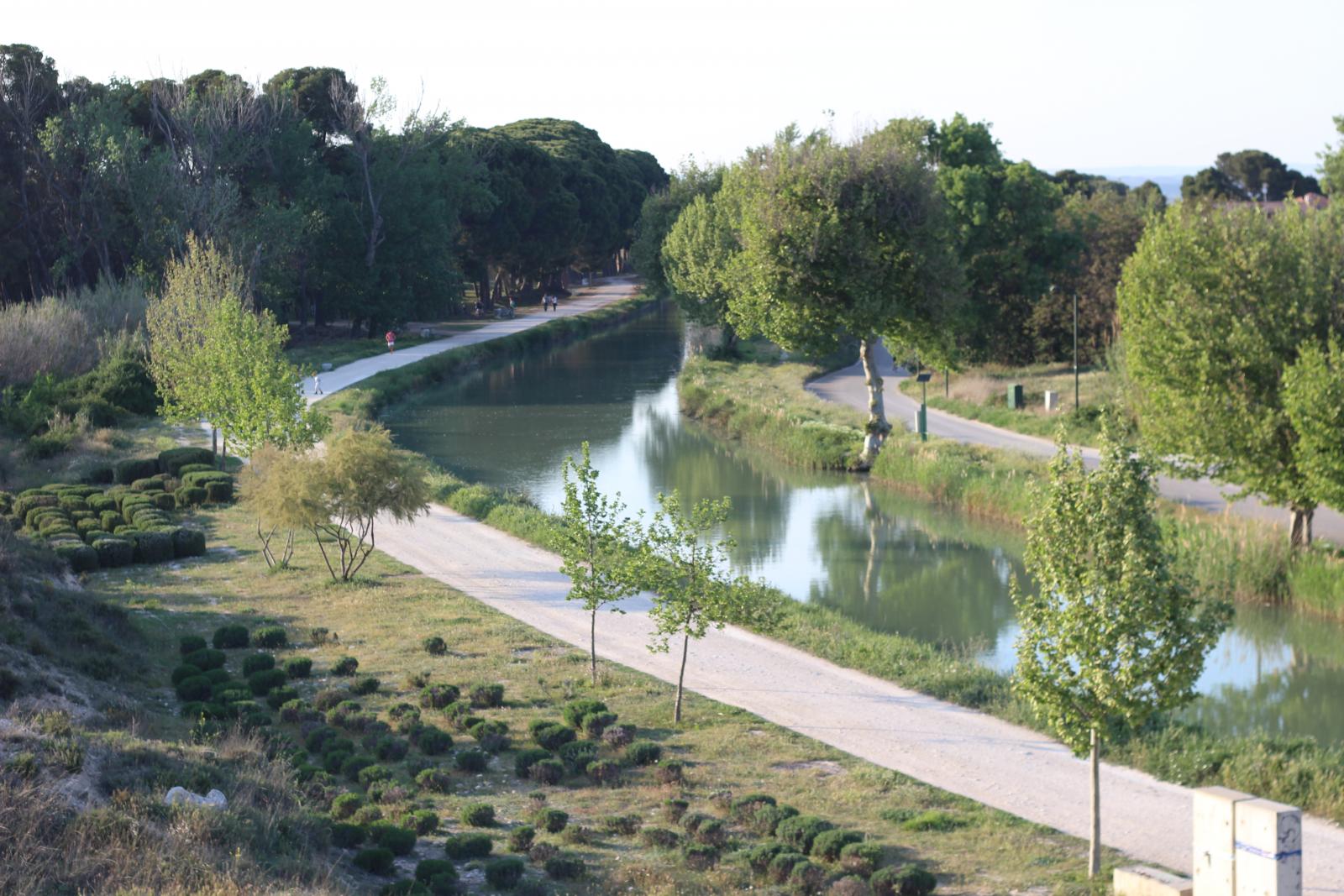
Imperial Canal (2017)
City Council of Zaragoza, retrieved 08/15/2018