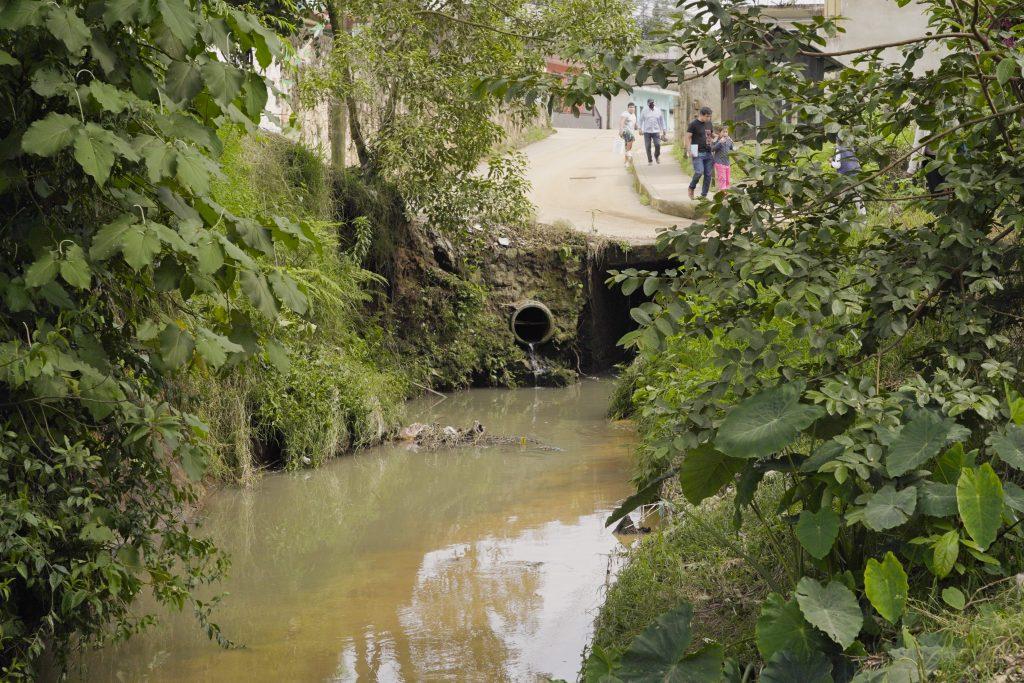
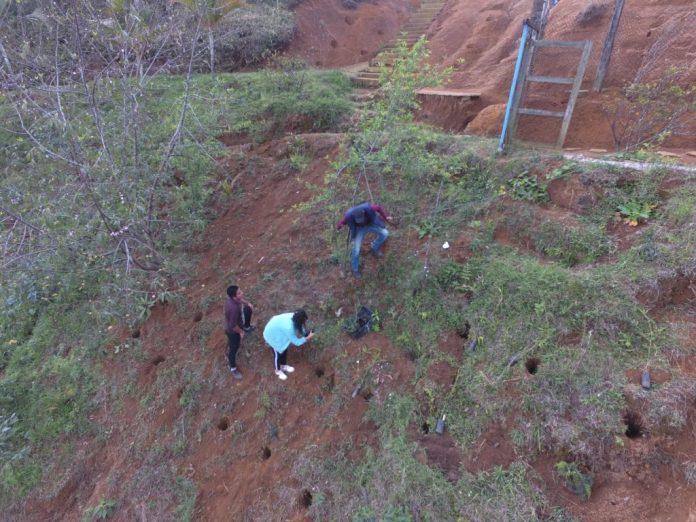
Xalapa is located beneath towering volcanic peaks in the Sierra Madre Oriental, and the city is crossed by at least five minor streams, seven rivers, and it has four man-made lakes and one lagoon in its territory. Its natural ecosystem represents “1% of the national forest area and hosts more than 12% of forest biodiversity” [1]. However, unplanned expansion has resulted in deforestation and the inadequate management of its waterways. In addition, forests, riparian corridors and wetlands have been cleared for agriculture and urban infrastructure. These disruptions to the environment have increased the frequency and intensity of flooding in the city [2]. To meet the environmental challenges, the United Nations Environment Programme (UNEP) and Mexico's Secretariat of Environment and Natural Resources-SEMARNAT launched an initiative as part of UNEP's multi-city CityAdapt Project, backed by the Global Environment Facility (GEF) [3]. The project focuses on four interventions to improve resilience to climate change through NbS: 1) riparian restoration along the Papas urban river; 2) ecological restoration of the Estropajo Hill; 3) installation of rainwater systems within the most vulnerable areas in Xalapa; and 4) implementation of an artificial wetland at schools [2,4].
Overview
Nature-based solution
- Grey infrastructure featuring greens
- Blue infrastructure
- Riverbank/Lakeside greens
- Parks and urban forests
- Large urban parks or forests
- Rivers/streams/canals/estuaries
- Green areas for water management
- Sustainable urban drainage systems
Key challenges
- Climate action for adaptation, resilience and mitigation (SDG 13)
- Climate change adaptation
- Water management (SDG 6)
- Flood protection
- Stormwater and rainfall management and storage
- Improvements to water quality
- Green space, habitats and biodiversity (SDG 15)
- Habitat and biodiversity restoration
- Green space creation and/or management
- Environmental quality
- Soil quality improvement
Focus
Project objectives
Implementation activities
Climate-focused activities
Climate change adaptation:
- Implement measures that prevent/manage desertification, soil erosion and landslides
- Implement solutions to capture/store water to increase its availability and prevent shortages from droughts
- Restore wetlands and/or coastal ecosystems to dissipate the effects of flooding and/or storms
- Implement sustainable urban drainage infrastructure (e.g. to make space for water)
- Renaturalization of rivers and other water bodies
Biodiversity conservation or restoration-focused activities
Biodiversity restoration:
- Rehabilitate and restore damaged or destroyed ecosystems
- Restore ecological connectivity
- Public engagement
Main beneficiaries
- Local government/Municipality
- Public sector institution (e.g. school or hospital)
- Non-government organisation/Civil Society
- Citizens or community groups
- Food producers and cultivators (i.e. farmers, gardeners)
Governance
Management set-up
- Co-governance with government and non-government actors
Type of initiating organisation
- Local government/municipality
- Non-government organisation/civil society
- Researchers/university
Participatory approaches/ community involvement
- Taskforce groups
- Consultation (e.g. workshop, surveys, community meetings, town halls)
- Joint implementation (e.g. tree planting)
Details on the roles of the organisations involved in the project
Project implemented in response to ...
Financing
Total cost
Source(s) of funding
- Public local authority budget
- Funds provided by non-governmental organization (NGO)
Type of funding
- Earmarked public budget
- Donations
Non-financial contribution
Impacts and Monitoring
Environmental impacts
- Climate change
- Strengthened capacity to address climate hazards/natural disasters
- Environmental quality
- Improved soil quality
- Water management and blue areas
- Increased protection against flooding
- Improved stormwater management
- Reduced risk of damages by drought
- Green space and habitat
- Increased green space area
- Increased conservation or restoration of ecosystems
- Reduced biodiversity loss
- Increased ecological connectivity across regeneration sites and scales
Economic impacts
- Unknown
Socio-cultural impacts
- Education
- Increased support for education and scientific research
- Increased knowledge of locals about local nature
- Increased awareness of NBS and their benefits
Type of reported impacts
Presence of formal monitoring system
Presence of indicators used in reporting
Presence of monitoring/ evaluation reports
Availability of a web-based monitoring tool
References
2. Global Environment Facility. 2021. Building Climate Resilience of Urban Systems through Ecosystem-based Adaptation (EbA) in Latin America and the Caribbean. Available at:Source link [Accessed 4 October 2021].
3. UNEP. 2019. Banking on nature: a Mexican city adapts to climate change. Available at:Source link and Source link [Accessed 23 September 2021].
4. MÁSNOTICIAS. 2021. Tecnológico Superior de Xalapa cuenta con sistema de humedales para saneamiento de aguas residuales | MÁSNOTICIAS. [online] Available at: Source link [Accessed 5 October 2021].
5. Espejodelpoder. 2021. Xalapeños cuidan arroyo Papas-Carneros | EspejodelPoder. Available at: Source link [Accessed 12 October 2021].