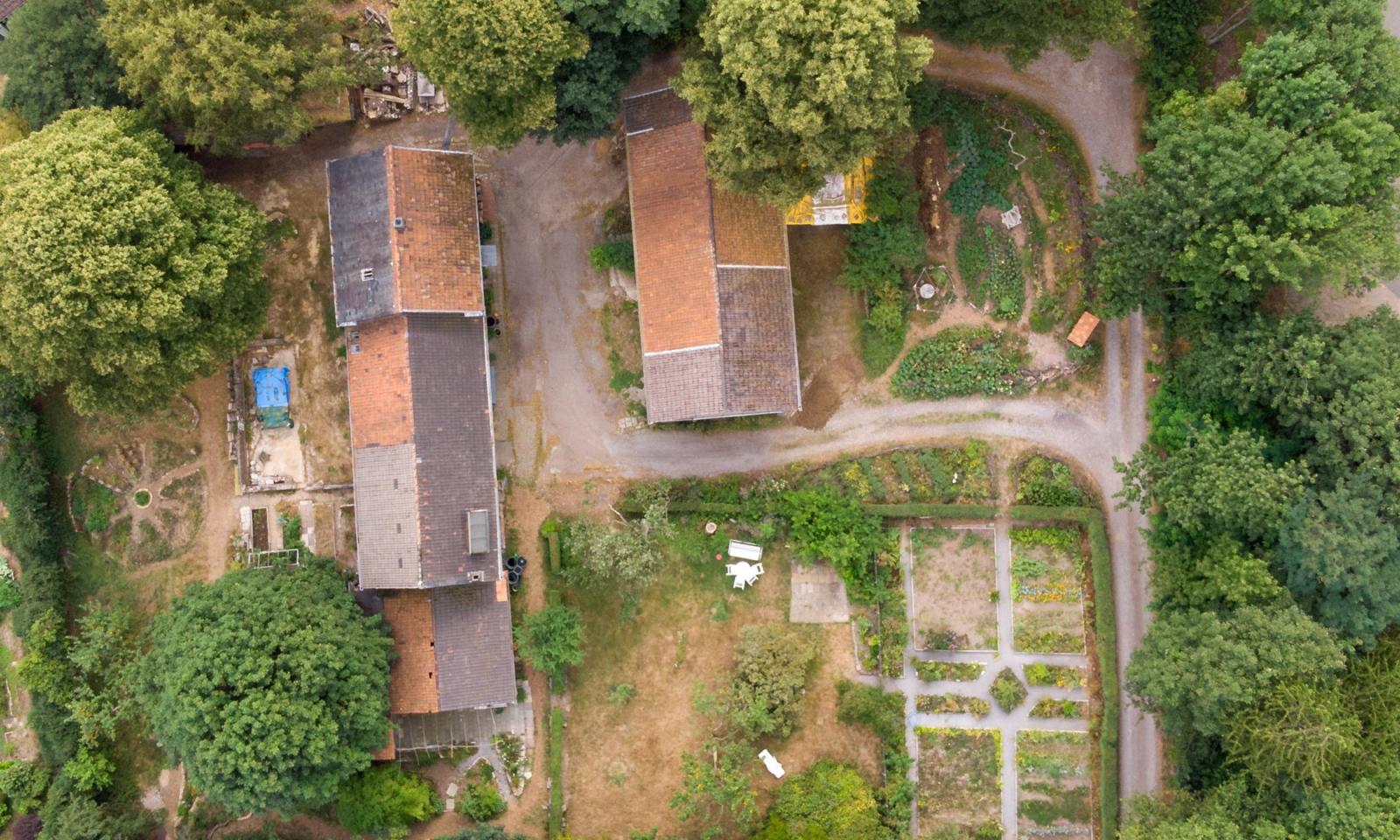
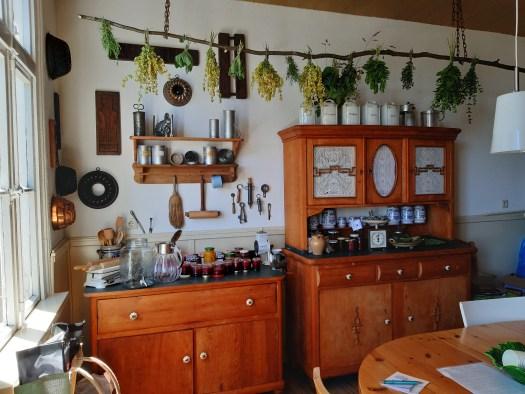
The civil society association "Permaculture vorm Eichholz" has made it their agenda to turn a since 2016 abandoned farmhouse into an experience-based, educational, co-design space around the concept of permaculture which is an ecologically inspired design concept for creating resilient and durable agricultural areas while maintaining the diversity of cultural and natural habitats. The farm, which was established in 2017, promotes alternative cultivation methods and energy concepts via seminars and workshops and constitutes an experimental lab for interested citizens who can implement their own ideas or even take over responsibility for parts of the farm they develop and cultivate themselves (Ref. 1, 2, 3). The leaders of the project also plan to implement a sustainable energy concept, with the goal of making the farm self-sufficient in it’s energy consumption by producing renewable energies in a variety of ways. (Ref. 9)
Overview
Nature-based solution
- Community gardens and allotments
- Allotments
Key challenges
- Climate action for adaptation, resilience and mitigation (SDG 13)
- Climate change adaptation
- Environmental quality
- Waste management
- Cultural heritage and cultural diversity
- Protection of historic and cultural landscape/infrastructure
- Preservation of historic traditions
- Health and well-being (SDG 3)
- Creation of opportunities for recreation
- Inclusive and effective governance (SDG 16)
- Inclusive governance
- Effective management
- Social justice, cohesion and equity (SDG 10)
- Social cohesion
- Social justice and equity
- Social interaction
- Environmental education
- Environmental and climate justice
- Economic development and employment (SDG 8)
- Economic development: agriculture
- Sustainable consumption and production (SDG 12)
- Sustainable consumption
- Sustainable production
Focus
Project objectives
Implementation activities
Climate-focused activities
Climate change adaptation:
- Increase the use of climate-resilient plant species (resistant to drought, fire, and pests)
Main beneficiaries
- Citizens or community groups
- Food producers and cultivators (i.e. farmers, gardeners)
Governance
Management set-up
- Led by non-government actors
Type of initiating organisation
- Non-government organisation/civil society
Participatory approaches/ community involvement
- Dissemination of information and education
- Joint implementation (e.g. tree planting)
- Co-management/Joint management
Details on the roles of the organisations involved in the project
Project implemented in response to ...
Financing
Total cost
Source(s) of funding
- Funds provided by non-governmental organization (NGO)
- Other
Type of funding
- Direct funding (grants, subsidies, or self-financed projects by private entities)
- Other
Non-financial contribution
- Provision of labour
- Citizens (e.g. volunteering)
Impacts and Monitoring
Environmental impacts
- Climate change
- Energy efficiency improvements
- Environmental quality
- Improved waste management
- Green space and habitat
- Increased spread of native/heirloom/open-pollinated seed
Economic impacts
- Unknown
Socio-cultural impacts
- Social justice and cohesion
- Increased opportunities for social interaction
- Increased sustainability of agriculture practices
- Health and wellbeing
- Gain in activities for recreation and exercise
- Cultural heritage and sense of place
- Protection of natural heritage
- Education
- Increased support for education and scientific research
- Other
Type of reported impacts
Presence of formal monitoring system
Presence of indicators used in reporting
Presence of monitoring/ evaluation reports
Availability of a web-based monitoring tool
References
2. Boller, A. (2016) ‘Auf dem Bauernhof geht es zurück in die Zukunft. Der Verein „Permakulturhof Vorm Eichholz“ hat sich beim Wettbewerb „W-Impuls 2017“ Source link, Westdeutsche Zeitung, 21 December. Available at: Source link [Accessed: 22 Sept. 2020]
3. Urban Gardening Netzwerk NRW and die Urbanisten e.V. (2016) Permakulturhof Vorm Eichholz. Available at: Source link 22 Sept. 2020]
4. Rat für Nachhaltige Entwicklung and Deutsche Gesellschaft für Internationale Zusammenarbeit (GIZ) (2017) #tatenfuermorgen. Permakulturhof Vorm Eichholz in Wuppertal. [Weblink unavailable in 2020]
5. Bergische Gartenarche (no date) Bauerngarten des Permakulturhofs Vorm Eichholz. [Weblink unavailable in 2020]
6. Wuppertalaktiv (2017) wuppertalaktiv! hat den W-Impuls 2017! Available at: Source link
7. Wuppertalaktiv (2017a) W-Impuls 2017, eingereichte Projekte. [Weblink unavailable in 2020]
8. Stadt Wuppertal Stabsstelle Bürgerbeteiligung (2017) Bürgerbudget Wuppertal - 150.000 Euro für deine Ideen! [Weblink unavailable in 2020].
9. Permakulturhof Vorm Eichholz. (nd.) Die Energiewende auf dem Hof. [online]. Available at: Source link [Accessed: 22 Sept. 2020].
10. Permakulturhof Vorm Eichholz. (2020). Kategorie: Termine. [online]. Available at: Source link [Accessed: 22 Sept. 2020].