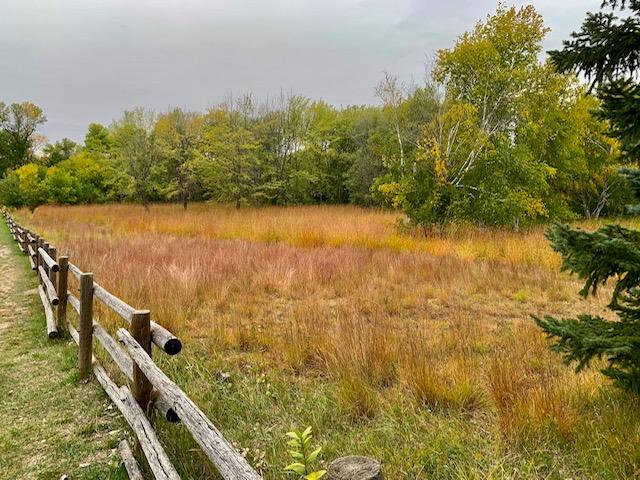
Henteleff Park is a 'passive park' located along the banks of the Red River and Normand Creek in Winnipeg where the rural character of a landscape that nurtured early Métis culture, Winnipeg’s budding market garden industry and the Henteleff family has been reserved (2). In the 1980s and '90s after being the city's tree nursery it was up for real estate development when "a group of volunteers from the nearby residential area, led by the Henteleff family, presented a convincing plan that showed the value and potential of the site as a public park. As a result of successful lobby efforts, the land was rezoned as a park in 2002 and named Henteleff Park after the original owners of the farm" (1 p21). With its grasslands, riparian forests, Red River banks and the Normand Creek, the Park is home to a diverse plant and wildlife, providing refuge for songbirds, a spawning area for fishes and a serene sanctuary for community residents to enjoy a quiet respite from the bustle of the city life all around (2).

Overview
Nature-based solution
- Parks and urban forests
- Large urban parks or forests
- Blue infrastructure
- Rivers/streams/canals/estuaries
Key challenges
- Green space, habitats and biodiversity (SDG 15)
- Habitat and biodiversity restoration
- Habitat and biodiversity conservation
- Green space creation and/or management
- Inclusive and effective governance (SDG 16)
- Effective management
- Health and well-being (SDG 3)
- Creation of opportunities for recreation
- Cultural heritage and cultural diversity
- Preservation of natural heritage
- Protection of historic and cultural landscape/infrastructure
Focus
Project objectives
Implementation activities
Biodiversity conservation or restoration-focused activities
Biodiversity conservation:
- Protect and enhance urban habitats
- Preserve and strengthen existing habitats and ecosystems
- Promote environmentally-sound development in and around protected areas
- Reduce negative impacts and avoid the alteration/damage of ecosystem
Biodiversity restoration:
- Rehabilitate and restore damaged or destroyed ecosystems
- Public engagement
Main beneficiaries
- Citizens or community groups
Governance
Management set-up
- Led by non-government actors
Type of initiating organisation
- Citizens or community group
Participatory approaches/ community involvement
- Crowd-sourcing/Crowd-funding/Participatory budget
- Co-management/Joint management
- Citizen oversight (e.g. boards, advisory)
Details on the roles of the organisations involved in the project
Project implemented in response to ...
Financing
Total cost
Source(s) of funding
- Public national budget
- Public regional budget
- Funds provided by non-governmental organization (NGO)
- Crowdfunding
Type of funding
- Direct funding (grants, subsidies, or self-financed projects by private entities)
- Donations
Non-financial contribution
- Provision of labour
- Provision of expertise
- Citizens (e.g. volunteering)
Impacts and Monitoring
Environmental impacts
- Water management and blue areas
- Improved water quality
- Enhanced protection and restoration of freshwater ecosystems
- Green space and habitat
- Promotion of naturalistic styles of landscape design for urban development
- Increased number of protection areas
- Increased green space area
- Increased conservation or restoration of ecosystems
- Reduced biodiversity loss
- Increased spread of native/heirloom/open-pollinated seed
Economic impacts
- Unknown
Socio-cultural impacts
- Social justice and cohesion
- Improved access to urban green space
- Increased involvement of locals in the management of green spaces
- Health and wellbeing
- Gain in activities for recreation and exercise
- Cultural heritage and sense of place
- Promotion of cultural diversity
- Protection of natural heritage
- Protection of historic and cultural landscape / infrastructure
- Education
- Increased knowledge of locals about local nature
- Increased awareness of NBS and their benefits
Type of reported impacts
Presence of formal monitoring system
Presence of indicators used in reporting
Presence of monitoring/ evaluation reports
Availability of a web-based monitoring tool
References
2) Henteleff Park Foundation. (n.a.). HPF Achievements. Henteleff Park Foundation. Accessed on 5th May, 2021. Source link