

Last updated: April 2022
“The Blooming Meadows project aimed to create a network of wildflower meadows across the West Yorkshire landscape [5 districts, including sites managed by Wakefield Council]. In the UK grasslands are one of our most vital habitats, supporting one fifth of all species listed as 'of conservation concern' (known as priority species) - the most supported by any habitat. Sadly, the UK has lost 97% of its wildlife-rich grasslands since the 1940s. Yorkshire Wild Trust worked to create blooming meadows which support some of the wildlife mentioned above across West Yorkshire.” (Ref. 1, 2)
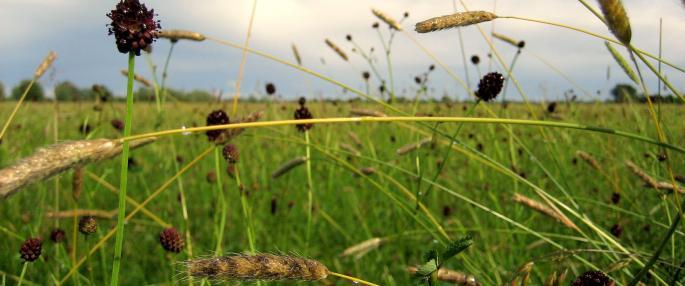
Meadows Warren C (Ref. 2)
Overview
Nature-based solution
- Parks and urban forests
- Other
Key challenges
- Green space, habitats and biodiversity (SDG 15)
- Habitat and biodiversity restoration
- Habitat and biodiversity conservation
- Green space creation and/or management
- Cultural heritage and cultural diversity
- Preservation of natural heritage
Focus
Creation of new green areas, Ecological restoration of ecosystems, Protection of natural ecosystems, Monitoring and maintenance of habitats and/or biodiversity
Project objectives
The project “will reverse the decline of species-rich grassland in West Yorkshire, creating a better and more joined-up habitat for wildlife and for the enjoyment of future generations”. “The YWT will purchase specialist grassland management equipment for the West Yorkshire Lowland Grassland Group, to manage a number of sites across the 5 districts.” The project will “work across 10 initial sites to create 35 hectares and restore 37 hectares of species-rich grassland. The sites include YWT’s flagship sustainable farming and the other 9 are sites managed by Calderdale, Kirklees and Wakefield councils. The project will ultimately have a wider impact, since it will provide specialist grassland management equipment for use across West Yorkshire, as part of a ‘machinery ring’. YWT staff will provide training for the council staff and others in the best use of the equipment.” Further, the project will help to “bring back the flowers, bees and other wildlife to the meadows". (Ref. 2)
Implementation activities
The project “will reverse the decline of species rich grassland in West Yorkshire, creating a better and more joined up habitat for wildlife and for the enjoyment of future generations”. “The YWT will purchase specialist grassland management equipment for the West Yorkshire Lowland Grassland Group, to manage a number of sites across the 5 districts.” The project will “work across 10 initial sites to create 35 hectares and restore 37 hectares of species rich grassland. The sites include YWT’s flagship sustainable farming and the other 9 are sites managed by Calderdale, Kirklees and Wakefield councils. The project will ultimately have a wider impact, since it will provide specialist grassland management equipment for use across West Yorkshire, as part of a ‘machinery ring’. YWT staff will provide training for the council staff and others in the best use of the equipment.” Further, the project will help to “bring back the flowers, bees and other wildlife to the meadows". (Ref. 2)
“A machinery ring has been set up at Stirley Community Farm that comprises of specialist equipment, which will be available on loan to local landowners, as well as available to staff at the farm. This equipment was used to clear scrub and to create and maintain wildflower meadows.”
“As part of the project Yorkshire Wildlife Trust restored and created 25 hectares of wildflower meadows on our Stirley Community Farm near Huddersfield. This now supports much wildlife, including birds, mammals and insects.”
“Green hay was collected from wildflower donor sites and spread on recipient sites. In existing meadows a late hay cutting allowed plants to set seed and wildflowers to establish, whilst grazing now maintains the meadows once they are established.”
(Ref. 1)
Biodiversity conservation or restoration-focused activities
Biodiversity conservation:
- Protect and enhance urban habitats
- Preserve and strengthen existing habitats and ecosystems
- Promote environmentally-sound development in and around protected areas
- Create new habitats
- Preserve and strengthen habitat connectivity
- Reduce negative impacts and avoid the alteration/damage of ecosystem
- Protect species
- Undertake specific measures to protect species
- Undertake specific measures to protect native species
- Undertake specific measures to protect endangered species
- Undertake specific measures to protect valued species
Biodiversity restoration:
- Restore species (native, endangered, or unspecified)
- Restore valued species
- Restore endangered species
- Restore ecological connectivity
Main beneficiaries
- Local government/Municipality
- Citizens or community groups
Governance
Management set-up
- Co-governance with government and non-government actors
Type of initiating organisation
- Regional government
- Local government/municipality
- Private foundation/trust
Participatory approaches/ community involvement
- Co-planning (e.g. stakeholder workshops, focus groups, participatory mapping)
- Dissemination of information and education
- Co-management/Joint management
Details on the roles of the organisations involved in the project
The project is run by Yorkshire Wildlife Trust (YWT) in partnership with Wakefield, Calderdale and Kirklees councils. (Ref. 1, 3) . Funding from SITA Trust. (Ref. 1, 2)
Project implemented in response to ...
... an EU policy or strategy?
Unknown
... a national policy or strategy?
Unknown
... a local policy or strategy?
Yes
(It is mentioned, in the local biodiversity action plan (BAP) "that grasslands has declined rapidly since the 1950s" and that current local action includes "hay meadow and grassland management by e.g. the Council". (Ref. 4) )
Financing
Total cost
€50,000 - €100,000
Source(s) of funding
- Funds provided by non-governmental organization (NGO)
Type of funding
- Other
Non-financial contribution
Unknown
Impacts and Monitoring
Environmental impacts
- Green space and habitat
- Increased green space area
- Increased conservation or restoration of ecosystems
- Increased ecological connectivity across regeneration sites and scales
- Reduced biodiversity loss
Economic impacts
- Unknown
Socio-cultural impacts
- Health and wellbeing
- Improved physical health
- Gain in activities for recreation and exercise
- Cultural heritage and sense of place
- Improvement in people’s connection to nature
- Education
- Increased knowledge of locals about local nature
- Other
Type of reported impacts
Expected impacts, Achieved impacts
Presence of formal monitoring system
Yes
Presence of indicators used in reporting
Yes
Presence of monitoring/ evaluation reports
Yes
Availability of a web-based monitoring tool
No
References
Ref. 1. Yorkshire Wildlife Trust (n.d.) Blooming Meadows. Information obtained: 2017-07-13. [Website unavailable in 2020]
Ref. 2. Yorkshire Wildlife Trust (2012) Blooming meadows in West Yorkshire. News. Information obtained: 2017-07-13. [Website unavailable in 2020]
Ref. 3. The Huddersfield Daily Examiner (2012) It’s Our World: Yorkshire Wildlife Trust to restore Huddersfield meadows. Information obtained: 2017-07-13. Source: Source link [Accessed 29 September 2020]
Ref. 4. Wakefield Council (n.d.) Wakefield Local Biodiversity Action Plan. Wakefield District Biodiversity Group. Source: Source link [Accessed 29 September 2020]
Ref. 5. Wakefield Council (2010) Wakefield green infrastructure plan. Source: Source link [Accessed 29 September 2020]
Ref. 6. The Wildlife Trusts (2009) A living landscape. Yorkshire and the Humber. [Website unavailable 2020]
Ref. 7. Yorkshire Wildlife Trust (2012) Latest News. October 2012. Information obtained: 2017-07-13. [Website unavailable 2020]
Ref. 8. Yorkshire Wildlife Trust (n.d.) Stirley Community Farm. Information obtained: 2017-07-13. Source: Source link [Accessed 29 September 2020]
Ref. 9. ENTRUST (n.d.) About the Landfill Communities Fund. LCF. Information obtained: 2017-07-28. Source: Source link [Accessed 29 September 2020]
Ref. 2. Yorkshire Wildlife Trust (2012) Blooming meadows in West Yorkshire. News. Information obtained: 2017-07-13. [Website unavailable in 2020]
Ref. 3. The Huddersfield Daily Examiner (2012) It’s Our World: Yorkshire Wildlife Trust to restore Huddersfield meadows. Information obtained: 2017-07-13. Source: Source link [Accessed 29 September 2020]
Ref. 4. Wakefield Council (n.d.) Wakefield Local Biodiversity Action Plan. Wakefield District Biodiversity Group. Source: Source link [Accessed 29 September 2020]
Ref. 5. Wakefield Council (2010) Wakefield green infrastructure plan. Source: Source link [Accessed 29 September 2020]
Ref. 6. The Wildlife Trusts (2009) A living landscape. Yorkshire and the Humber. [Website unavailable 2020]
Ref. 7. Yorkshire Wildlife Trust (2012) Latest News. October 2012. Information obtained: 2017-07-13. [Website unavailable 2020]
Ref. 8. Yorkshire Wildlife Trust (n.d.) Stirley Community Farm. Information obtained: 2017-07-13. Source: Source link [Accessed 29 September 2020]
Ref. 9. ENTRUST (n.d.) About the Landfill Communities Fund. LCF. Information obtained: 2017-07-28. Source: Source link [Accessed 29 September 2020]