

Last updated: October 2021
San Giuliano Park, inaugurated in May 2004, was designed by Arch. Antonio Di Mambro of the Comunitas Group. The first two lots have been implemented for a total area of about 74 hectares, including green areas and recreational infrastructure. The creation of this park is one of the biggest re-qualification initiatives in the national territory. With the implementation of the park, the area of Punta San Giuliano, used for years as a landfill of industrial and urban waste, definitively loses its barrier function between Mestre and its lagoon and returns to the natural state of the ancient city (1).
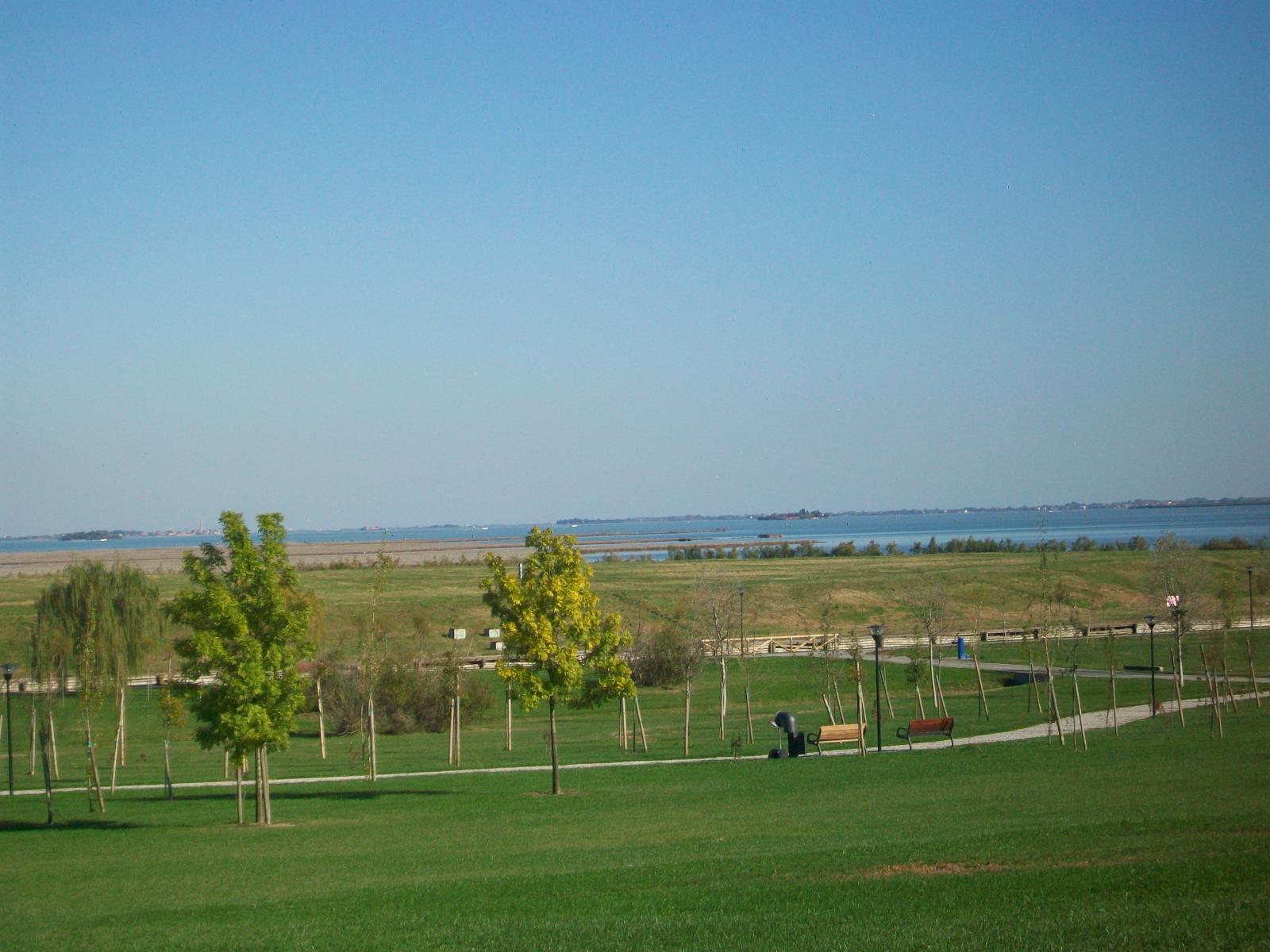
St. Julian of Mestre Park (2010)
Alessio Boato, retrieved 08/13/2018
Overview
Nature-based solution
- Parks and urban forests
- Large urban parks or forests
Key challenges
- Green space, habitats and biodiversity (SDG 15)
- Habitat and biodiversity restoration
- Green space creation and/or management
- Regeneration, land-use and urban development
- Promote natural styles of landscape design for urban development
- Inclusive and effective governance (SDG 16)
- Effective management
- Health and well-being (SDG 3)
- Enabling opportunities for physical activity
- Improving physical health
- Creation of opportunities for recreation
- Cultural heritage and cultural diversity
- Protection of historic and cultural landscape/infrastructure
Focus
Creation of new green areas, Ecological restoration of ecosystems, Monitoring and maintenance of habitats and/or biodiversity
Project objectives
1. Promote a culture of sustainability through public participation in decision-making processes;
2. Preserve and qualify existing landscaping and naturalistic assets;
3. Encourage relationships between subjects (2).
Implementation activities
The Guide Plan completed in '94 defined a wide area of intervention, divided into several project areas: Forte Marghera, Canale Salso, Osellino Canal, Passo Campalto, the lagoon front of Campalto, Punta San Giuliano, the island of sculptures and 'Area Pili. Of the park complex set up in the Guide Plan, the City Administration has subsequently set the implementation priorities in relation to political-administrative urgencies, financial availability and ownership of the areas. On Friday 7 November 2003, the President of the European Commission, Romano Prodi, and the Mayor of Venice, Paolo Costa, presented the San Giuliano Park to the citizens at the North Entrance of the Park. For three days the Park was open to citizens with entertainment activities and initiatives as well as the activation of a train for a circular route. On 8 May 2004, the San Giuliano Park was officially inaugurated with the cutting of the ribbon by the Mayor Paolo Costa together with the Architect Antonio Di Mambro and the President of the Institution Il Parco Giovanni Caprioglio. In 2010, three pergolas, new toilets and two changing rooms were built. (1).
Biodiversity conservation or restoration-focused activities
Biodiversity restoration:
- Rehabilitate and restore damaged or destroyed ecosystems
- Restore species (native, endangered, or unspecified)
Main beneficiaries
- Citizens or community groups
Governance
Management set-up
- Government-led
Type of initiating organisation
- Local government/municipality
Participatory approaches/ community involvement
- Unknown
Details on the roles of the organisations involved in the project
In 1991, arch. Antonio Di Mambro, head of the Comunitas Inc. group, winner of the international urban design competition, has been commissioned to design the "Leisure System in the area of San Giuliano Forte Marghera and Cavergnaghi" whose first stage consisted of In the drafting of the Guide Plan (1).
Project implemented in response to ...
... an EU policy or strategy?
Unknown
... a national policy or strategy?
Unknown
... a local policy or strategy?
Yes
(I could see the rebonification of the area was part of the Municipal Plan for the Management of Green Areas in the city and the Municipal Plan for the Protection and Promotion of Green Areas (4) presented to obtain EU funding (1 and 3). )
Financing
Total cost
Unknown
Source(s) of funding
- EU funds
- Public local authority budget
Type of funding
- Earmarked public budget
- Direct funding (grants, subsidies, or self-financed projects by private entities)
Non-financial contribution
Type of non-financial contribution
- Provision of land
Who provided the non-financial contribution?
- Public authorities (e.g. land, utility services)
Impacts and Monitoring
Environmental impacts
- Green space and habitat
- Promotion of naturalistic styles of landscape design for urban development
- Increased number of protection areas
- Increased green space area
- Increased conservation or restoration of ecosystems
- Increase in protected green space areas
- Reduced biodiversity loss
- Increased number of species present
- Restoration of derelict areas
Economic impacts
- Unknown
Socio-cultural impacts
- Social justice and cohesion
- Improved access to urban green space
- Increased opportunities for social interaction
- Health and wellbeing
- Gain in activities for recreation and exercise
- Cultural heritage and sense of place
- Protection of historic and cultural landscape / infrastructure
- Education
- Increased support for education and scientific research
- Increased awareness of NBS and their benefits
Type of reported impacts
Achieved impacts
Presence of formal monitoring system
Yes
Presence of indicators used in reporting
No evidence in public records
Presence of monitoring/ evaluation reports
Yes
Availability of a web-based monitoring tool
No evidence in public records
References
1. Forest and the Large Park Institution (no date) The Project. Instituzione Bosco e Grandi Parchi. Available at: Source link. Accessed on 1st October, 2020.
2. ISPRA (no date) Municipal regulation for the protection and promotion of greenery in the city - VENICE. Available at: Source link. Accessed on 1st October, 2020.
3. Municipal Plan for Management of Green Areas in the City: attached
4. Municipal Plan for the Protection and Promotion of Green Areas: attached
5. Project Costs: Source link [not accessible due to privacy issues as of September, 2020]
6. San Giuliano Park Wikipedia page. Available at: Source link. Accessed on 1st October, 2020.
2. ISPRA (no date) Municipal regulation for the protection and promotion of greenery in the city - VENICE. Available at: Source link. Accessed on 1st October, 2020.
3. Municipal Plan for Management of Green Areas in the City: attached
4. Municipal Plan for the Protection and Promotion of Green Areas: attached
5. Project Costs: Source link [not accessible due to privacy issues as of September, 2020]
6. San Giuliano Park Wikipedia page. Available at: Source link. Accessed on 1st October, 2020.
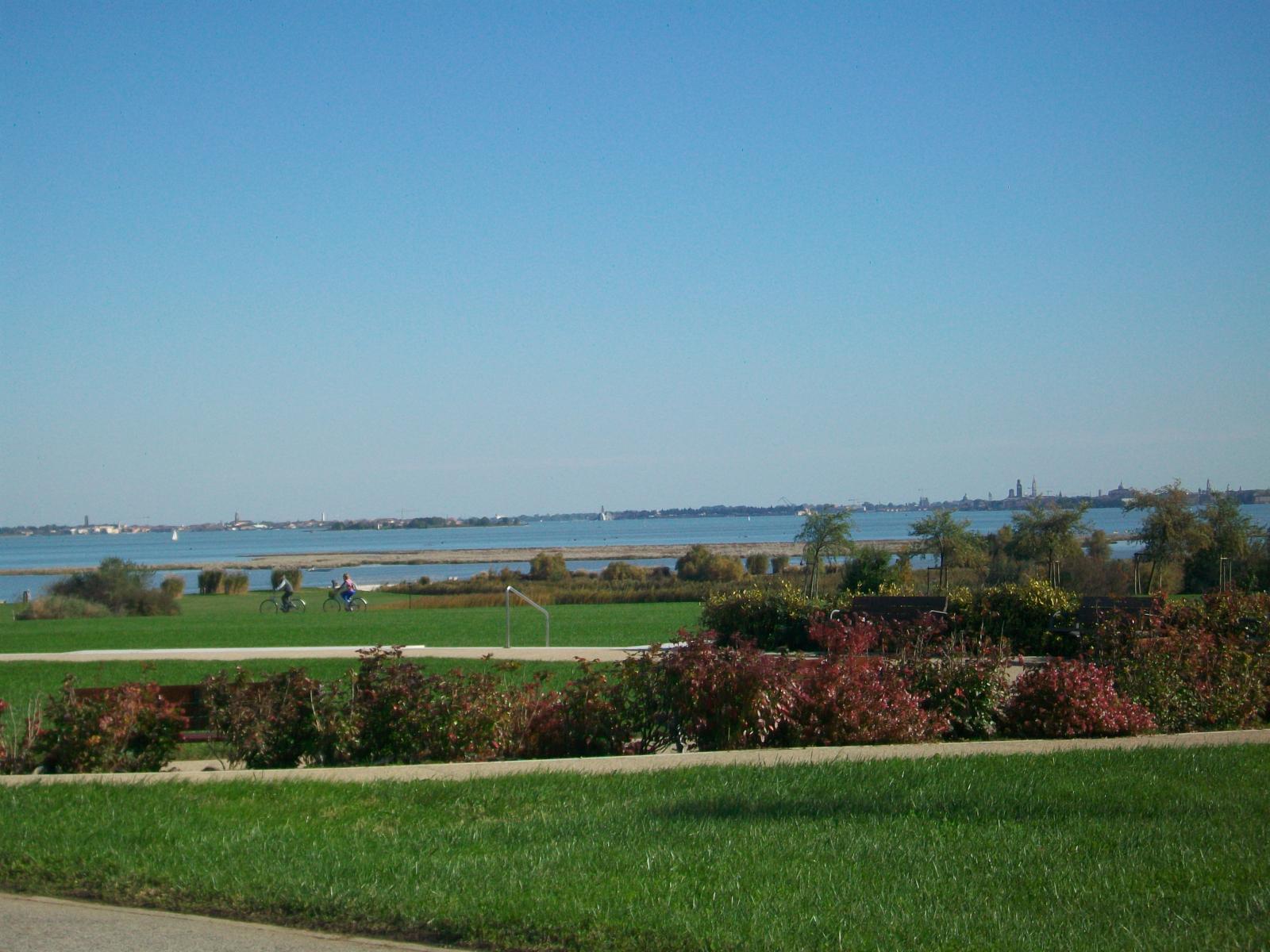
St. Julian of Mestre Park (2010)
Alessio Boato, retrieved 08/13/2018