

Last updated: October 2021
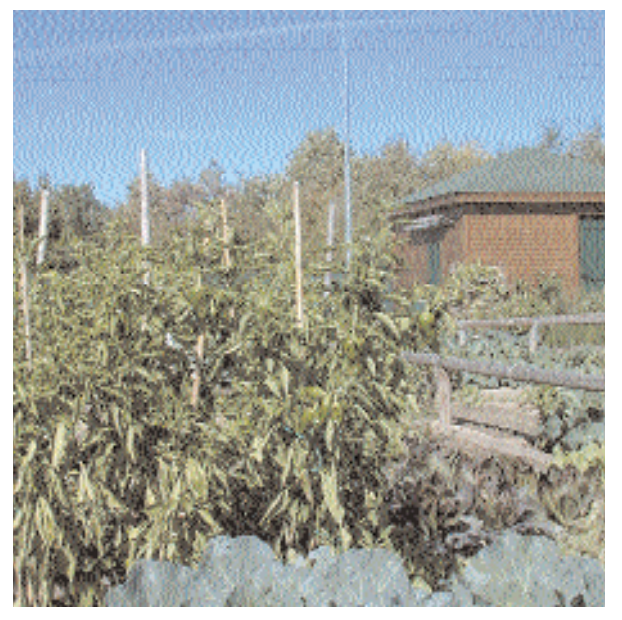
These gardens fulfil several purposes and have become more and more often a point of aggregation and leisure, of socialisation and recreation, didactic and cultural education. Two interventions were made and in 1991, where 36 and 48 ornamental plants were produced. Subsequently, the gardens were built in the PEEP area of Zelarino (in 1997), and in via Pertini (in 2002) and thanks to the environmental context and the available space, an element of novelty is introduced: the gathering area for communities to share environmental common values and activities. (2).
Municipal regulation for the protection and promotion of greenery in the city: Introductory Report (attached))
Municipality of Venice
Overview
Nature-based solution
- Community gardens and allotments
- Community gardens
Key challenges
- Green space, habitats and biodiversity (SDG 15)
- Green space creation and/or management
- Regeneration, land-use and urban development
- Conversion of former industrial areas
- Social justice, cohesion and equity (SDG 10)
- Environmental education
- Social interaction
- Health and well-being (SDG 3)
- Creation of opportunities for recreation
- Economic development and employment (SDG 8)
- Economic development: agriculture
- Sustainable consumption and production (SDG 12)
- Sustainable production
Focus
Creation of new green areas
Project objectives
The main goal was to re-qualify a derelict area by creating new green space where residents could meet both for cultural exchange and to grow their food locally (1).
Implementation activities
The idea was launched in 1979, a few years later 32 community gardens were created in Campalto and 16 gardens in Ca'Emiliani. In 1991 36+48 new community gardens were created in the Albanese Park following the example of the first ones. In 1997 and 2002 new gardens were created using a different scheme from the model used for the precedents. Thanks to the environmental context and the available space an element of absolute novelty, but fundamental importance was introduced: the gathering area for communities to share environmental common values and activities (2).
Main beneficiaries
- Citizens or community groups
Governance
Management set-up
- Government-led
Type of initiating organisation
- Local government/municipality
Participatory approaches/ community involvement
- Dissemination of information and education
- Citizen oversight (e.g. boards, advisory)
- Citizen monitoring and review
Details on the roles of the organisations involved in the project
The initiative was taken by the municipal council of Venice. (1)
Project implemented in response to ...
... an EU policy or strategy?
Unknown
... a national policy or strategy?
Unknown
... a local policy or strategy?
Yes
(The community gardens are a result of a change in management of green areas and urban development of the Venice area, as the new Municipality Regulatory Plan for the Protection and Promotion of Green Areas in the City (attachment 2) report.)
Financing
Total cost
Unknown
Source(s) of funding
- EU funds
- Public local authority budget
Type of funding
- Earmarked public budget
Non-financial contribution
Unknown
Impacts and Monitoring
Environmental impacts
- Environmental quality
- Improved soil quality
- Green space and habitat
- Increased green space area
- Increased conservation or restoration of ecosystems
- Restoration of derelict areas
Economic impacts
- Increase in agricultural production (for profit or not)
Socio-cultural impacts
- Social justice and cohesion
- Improved social cohesion
- Improved access to urban green space
- Increased opportunities for social interaction
- Increased involvement of locals in the management of green spaces
- Increased access to healthy/affordable food
- Increased sustainability of agriculture practices
- Health and wellbeing
- Improved physical health
- Improved mental health
- Gain in activities for recreation and exercise
- Cultural heritage and sense of place
- Improvement in people’s connection to nature
- Education
- Increased knowledge of locals about local nature
Type of reported impacts
Achieved impacts
Presence of formal monitoring system
Unknown
Presence of indicators used in reporting
No evidence in public records
Presence of monitoring/ evaluation reports
No evidence in public records
Availability of a web-based monitoring tool
No evidence in public records
References
1. ISPRA (no date). Regolamento comunale di tutela e promozione del verde in città - VENEZIA -. Available at: Source link. Accessed on 1st October, 2020.
2. Overview of different projects in the area of Venice, including the community gardens: attached.
2. Overview of different projects in the area of Venice, including the community gardens: attached.