

Last updated: October 2021
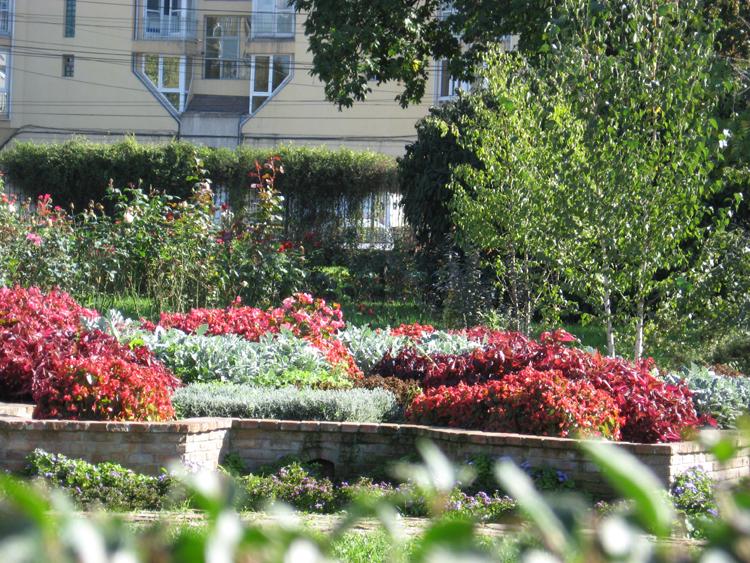
The Botanical Park is originally a garden which went through a modernization and rearrangement process in 2008. The park covers an area of 8.41 hectares and has a varied flora which is of Romania and also of various areas of the world which have a similar climate to the country. The purpose of the rearrangement was to maintain the area for scientific endeavours and to educate the public with respect to the importance of the environment. The municipality added this area to the 13th existing parks of Timisoara, which are part of the green belt of the city. (1)
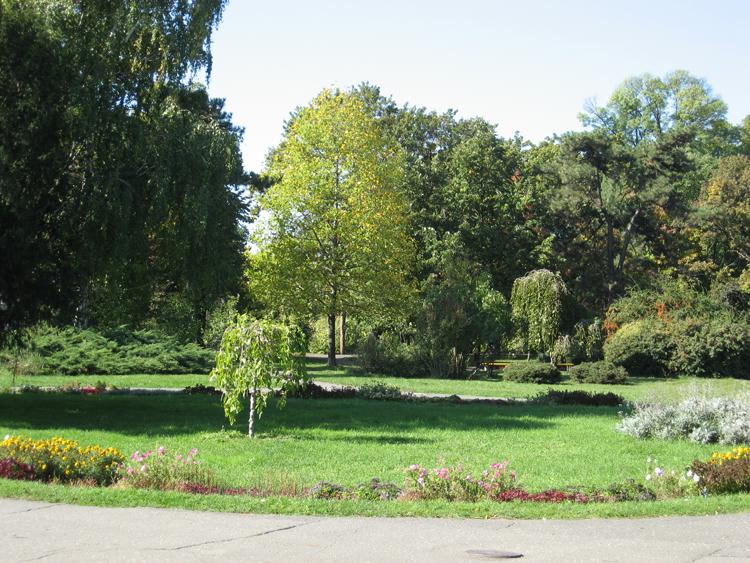
View of the botanical garden
https://www.dmmt.ro/index.php?meniuId=17&viewCat=563&viewItem=232
Overview
Nature-based solution
- Parks and urban forests
- Botanical gardens
- Green corridors and green belts
Key challenges
- Water management (SDG 6)
- Stormwater and rainfall management and storage
- Green space, habitats and biodiversity (SDG 15)
- Habitat and biodiversity conservation
- Green space creation and/or management
- Environmental quality
- Air quality improvement
- Health and well-being (SDG 3)
- Creation of opportunities for recreation
- Economic development and employment (SDG 8)
- Tourism support
- Cultural heritage and cultural diversity
- Preservation of natural heritage
- Protection of historic and cultural landscape/infrastructure
Focus
Creation of new green areas, Protection of natural ecosystems, Knowledge creation and awareness raising
Project objectives
1. To increase the number of city parks in order to remove the pollutants of the air (2);
2. To introduce new exotic and indigenous woody species for the creation of a richest dendrological collection (2);
3. To perform research on acclimatization, culture and selection of exotic wood species (1);
4. To introduce a performant irrigation system, to restore the alleys, outdoor furniture modernization;
5. To supervise the arrangement of a "tea house" (Japanese style) linking it to the rest of the garden through a red wooden bridge (2);
6. To include the garden as a park in the green belt of the city. (1)
Implementation activities
1. Setting up an area for mini-production (a mini-nursery), which in time will be a source of income and the possibility of exchanging with other botanical gardens (outside seed exchanges) (1)
2. Existing and planted specimens will have tablets with: the scientific and popular names, the area of origin, the minimum winter temperature at which they stand.(1)
3. Lighting is repaired and introduced in all sections of the park (1)
4. Placing an irrigation system (1)
5. Restoration of the pools, giving them a form close to natural lakes, creating the Aquatic Plant Collection of species that require different depths. (1)
Biodiversity conservation or restoration-focused activities
Biodiversity conservation:
- Protect and enhance urban habitats
- Preserve and strengthen existing habitats and ecosystems
- Protect species
- Undertake specific measures to protect species
- Undertake specific measures to protect native species
- Means for conservation governance
- Manage biological resources for conservation and sustainable use
- Raise public awareness
- Public engagement
Main beneficiaries
- Local government/Municipality
- Researchers/University
- Citizens or community groups
- Marginalized groups: Elderly people, Socio-economically disadvantaged populations (e.g. low-income households, unemployed)
- Young people and children
Governance
Management set-up
- Government-led
Type of initiating organisation
- Local government/municipality
Participatory approaches/ community involvement
- Unknown
Details on the roles of the organisations involved in the project
Since the Botanical garden started to lose its species, since they were outgrown by other neighboring types (218 species left from initially 1000) (2) the municipality decided to step in and modernize the park. As such, the role of the municipality was not only one of the initiator but also main financial contributor.
Project implemented in response to ...
... an EU policy or strategy?
Unknown
... a national policy or strategy?
Unknown
... a local policy or strategy?
Yes
(Primaria Municipiului Timisoara, "Timisoara ecologica", (2008), "Ecological Timisoara" (2008), Municipality of Timisoara strategy plan in regards to environmental issues, which incorporates the intervention, explains it and asses its importance. It presents the Botanical Garden in detail, all the species that it contains, its importance and it also specifies how the rehabilitation project worked. The reason for which this is a city level strategy plan is that it encompasses the environmental strategy of the city in which the Botanical Garden, the only one in the city, plays a major role (4) )
Financing
Total cost
€2,000,000 - €4,000,000
Source(s) of funding
- Public local authority budget
Type of funding
- Earmarked public budget
Non-financial contribution
No
Impacts and Monitoring
Environmental impacts
- Unknown
Economic impacts
- Unknown
Socio-cultural impacts
- Unknown
Type of reported impacts
No impacts reported
Presence of formal monitoring system
Unknown
Presence of indicators used in reporting
No evidence in public records
Presence of monitoring/ evaluation reports
No evidence in public records
Availability of a web-based monitoring tool
No evidence in public records
References
1. ACV (2009), Ziua Gradinii Botanice, Available at Source link 29-6-2020)
2. Primaria Municipiului Timisoara (2009), Gradina Botanica, Available at Source link (Accessed 29-6-2020)
3. TurismLand (2009), Gradina Botanica Timisoara, Available at Source link (Accessed 29-6-2020)
4. Primaria Municipiului Timisoara (2008), Timisoara ecologica, Available at Source link , (Accessed 29-6-2020)
2. Primaria Municipiului Timisoara (2009), Gradina Botanica, Available at Source link (Accessed 29-6-2020)
3. TurismLand (2009), Gradina Botanica Timisoara, Available at Source link (Accessed 29-6-2020)
4. Primaria Municipiului Timisoara (2008), Timisoara ecologica, Available at Source link , (Accessed 29-6-2020)
https://www.dmmt.ro/index.php?meniuId=17&viewCat=563&viewItem=232