Last updated: October 2021
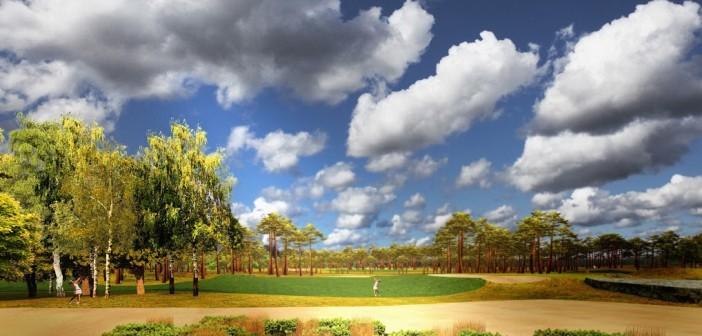
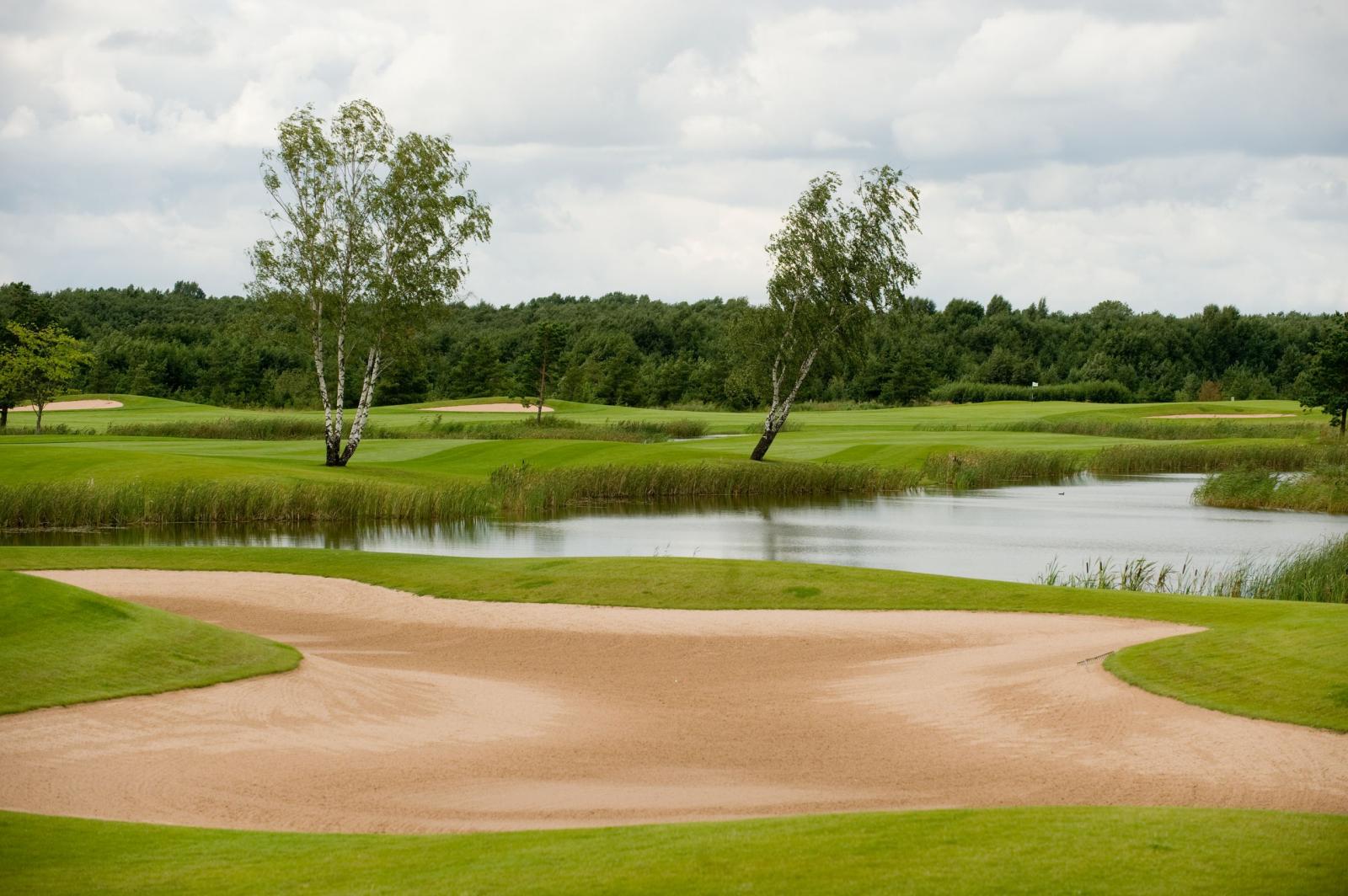
Tondiraba is a green urban area located in Lasnamäe, it is a valuable area with a diverse landscape which at the start of the initiative was severely overgrown and randomly used. The city planned to build an eco-golf course where the diverse and species-rich landscape and protected species are preserved. The architecture of the golf course is based on the advantages of the natural location and an ‘eco-golf course' concept. These landscapes and their flora were generated with landscape maintenance methods, which results in ‘micro-communities’ in which the ecosystems characteristic of the given area would start developing (ref 1, 5).
Overview
Nature-based solution
- Parks and urban forests
- Other
- Blue infrastructure
- Lakes/ponds
Key challenges
- Green space, habitats and biodiversity (SDG 15)
- Green space creation and/or management
- Regeneration, land-use and urban development
- Regulation of built environment
- Promote natural styles of landscape design for urban development
- Health and well-being (SDG 3)
- Enabling opportunities for physical activity
- Improving physical health
- Creation of opportunities for recreation
- Economic development and employment (SDG 8)
- Tourism support
Focus
Creation of new green areas, Transformation of previously derelict areas
Project objectives
The Tondiraba Golf Complex is set in a relief and landscape setting. According to the preliminary draft:
- The golf course is planned for little maintenance
- Natural areas (bog, clint forest) that provide habitat for many birds and animal species and insects are present
- The green corridors connect this area with the rest of the Lasnamäe green areas
-In particular, it is necessary to clean up the growth from the shrub so that the existing water bodies are maintained
- Construction waste deposited on the ground will be used to create hills. It will be covered with soil and landscaped (ref. 5)
The course aimed to be a publicly used recreational green urban area for residents. Cycle and pedestrian paths, playgrounds, a dog-walking ground and other recreational facilities were also planned to be also built (ref. 5).
Implementation activities
According to the preliminary draft: - the golf course is planned for little maintenance. - Natural areas (bog, clint forest) that provide habitat for many birds and animal species and insects are present. - The green corridors connect this area with the rest of the Lasnamäe green areas. -In particular, it is necessary to clean up the growth from the shrub so that the existing water bodies are maintained. -Plans will follow Natural relief and be built on the basis of existing water bodies. - Construction waste deposited on the ground will be used to create hills. It will be covered with soil and landscaped (As per available translation from ref 5.)
- Enables the residents of the city to play golf on the territory of the city in the future, as well as stimulate golf tourism and contribute to the recognition of the city of Tallinn in general (ref. 2, 3)
Main beneficiaries
- Local government/Municipality
- Citizens or community groups
Governance
Management set-up
- Government-led
Type of initiating organisation
- Local government/municipality
Participatory approaches/ community involvement
- Unknown
Details on the roles of the organisations involved in the project
The project developer is the Sports and Youth Department of the Tallinn city council (ref. 1)
Project implemented in response to ...
... an EU policy or strategy?
Unknown
... a national policy or strategy?
Unknown
... a local policy or strategy?
Unknown
Financing
Total cost
Unknown
Source(s) of funding
- Public local authority budget
Type of funding
- Direct funding (grants, subsidies, or self-financed projects by private entities)
Non-financial contribution
Unknown
Impacts and Monitoring
Environmental impacts
- Green space and habitat
- Increased green space area
- Increased ecological connectivity across regeneration sites and scales
Economic impacts
- More sustainable tourism
Socio-cultural impacts
- Social justice and cohesion
- Improved access to urban green space
- Health and wellbeing
- Gain in activities for recreation and exercise
Type of reported impacts
Expected impacts
Presence of formal monitoring system
Yes
Presence of indicators used in reporting
Yes
Presence of monitoring/ evaluation reports
Yes
Availability of a web-based monitoring tool
No evidence in public records
References
1. Ajakiri Golf. (2013). Selgus golfikeskuse ideekavandite paremusjärjestus. Available at: Source link (Accessed: 19 July 2020)
2. Ajkari Golf. (2013). Lasnamäele kavandatakse golfikeskust. Available at: Source link (Accessed: 19 July 2020)
3. Gnadenteich U. (2013). Lasnamäele rajatakse munitsipaalgolfikeskus. Tallinn Postimees. Available at: Source link (Accessed: 19 July 2020)
4. OÜ Hendrikson & Ko. (2013). Tallinna Lasnamäe linnaosa Tondiraba golfikompleksi eelprojekti keskkonnamõju hindamine. Available at: Source link (Accessed: 19 July 2020)
5. Tallinn City Council. (n.d.) Nature and biodiversity. Available at: Source link (Accessed: 19 July 2020)
6. Tallinn City Council. (n.d.) Green urban areas incorporating Sustainable Land Use. Available at: Source link (Accessed: 19 July 2020)
2. Ajkari Golf. (2013). Lasnamäele kavandatakse golfikeskust. Available at: Source link (Accessed: 19 July 2020)
3. Gnadenteich U. (2013). Lasnamäele rajatakse munitsipaalgolfikeskus. Tallinn Postimees. Available at: Source link (Accessed: 19 July 2020)
4. OÜ Hendrikson & Ko. (2013). Tallinna Lasnamäe linnaosa Tondiraba golfikompleksi eelprojekti keskkonnamõju hindamine. Available at: Source link (Accessed: 19 July 2020)
5. Tallinn City Council. (n.d.) Nature and biodiversity. Available at: Source link (Accessed: 19 July 2020)
6. Tallinn City Council. (n.d.) Green urban areas incorporating Sustainable Land Use. Available at: Source link (Accessed: 19 July 2020)