Last updated: October 2021
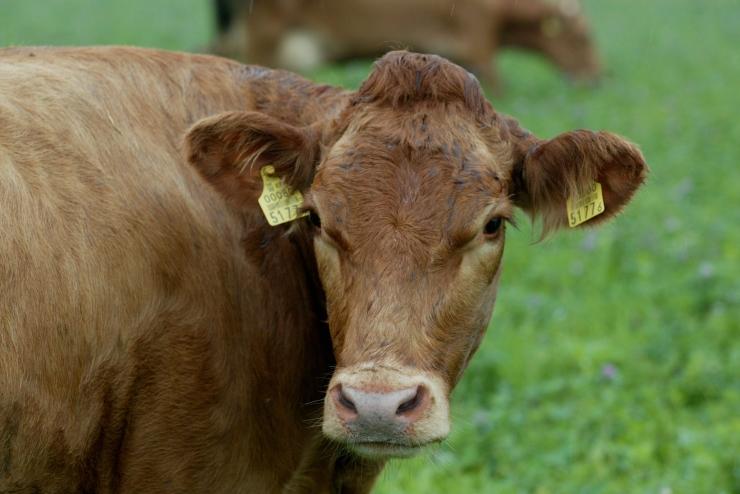
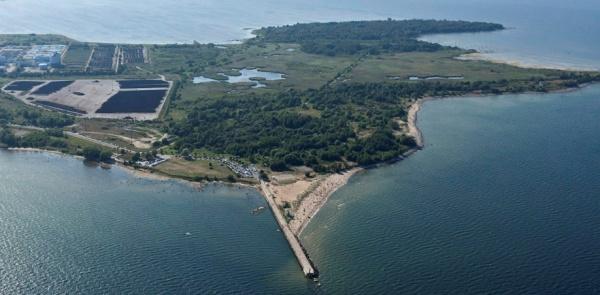
Tallinn implemented a community-based action plan for urban development in the Paljassaare conservation area, aimed at raising cattle on the Paljassaare peninsula, creating community-based beauty and vegetable gardens and restoring a wetland and lakeshores (ref. 3). The Paljassaare area several protected areas required active intervention in the form of care. The management of urban animals had the following objectives implemented: Paljassaare Wetland Complex Restoration; maintenance of a mosaic semi-natural habitat based on conservation values; updating protection regimes and organization; modern visitor arrangement based on protection values and visitor intensiveness (ref. 2).

Overview
Nature-based solution
- Parks and urban forests
- Large urban parks or forests
- Community gardens and allotments
- Community gardens
- Blue infrastructure
- Lakes/ponds
- Coastal wetland, mangroves and salt marshes
Key challenges
- Green space, habitats and biodiversity (SDG 15)
- Green space creation and/or management
- Health and well-being (SDG 3)
- Enabling opportunities for physical activity
- Sustainable consumption and production (SDG 12)
- Sustainable production
Focus
Maintenance and management of urban nature, Protection of natural ecosystems, Transformation of previously derelict areas
Project objectives
Overall community-based urban development project had the following objectives (ref. 3):
Action 1) Urban animals in Paljassaare;
Action 2) Plant cultivation as a joint project;
Action 3) Vegetable/ community gardens in each city district.
The management of urban animals had the following objectives (ref. 2) :
-Paljassaare Wetland Complex Restoration. Cleaning the coastal lakes from the reed.
-Maintenance of a mosaic semi-natural habitat based on conservation values. Designing a 30-hectare beach meadow complex suitable for protected species.
-Updating protection regimes and organization, concluding agreements with users of the site, inclusive planning and raising awareness of the value of the urban environment.
-Modern visitor arrangement based on protection values and visitor intensiveness. Exciting and humane visiting management for sensitive values, resulting in high-quality lodging facilities and good opportunities for nature education.
Implementation activities
As per Ref 1:
1. Paljassaare Wetland Complex Restoration. Cleaning the coastal lakes from the reed.
2. Designing a 30-hectare beach meadow complex suitable for protected species.
3. Updating protection regimes and organization
4. concluding agreements with users of the site
5. inclusive planning and raising awareness of the value of the urban environment.
6. Modern visitor arrangement based on protection values and visitor intensiveness.
7. Exciting and humane visiting management for sensitive values
Biodiversity conservation or restoration-focused activities
Biodiversity restoration:
- Rehabilitate and restore damaged or destroyed ecosystems
Main beneficiaries
- Local government/Municipality
- Citizens or community groups
Governance
Management set-up
- Government-led
Type of initiating organisation
- Local government/municipality
Participatory approaches/ community involvement
- Unknown
Details on the roles of the organisations involved in the project
The city of Tallinn implemented a community-based action plan for urban development (ref. 3) - the city built a yard and was looking for a private company that would want to keep bovine animals there, and also maintain a landscape at the Paljassaare peninsula (ref. 3).
Project implemented in response to ...
... an EU policy or strategy?
Unknown
... a national policy or strategy?
Unknown
... a local policy or strategy?
Yes
(as per the Tallinn Development Plan 2014-2020 : Turning Paljassaare into an attractive living and recreational environment and an area of eco-tourism (ref 2))
Financing
Total cost
€50,000 - €100,000
Source(s) of funding
- Public local authority budget
Type of funding
- Unknown
Non-financial contribution
Unknown
Impacts and Monitoring
Environmental impacts
- Green space and habitat
- Increased green space area
- Increased conservation or restoration of ecosystems
- Increased conversion of degraded land or soil
- Restoration of derelict areas
Economic impacts
- Unknown
Socio-cultural impacts
- Social justice and cohesion
- Improved access to urban green space
- Increased sustainability of agriculture practices
- Education
- Increased support for education and scientific research
- Increased knowledge of locals about local nature
Type of reported impacts
Expected impacts, Achieved impacts
Presence of formal monitoring system
Unknown
Presence of indicators used in reporting
No evidence in public records
Presence of monitoring/ evaluation reports
No evidence in public records
Availability of a web-based monitoring tool
No evidence in public records
References
1. Tallinn city council. 2017. Linnaloomad. Available at: Source link (Accessed: 21 July 2020)
2. Tallinn Development Plan 2014-2020. Document uploaded. (Accessed: 21 July 2020)
3. Pealinn. 2017. Tallinn kavandab Paljassaare poolsaarele veisepidamist. Tallinn. Available at: Source link (Accessed: 21 July 2020)
4. Tallinn city council. 2017. Linnaloomad. Available at: Source link (Accessed: 21 July 2020)
2. Tallinn Development Plan 2014-2020. Document uploaded. (Accessed: 21 July 2020)
3. Pealinn. 2017. Tallinn kavandab Paljassaare poolsaarele veisepidamist. Tallinn. Available at: Source link (Accessed: 21 July 2020)
4. Tallinn city council. 2017. Linnaloomad. Available at: Source link (Accessed: 21 July 2020)