

Last updated: October 2021
The NBS includes the establishment of a new country park, Elba Park, with the goal to create a haven for wildlife and a space for people to enjoy nature. 52 hectares of former coal-mined were transformed under the management of Groundwork NE (Ref 2 & 3).

Elba Park (2012)
Photographer: Andrea Baxter, retrieved 08/15/2018 from Rebekah Vickers
Overview
Nature-based solution
- Parks and urban forests
- Large urban parks or forests
Key challenges
- Green space, habitats and biodiversity (SDG 15)
- Habitat and biodiversity restoration
- Green space creation and/or management
- Regeneration, land-use and urban development
- Conversion of former industrial areas
- Promote natural styles of landscape design for urban development
- Social justice, cohesion and equity (SDG 10)
- Environmental education
- Health and well-being (SDG 3)
- Enabling opportunities for physical activity
- Creation of opportunities for recreation
Focus
Creation of new green areas, Ecological restoration of ecosystems, Transformation of previously derelict areas
Project objectives
1. To convert a degraded area into a green space and a thriving community place.
2. To deliver social, environmental, health, educational and economic benefits.
3. To create an attractive country park with blossoming flora and fauna and where people can enjoy. (Ref 2 and 3)
Implementation activities
The work on the site took place in phases. Phase 1 was the initial preparatory phase and involved gaining planning consents and budgets. Phase 2 required detailed ground investigation, testing and collation of data. With the data produced from the investigation works, 3D contamination mapping was compiled, cleanup targets were derived and detailed design of the remediation process was carried out. These were all presented to, and agreed with, the regulatory authorities. Phase 3 of the works entailed the creation of a housing platform and sections of road embankment. Phase 4 of the project entailed the final profiling and landscaping of the country park area, completion of soil remediation, the construction of the final section of road embankment and treatment of mine shafts. This phase also saw the permeable reactive barrier installed to protect the Herrington Burn from residual groundwater contamination. The park was officially opened on 1st October 2010, with the unveiling of a mining memorial artwork to commemorate the area’s coal mining heritage, by ex-Sunderland and Newcastle United footballer Paul Bracewell. (Ref 4)
Biodiversity conservation or restoration-focused activities
Biodiversity restoration:
- Rehabilitate and restore damaged or destroyed ecosystems
- Restore species (native, endangered, or unspecified)
Main beneficiaries
- Local government/Municipality
- Citizens or community groups
Governance
Management set-up
- Government-led
Type of initiating organisation
- National government
- Regional government
- Local government/municipality
Participatory approaches/ community involvement
- Joint implementation (e.g. tree planting)
Details on the roles of the organisations involved in the project
The Homes and Communities Agency, with funding from the National Coalfields Programme, reclaimed the site by transforming it into a park. The land is owned by the Land Trust and managed by the national federation Grouwdwork, but key collaborators are the regional Groundwork NE and the Sunderland City Council (Ref 2).
Project implemented in response to ...
... an EU policy or strategy?
Unknown
... a national policy or strategy?
Unknown
... a local policy or strategy?
Unknown
Financing
Total cost
€2,000,000 - €4,000,000
Source(s) of funding
- Public national budget
Type of funding
- Direct funding (grants, subsidies, or self-financed projects by private entities)
Non-financial contribution
Unknown
Impacts and Monitoring
Environmental impacts
- Environmental quality
- Improved waste management
- Green space and habitat
- Promotion of naturalistic styles of landscape design for urban development
- Increased green space area
- Increased conservation or restoration of ecosystems
- Increased conversion of degraded land or soil
- Reduced biodiversity loss
- Increased number of species present
- Restoration of derelict areas
Economic impacts
- Other
Socio-cultural impacts
- Social justice and cohesion
- Improved social cohesion
- Improved access to urban green space
- Health and wellbeing
- Improved physical health
- Gain in activities for recreation and exercise
- Education
- Increased support for education and scientific research
- Increased knowledge of locals about local nature
Type of reported impacts
Achieved impacts
Presence of formal monitoring system
Yes
Presence of indicators used in reporting
Yes
Presence of monitoring/ evaluation reports
Yes
Availability of a web-based monitoring tool
No
References
Ref 1: The Land Trust. (n.d.). Elba park. Retrieved from Source link on 10th November, 2020.
Ref 2: Groundwork. (n.d.). Elba park. Retrieved from Source link on 10th November, 2020.
Ref 3: The land Trust. (n.d.). The Land Trust. Retrieved from
Source link on 10th November, 2020.
Ref 4: All Things Bournmoor (n.d.) Elba Park. Retrieved from Source link on 10th November, 2020.
Ref 2: Groundwork. (n.d.). Elba park. Retrieved from Source link on 10th November, 2020.
Ref 3: The land Trust. (n.d.). The Land Trust. Retrieved from
Source link on 10th November, 2020.
Ref 4: All Things Bournmoor (n.d.) Elba Park. Retrieved from Source link on 10th November, 2020.
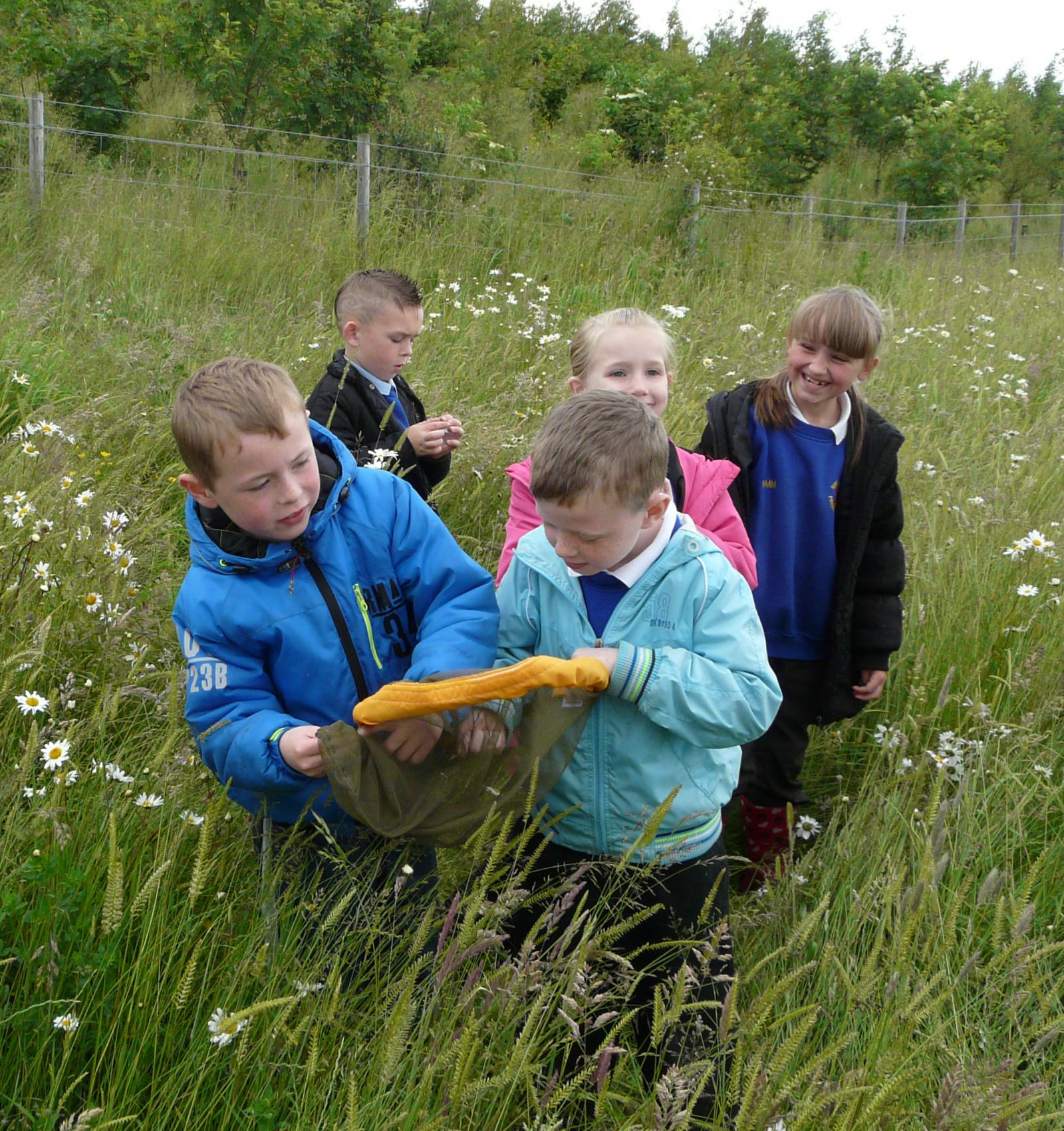
Elba Park (2012)
Photographer: Michael Parr, retrieved 08/15/2018 from Rebekah Vickers
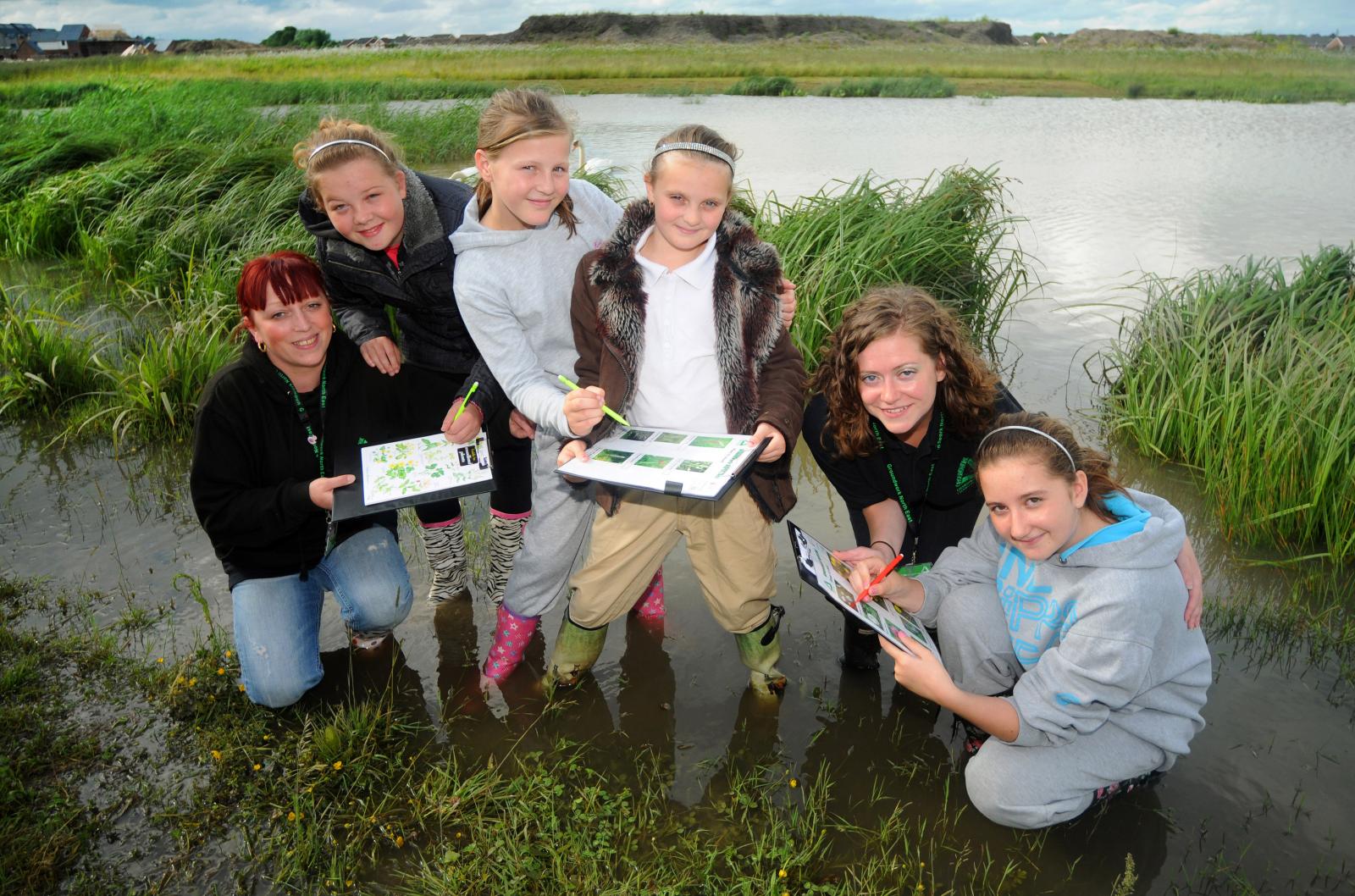
Elba Park (2012)
Photographer: Ian Mcclelland, retrieved 08/15/2018 from Rebekah Vickers