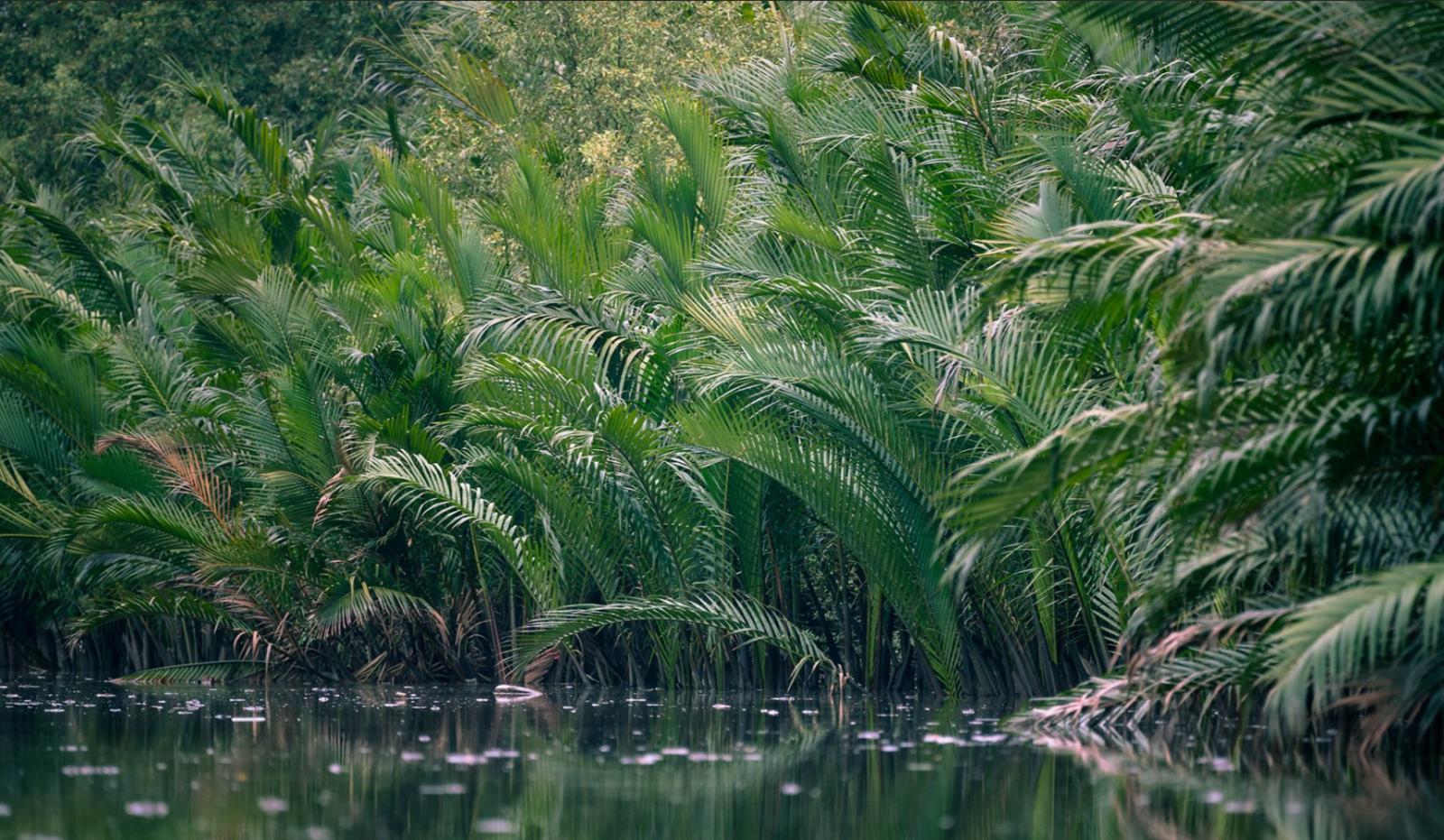
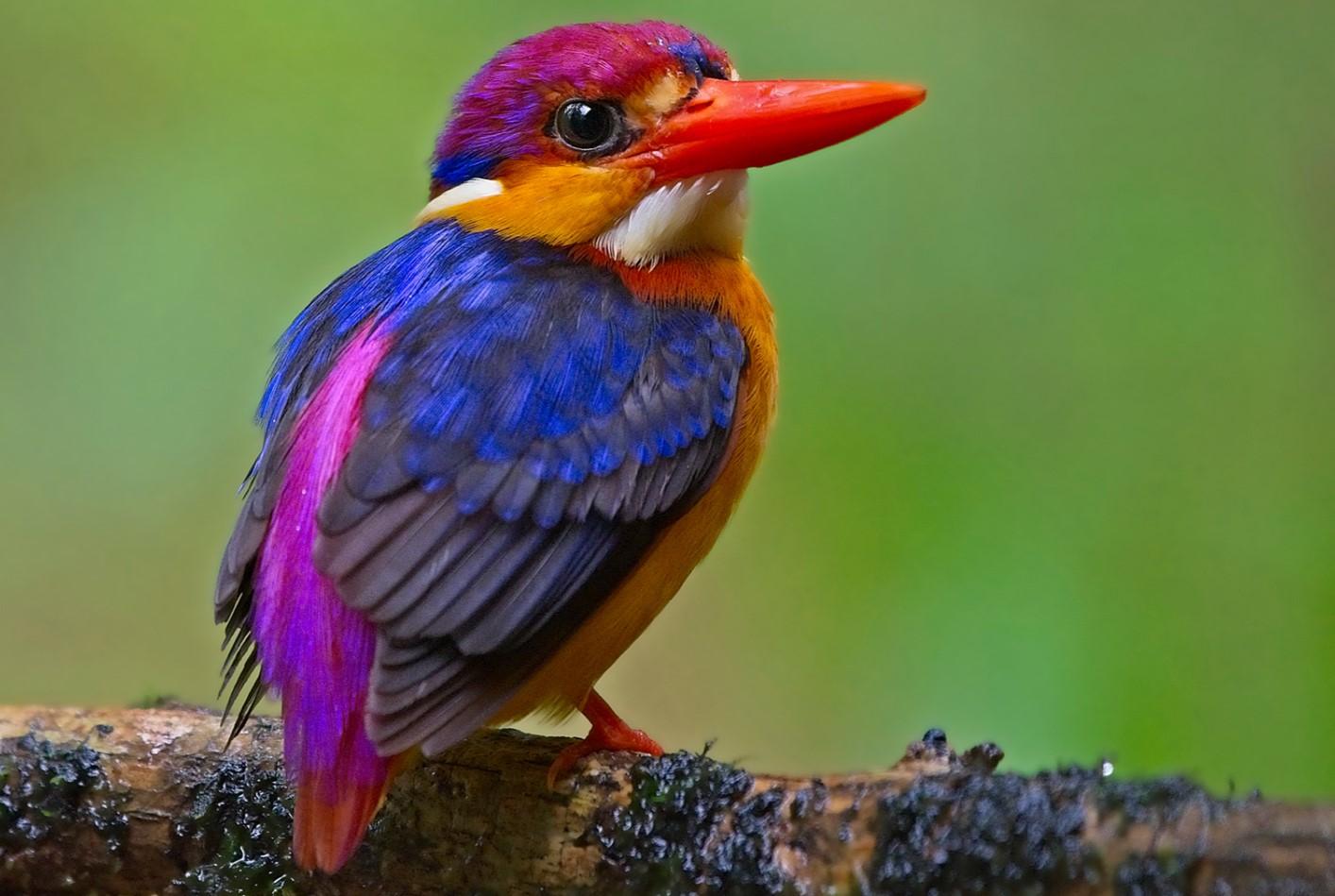
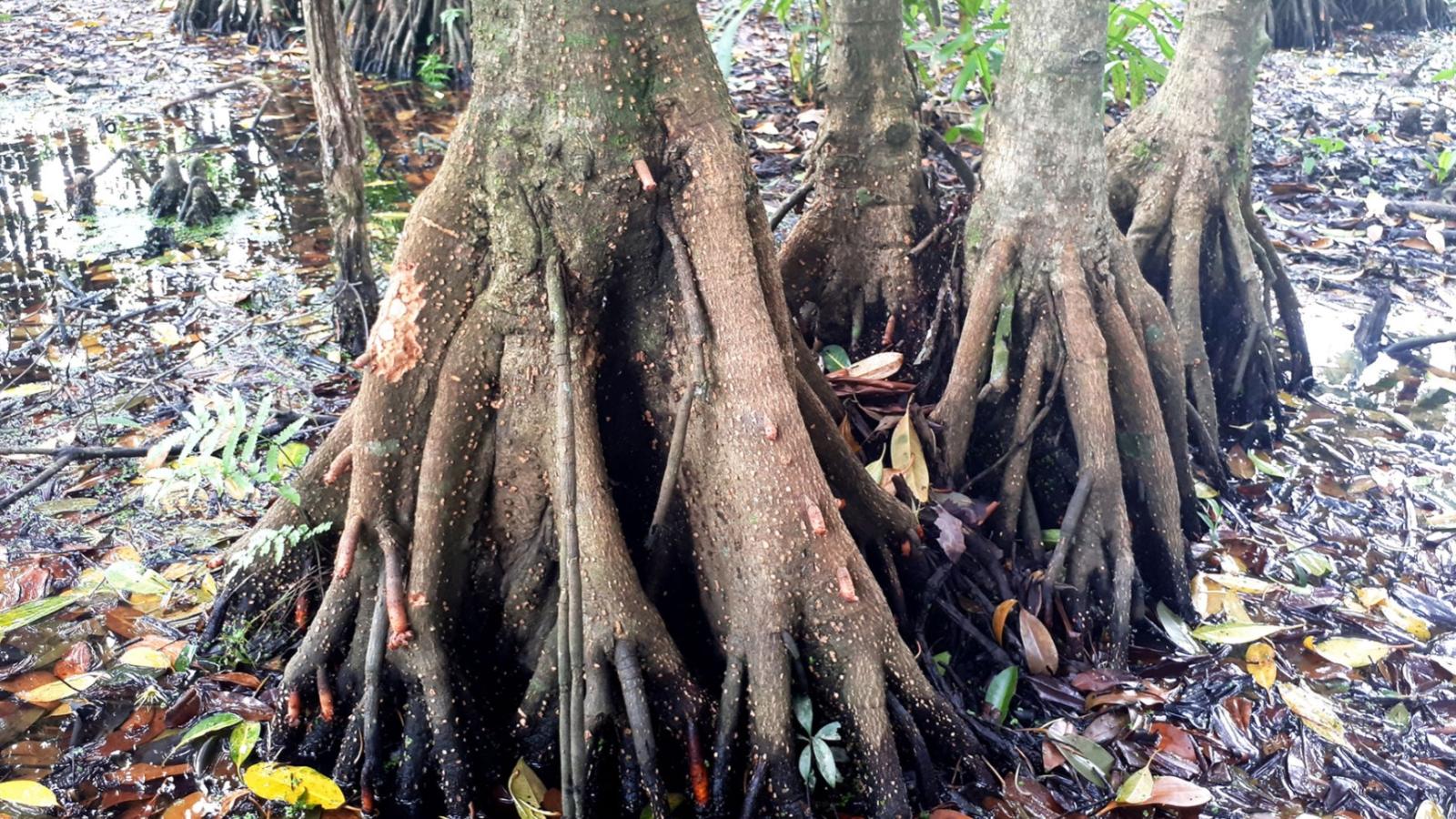
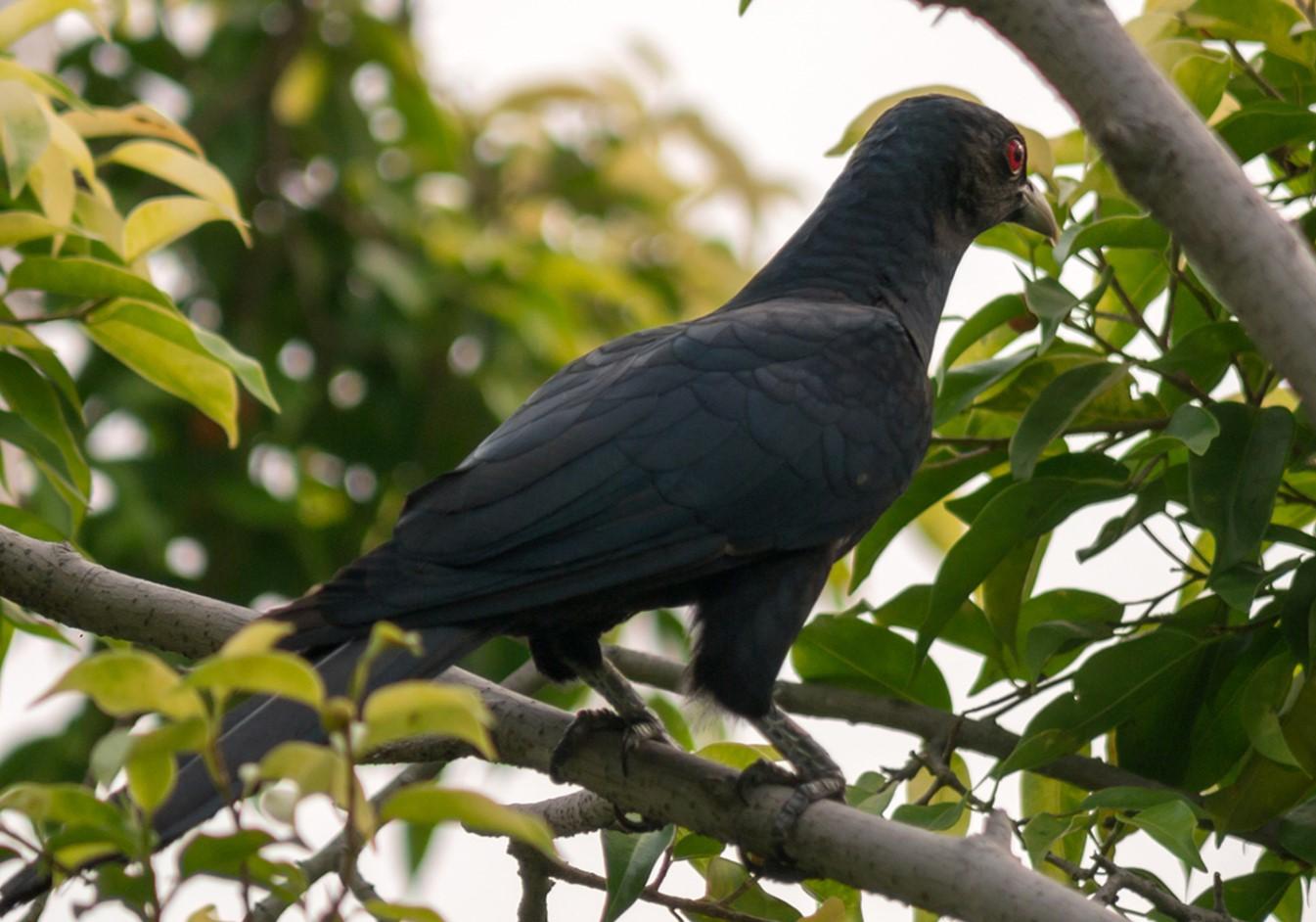
A new nature sanctuary was unveiled at the Kingfisher Wetlands, Gardens by the Bay, in Singapore in 2021. Before the sanctuary was created, the original site was a popular bird-watching spot for the birding community and nature photographers. However, it was isolated and "often missed by the general public". The new Kingfisher Wetlands was thus developed with the aim of enhancing and enriching the Gardens, as well as providing new nature areas for visitors to explore. The place is a new hotspot for the flourishing diversity of exotic flora and fauna. Furthermore, the project helps in mitigating climate change through mangrove plantations. Over 200 native true mangrove trees and mangrove associates have been planted, contributing to sustainability by storing “blue” carbon. Additionally, the project actively supports research into blue carbon science. This contributes to the country's effort to transform Singapore into a City in Nature by weaving nature more intensively into the urban fabric. [1, 4]
Overview
Nature-based solution
- Blue infrastructure
- Lakes/ponds
- Rivers/streams/canals/estuaries
- Coastal wetland, mangroves and salt marshes
- Parks and urban forests
- Large urban parks or forests
Key challenges
- Climate action for adaptation, resilience and mitigation (SDG 13)
- Climate change mitigation
- Green space, habitats and biodiversity (SDG 15)
- Habitat and biodiversity restoration
- Habitat and biodiversity conservation
- Green space creation and/or management
- Regeneration, land-use and urban development
- Promote natural styles of landscape design for urban development
- Water management (SDG 6)
- Improvements to water quality
- Health and well-being (SDG 3)
- Creation of opportunities for recreation
- Social justice, cohesion and equity (SDG 10)
- Environmental education
- Economic development and employment (SDG 8)
- Tourism support
Focus
Project objectives
Implementation activities
Climate-focused activities
Climate change mitigation:
- Increase green urban nature for carbon storage (wetlands, tree cover)
- Improve carbon sequestration through selection of more adaptable species
Biodiversity conservation or restoration-focused activities
Biodiversity conservation:
- Protect and enhance urban habitats
- Preserve and strengthen existing habitats and ecosystems
- Create new habitats
- Preserve and strengthen habitat connectivity
- Protect species
- Undertake specific measures to protect species
- Undertake specific measures to protect native species
- Means for conservation governance
- Create and use scientific knowledge for conservation
Biodiversity restoration:
- Restore species (native, endangered, or unspecified)
- Restore native species
- Restore ecological connectivity
Main beneficiaries
- Local government/Municipality
- Researchers/University
- Citizens or community groups
- Young people and children
Governance
Management set-up
- Co-governance with government and non-government actors
Type of initiating organisation
- National government
- Local government/municipality
- Researchers/university
- Private sector/corporate actor/company
Participatory approaches/ community involvement
- Consultation (e.g. workshop, surveys, community meetings, town halls)
- Joint implementation (e.g. tree planting)
Details on the roles of the organisations involved in the project
Project implemented in response to ...
Financing
Total cost
Source(s) of funding
- Corporate investment
Type of funding
- Direct funding (grants, subsidies, or self-financed projects by private entities)
Non-financial contribution
Impacts and Monitoring
Environmental impacts
- Climate change
- Enhanced carbon sequestration
- Environmental quality
- Improved air quality
- Water management and blue areas
- Improved water quality
- Enhanced protection and restoration of freshwater ecosystems
- Green space and habitat
- Increased green space area
- Increase in protected green space areas
- Increased number of protection areas
- Increased ecological connectivity across regeneration sites and scales
- Reduced biodiversity loss
- Increased number of species present
- Increased protection of threatened species
Economic impacts
- More sustainable tourism
Socio-cultural impacts
- Social justice and cohesion
- Improved access to urban green space
- Increased opportunities for social interaction
- Health and wellbeing
- Gain in activities for recreation and exercise
- Education
- Increased support for education and scientific research
- Increased awareness of NBS and their benefits
Type of reported impacts
Presence of formal monitoring system
Presence of indicators used in reporting
Presence of monitoring/ evaluation reports
Availability of a web-based monitoring tool
References
2. Tan, A. (2021) New nature sanctuary at Gardens by the Bay, Kingfisher Wetlands, has wildlife lookout & giant kingfisher sculptures. Mothership. URL: Source link. Accessed on 19th April, 2022.
3. Woon, W. (2021) Get wowed by wildlife at newly opened Kingfisher Wetlands at Gardens by the Bay. The Straits Times. URL: Source link. Accessed on 19th April, 2022.
4. Ministry of National Development (2021) Speech by Minister Desmond Lee at the Launch of Kingfisher Wetlands in Gardens by the Bay. URL: Source link. Accessed on 19th April, 2022.
5. National Parks. (n.d.) Singapore, a City in Nature. Singapore National Government. URL: Source link. Accessed on 23rd April, 2022.