

Last updated: October 2021
Recovered section of gardens along the banks of the Guadalquavir river, from the Bridge del Cachorro to the Alamillo Park. The area was originally built up for the International Exposition of Sevilla of 1992 and it was abandoned after the event. The area has been recovered by the city and transformed into a park with a series of gardens and pedestrian walk ways along the river. (Ref 1-3) During the 16 years of closure, the flora kept on growing and was rehabilitated during the process of the intervention. The plan also sought to recover the historical gardens of La Cartuja and incorporate them into the garden network of the Paseo de la Ribera. (Ref 2,3)
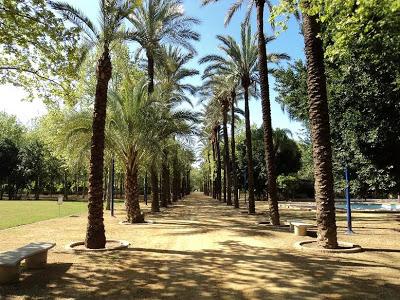
Source: Ref. 4
Overview
Nature-based solution
- Grey infrastructure featuring greens
- Blue infrastructure
- Riverbank/Lakeside greens
- Parks and urban forests
- Large urban parks or forests
- Green corridors and green belts
- Community gardens and allotments
- Other
- Rivers/streams/canals/estuaries
Key challenges
- Green space, habitats and biodiversity (SDG 15)
- Green space creation and/or management
- Environmental quality
- Waste management
- Health and well-being (SDG 3)
- Creation of opportunities for recreation
- Cultural heritage and cultural diversity
- Protection of historic and cultural landscape/infrastructure
- Preservation of historic traditions
Focus
Creation of new green areas, Maintenance and management of urban nature, Ecological restoration of ecosystems
Project objectives
- Create a series of parks with these four characteristics: Metropolitan, Interchanging, Equipped, Sustainable. (Ref 1)
- Further connect the city to the banks of the river (Ref 1)
- Recover the historic gardens of la Cartuja and the gardens of Expo 92 (Ref 1)
- Create a green area for public use by reconstructing 7 gardens along the banks of the river connected by pedestrian walkways: Jardin de la Puerta Triana, Jardin del Pavellon de la Navegacion, Jardin de la Orilla del Monasterio de la Cartuja, Jardin Americano, Jardin del Auditorio, Jardin del Guadalquivir, and Jardin del Teatro (Ref 1)
Implementation activities
Cleaning of the area which had become an urban dump after the closing of the Expo 92. (Ref 2)
January 2008- Start of the intervention construction (Ref 3)
Development of 140,000 square meters of gardens, forests, greenhouses and water structures of the Paseo de las Riberas del Guadalquivir (Ref 3)
January 2009- Projected end of the intervention construction (Ref 1)
2011 Garden path opens to public (Jardin Americano 2010, Jardin del Guadalquivir in 2011) (Ref 2)
2014, City proposal published for the recovery of the parks (after post-rehabilitation abandonment) (Ref 2)
Main beneficiaries
- Local government/Municipality
- Citizens or community groups
Governance
Management set-up
- Government-led
Type of initiating organisation
- Regional government
- Local government/municipality
Participatory approaches/ community involvement
- Unknown
Details on the roles of the organisations involved in the project
Confederación Hidrográfica del Guadalquivir, CHG (Regional Body) - planning (Ref 1)
City Government of Sevilla - 25% of funding from local budget, and planning (Ref 1)
(Intervention is part of agreement of 13 actions on the banks of the river between the CHG and the City Council with a budget of more than 200 million euros and the enhancement of 9 urban parks) (Ref 3)
EU - 75% of funding from EU FEDER funds (Ref 1)
Project implemented in response to ...
... an EU policy or strategy?
Unknown
... a national policy or strategy?
Unknown
(Collaboration Agreement between the Ministry of Environment and Sevilla City Government)
... a local policy or strategy?
Yes
(Plan General de Ordenación Urbana (PGOU) (General Urban Organization Plan) (Ref 1)
)
Financing
Total cost
More than €4,000,000
Source(s) of funding
- EU funds
- Public local authority budget
Type of funding
- Earmarked public budget
- Direct funding (grants, subsidies, or self-financed projects by private entities)
Non-financial contribution
Unknown
Impacts and Monitoring
Environmental impacts
- Green space and habitat
- Increased green space area
- Restoration of derelict areas
Economic impacts
- Unknown
Socio-cultural impacts
- Social justice and cohesion
- Improved access to urban green space
- Health and wellbeing
- Gain in activities for recreation and exercise
- Cultural heritage and sense of place
- Protection of historic and cultural landscape / infrastructure
- Increased sense of place identity, memory and belonging
- Increased awareness of flora and fauna as culturally and historically meaningful
Type of reported impacts
Achieved impacts
Presence of formal monitoring system
Unknown
Presence of indicators used in reporting
No evidence in public records
Presence of monitoring/ evaluation reports
No evidence in public records
Availability of a web-based monitoring tool
No evidence in public records
References
1. Rein Duffau, Luis. (2006). Informe de Viabilidad: Proyecto de Acondicionamiento Ambiental y Reforestacion de las Riberas del Guadalquivir: Puente del Patrocinio-Puente del Alamillo M.D.EN Sevilla. Ministerio de Medio Ambiente. [Document provided].
2. Espadas Cejas, Juan. (2014). Propuesta para la Recuperacion del Jardin Americano y los Jardines del Guadalquivir. Ayuntamiento de Sevilla. [Document provided].
3. Diario de Sevilla. (2008). La ciudad recuperará el paseo de ribera de la Expo tras 16 años de abandono. Diario de Sevilla. Available at: Source link [Accessed: 30 September 2020].
4. Cultura de Sevilla. (2011). Visitamos los Jardines del Guadalquivir. Available at: Source link [Accessed: 30 September 2020].
2. Espadas Cejas, Juan. (2014). Propuesta para la Recuperacion del Jardin Americano y los Jardines del Guadalquivir. Ayuntamiento de Sevilla. [Document provided].
3. Diario de Sevilla. (2008). La ciudad recuperará el paseo de ribera de la Expo tras 16 años de abandono. Diario de Sevilla. Available at: Source link [Accessed: 30 September 2020].
4. Cultura de Sevilla. (2011). Visitamos los Jardines del Guadalquivir. Available at: Source link [Accessed: 30 September 2020].

Source: Ref. 4

Source: Ref. 4
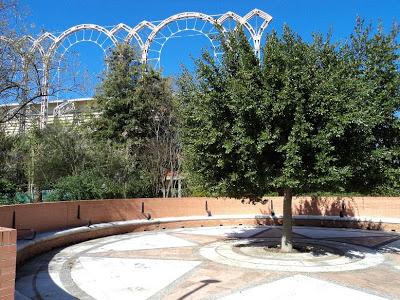
Source: Ref. 4

Source: Ref. 4