

Last updated: November 2021
This intervention is part of an action plan by the Junta de Andalucia to develop an intervention model for disadvantaged zones to facilitate the social inclusion of persons at risk or socially excluded, and the socioeconomic growth of the area. (Ref 1) The project is a pilot to transform one of Sevilla's poorest neighborhoods, Los Pajaritos, into an eco-neighborhood. (Ref 14)
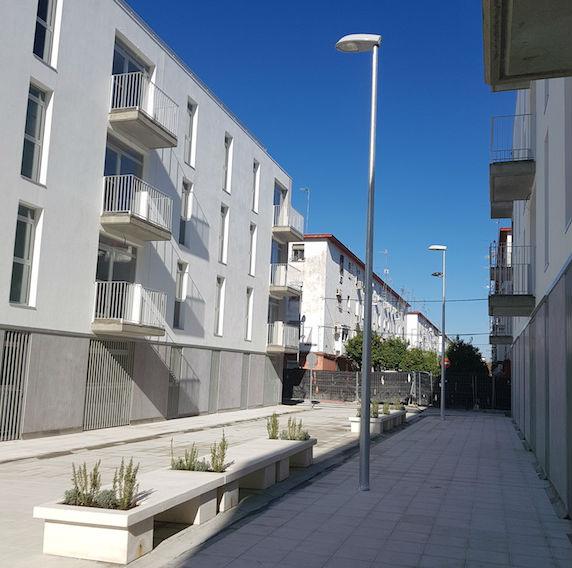
Pajaritos Neighborhood
Maria Isabel Moreno Lopez, retrieved 09/04/2018
Overview
Nature-based solution
- Grey infrastructure featuring greens
- Alley or street trees and other street vegetation
- Parks and urban forests
- Pocket parks/neighbourhood green spaces
- Green areas for water management
- Sustainable urban drainage systems
Key challenges
- Water management (SDG 6)
- Stormwater and rainfall management and storage
- Green space, habitats and biodiversity (SDG 15)
- Green space creation and/or management
- Environmental quality
- Waste management
- Regeneration, land-use and urban development
- Promote natural styles of landscape design for urban development
- Inclusive and effective governance (SDG 16)
- Inclusive governance
- Social justice, cohesion and equity (SDG 10)
- Social justice and equity
- Social interaction
- Economic development and employment (SDG 8)
- Economic development: service sectors
- Real estate development
Focus
Creation of new green areas, Other
Project objectives
Los Pajaritos is within the Tres Barrios section. The overall aim is to transform the already existing neighborhood into an eco-neighborhood (Ref 3). These are reached by (Ref 2,3,7):
- Improving the deficiencies in design, conservation, and use of the roads and green areas.
- Promoting the civic education and identification of the neighbors with the public spaces and communal zones of the area.
- Improving the use and maintenance of these areas.
- Expanding the actions of road re-urbanization and improve the sanitary and drainage systems.
- Adjusting the public spaces to improve accessibility to sidewalks and augmenting or improving the green areas.
- Connecting the area with the rest of the city.
- Promoting citizen participation in the design of the neighborhood and stimulate the investment and identification of residents with their neighborhood.
Implementation activities
(original neighborhood was built in the 1950s and poorly maintained until start of project) (Ref 2)
2009- Pajaritos Green Apple proposal put together (Ref 1)
2017- Construction of new housing and buildings are 65% completed (Ref 2)
2019- 30-42 families that were relocated in 2014 have decided to return to the new housing at Los Pajaritos (Ref 10,11,12)
The plan includes the construction of new housing units, the creation of priority areas and the rehabilitation of empty areas into green spaces (Ref 7)
The eco-neighborhood plan offers an integrated urban model to fight against climate change (Ref 4)
Main beneficiaries
- Local government/Municipality
- Citizens or community groups
- Marginalized groups: Socio-economically disadvantaged populations (e.g. low-income households, unemployed), Other
Governance
Management set-up
- Co-governance with government and non-government actors
Type of initiating organisation
- Local government/municipality
- Transnational network
- Researchers/university
Participatory approaches/ community involvement
- Consultation (e.g. workshop, surveys, community meetings, town halls)
Details on the roles of the organisations involved in the project
City of Sevilla (Mayor's Office, Urban Planning Department) – Coordination and funding for creating the Pilot Project to be included in the CAT-MED network (Ref 2,5,7,8,9)
Andalucian government (Regional government) – City Council started with Andalucian government the process for space to be declared as Urban Regeneration Area, which will facilitate the acquisition of additional funding from the State Housing Plan and the Autonomous Plan (Ref 2)
CAT-MED research group and network is the central initiative under which the project is placed (Ref 5)
Envisesa (Municipal Housing, Land and Equipment Company of Sevilla) – in communication with families who were relocated due to the development (Ref 2)
Vías y Construcciones S.A (Construction company) – awarded the execution of the project (Ref 7)
Project implemented in response to ...
... an EU policy or strategy?
Unknown
... a national policy or strategy?
Unknown
... a local policy or strategy?
Yes
(The plan corresponds with the 1989 Decreto 202/1989 of October 3rd- Plan Especial de Barriadas de Actuacion Preferente. (Junta de Andalucia/ Board of Andalucia). Also based on the Decree 122/ 2008 for Equality and Social Well-being. (Ref 1))
Financing
Total cost
More than €4,000,000
Source(s) of funding
- Public local authority budget
- Unknown
Type of funding
- Earmarked public budget
- Unknown
Non-financial contribution
Unknown
Impacts and Monitoring
Environmental impacts
- Climate change
- Strengthened capacity to address climate hazards/natural disasters
- Green space and habitat
- Increased green space area
Economic impacts
- Increase of green jobs (e.g. paid employment positions)
Socio-cultural impacts
- Social justice and cohesion
- Fair distribution of social, environmental and economic benefits of the NBS project
- Improved liveability
- Improved access to urban green space
- Increased visibility and opportunity for marginalised groups or indigenous peoples
- Increased opportunities for social interaction
- Increased involvement of locals in the management of green spaces
- Cultural heritage and sense of place
- Promotion of cultural diversity
- Increased sense of place identity, memory and belonging
Type of reported impacts
Expected impacts
Presence of formal monitoring system
Unknown
Presence of indicators used in reporting
No evidence in public records
Presence of monitoring/ evaluation reports
No evidence in public records
Availability of a web-based monitoring tool
No evidence in public records
References
1. Integral Urban Development Agency of the Municipality of Seville. (2009). Plan Integral Comunitario Tres Barrios- Amate. [Document provided].
2. EMVISESA. (2017).Las obras de las nuevas viviendas de “Los Pajaritos” culminarán en octubre. Previamente Emvisesa iniciará los contactos con las familias realojadas. Available at: Source link [Accessed: 29 September 2020].
3. De Manuel Jerez, Esteban. (2011). Manzana verde: ecobarrio para tod@s. ADICI. [Not available in 2020].
4. CAT-MED. (2017). Platform for sustainable urban models. [Not available in 2020].
5. josemiguelillo. (2011). Los Pajaritos, La Manzana Verde de Sevilla. Available at: Source link [Accessed: 29 September 2020].
6. Márquez Ramírez, C. et al. (2011). Manzana Verde en Tres Barrios - Los Pájaritos – Documents. [Not available in 2020].
7. Garcia Reyes, Alberto. (2015). Las obras de reconstruccion de Los Pajaritos comenzaran en Julio. ABC Sevilla. Available at: Source link [Accessed: 29 September 2020].
8. Sevilla Actualidad. (2017). Las nuevas viviendas de Los Pajaritos comenzarán a levantarse en mayo. Available at: Source link [Accessed: 29 September 2020].
9. Europa Press. (2017). Un total de 27 empresas pujan por la construcción de los dos primeros bloques nuevos de Los Pajaritos. Available at: Source link [Accessed: 29 September 2020].
10. El Correo. (2019). El nuevo bloque de Los Pajaritos ya tiene sus primeros vecinos. Available at: Source link [Accessed: 29 September 2020].
11. S.L. (2019). Los nuevos inquilinos de Los Pajaritos, procedentes de la bolsa de permuta, ocuparán las viviendas en verano. Available at: Source link [Accessed: 29 September 2020].
12. El Mira. (2019). 42 familias son realojadas en los nuevos bloques de Los Pajaritos. Available at: Source link [Accessed: 29 September 2020].
13. Ruesga, M. (2020). Los hastiales de varios bloques de Los Pajaritos serán reconstruidos. Available at: Source link [Accessed: 29 September 2020].
2. EMVISESA. (2017).Las obras de las nuevas viviendas de “Los Pajaritos” culminarán en octubre. Previamente Emvisesa iniciará los contactos con las familias realojadas. Available at: Source link [Accessed: 29 September 2020].
3. De Manuel Jerez, Esteban. (2011). Manzana verde: ecobarrio para tod@s. ADICI. [Not available in 2020].
4. CAT-MED. (2017). Platform for sustainable urban models. [Not available in 2020].
5. josemiguelillo. (2011). Los Pajaritos, La Manzana Verde de Sevilla. Available at: Source link [Accessed: 29 September 2020].
6. Márquez Ramírez, C. et al. (2011). Manzana Verde en Tres Barrios - Los Pájaritos – Documents. [Not available in 2020].
7. Garcia Reyes, Alberto. (2015). Las obras de reconstruccion de Los Pajaritos comenzaran en Julio. ABC Sevilla. Available at: Source link [Accessed: 29 September 2020].
8. Sevilla Actualidad. (2017). Las nuevas viviendas de Los Pajaritos comenzarán a levantarse en mayo. Available at: Source link [Accessed: 29 September 2020].
9. Europa Press. (2017). Un total de 27 empresas pujan por la construcción de los dos primeros bloques nuevos de Los Pajaritos. Available at: Source link [Accessed: 29 September 2020].
10. El Correo. (2019). El nuevo bloque de Los Pajaritos ya tiene sus primeros vecinos. Available at: Source link [Accessed: 29 September 2020].
11. S.L. (2019). Los nuevos inquilinos de Los Pajaritos, procedentes de la bolsa de permuta, ocuparán las viviendas en verano. Available at: Source link [Accessed: 29 September 2020].
12. El Mira. (2019). 42 familias son realojadas en los nuevos bloques de Los Pajaritos. Available at: Source link [Accessed: 29 September 2020].
13. Ruesga, M. (2020). Los hastiales de varios bloques de Los Pajaritos serán reconstruidos. Available at: Source link [Accessed: 29 September 2020].
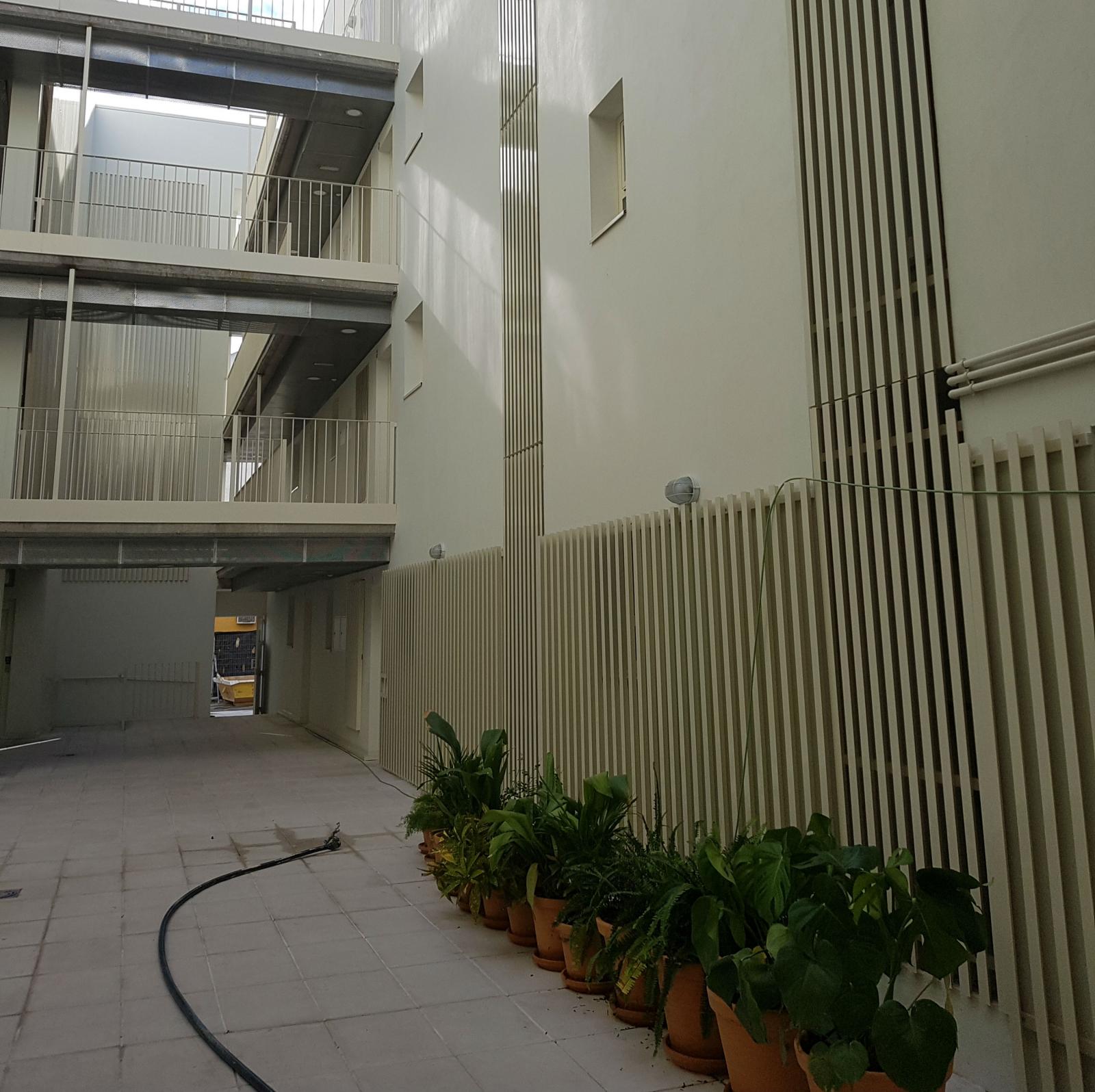
Pajaritos Neighborhood
Maria Isabel Moreno Lopez, retrieved 09/04/2018
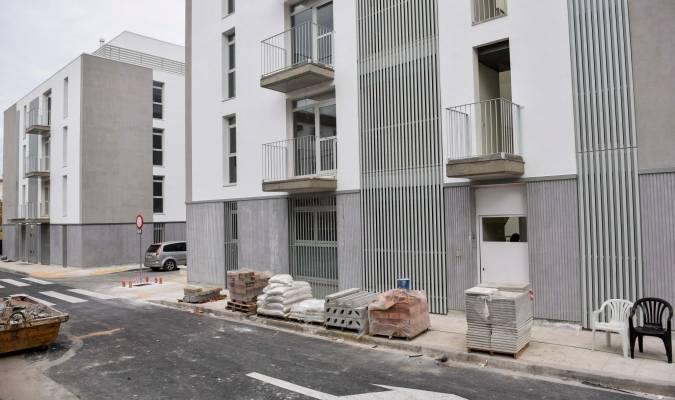
Source: Ref. 10