

Last updated: October 2021
This intervention is a community garden initiated in the unused spaces of the Pablo de Olavide University campus. The garden and cultivation is open to the university community, students, professors, and faculty have the opportunity to apply for shared parcels and co-manage their piece of land from the planning stages to the planting and the cultivation. The intervention is also connected to the institution's education with certain classes and workshops using its managing model and space for learning purposes. (ref 1,5,8,9)

Ecological and Social Orchards (2010)
Photographer: Raul Puente, retrieved 05/28/2018
Overview
Nature-based solution
- Community gardens and allotments
- Allotments
- Community gardens
- Horticulture
Key challenges
- Green space, habitats and biodiversity (SDG 15)
- Green space creation and/or management
- Inclusive and effective governance (SDG 16)
- Inclusive governance
- Social justice, cohesion and equity (SDG 10)
- Environmental education
- Social interaction
- Health and well-being (SDG 3)
- Creation of opportunities for recreation
- Economic development and employment (SDG 8)
- Economic development: agriculture
- Cultural heritage and cultural diversity
- Preservation of natural heritage
- Preservation of historic traditions
- Sustainable consumption and production (SDG 12)
- Sustainable production
Focus
Creation of new green areas, Knowledge creation and awareness raising, Other
Project objectives
Goals defined are to create a shared space for the university community to promote ecological agriculture, sustain biodiversity, and provide education about the environment through practice and participation. The intervention also includes an initiative by students to cultivate medicinal plants to preserve and explore their traditional uses. (ref 1)
Implementation activities
Proposal by University professors and identification of the space to be converted into the community garden. (ref 1)
Assembly formed with 168 members that partook in the planning of individual planting plots, 43 planting plots with 8 people per plot. (ref 1)
As of 2018, there are 55 plots, of 25 or 50 m2 each (ref 7)
Yearly distribution of spaces in parcels according to vacancies. (ref 1)
Different types of cultivation depending on interests and capacities of people. Some plots are used for perma-culture, others for horticulture, others for seasonal planting and harvest, this is done in an individual bases (per plot) adhering to the co-management structure of the garden. (ref 1)
Main beneficiaries
- Researchers/University
- Citizens or community groups
- Food producers and cultivators (i.e. farmers, gardeners)
- Other
Governance
Management set-up
- Led by non-government actors
Type of initiating organisation
- Researchers/university
- Citizens or community group
Participatory approaches/ community involvement
- Co-planning (e.g. stakeholder workshops, focus groups, participatory mapping)
- Dissemination of information and education
- Consultation (e.g. workshop, surveys, community meetings, town halls)
- Joint implementation (e.g. tree planting)
- Co-management/Joint management
- Citizen oversight (e.g. boards, advisory)
Details on the roles of the organisations involved in the project
The intervention was proposed by professors at the university. After its approval, students, administrative staff, and teaching faculty cooperated to plan and transform the area into planting plots which they in turn continue to maintain. (ref 1)
Project implemented in response to ...
... an EU policy or strategy?
No
... a national policy or strategy?
No
... a local policy or strategy?
No
( It was not linked to one specific strategic plan, but does aim to move away from rising privatization in educational institutions and alienation of individuals in the university and urban context. (source 7))
Financing
Total cost
Unknown
Source(s) of funding
- Unknown
Type of funding
- Unknown
Non-financial contribution
Type of non-financial contribution
- Provision of land
- Provision of labour
- Provision of expertise
Who provided the non-financial contribution?
- Citizens (e.g. volunteering)
- Other
Impacts and Monitoring
Environmental impacts
- Green space and habitat
- Increased green space area
- Increased number of species present
- Increased spread of native/heirloom/open-pollinated seed
- Other
Economic impacts
- Other
Socio-cultural impacts
- Social justice and cohesion
- Improved social cohesion
- Fair distribution of social, environmental and economic benefits of the NBS project
- Improved access to urban green space
- Increased opportunities for social interaction
- Increased involvement of locals in the management of green spaces
- Increased access to healthy/affordable food
- Increased sustainability of agriculture practices
- Health and wellbeing
- Gain in activities for recreation and exercise
- Education
- Increased support for education and scientific research
- Increased knowledge of locals about local nature
- Increased awareness of NBS and their benefits
- Other
Type of reported impacts
Achieved impacts
Presence of formal monitoring system
Unknown
Presence of indicators used in reporting
No evidence in public records
Presence of monitoring/ evaluation reports
No evidence in public records
Availability of a web-based monitoring tool
No evidence in public records
References
1. Diario de la Universidad de Pablo Olivade (DUPO). (2013). La UPO convierte 1.250 metros cuadrados de su campus en huertos ecológicos y sociales. Sevilla: DUPO. Available at: Source link [Accessed: 24 September 2020].
2. Universidad de Pablo Olivade (UPO). (2014). Anuncio de taller, Jornadas sobre Agricultura Ecológica en la UPO. Sevilla: UPO. [Not available in 2020].
3. UPO. (2017). Huertos Urbanos: Buenas Prácticas Sociales, Ambientales y Territoriales, VII Edición (Course description). Sevilla: UPO. [Not available in 2020].
4. Vera Rodriguez, C. (2014). Trabajo de Fin de Grado: Investigacion Socio-Educativa El Huerto Como Herramienta de Intervencion Social. Sevilla: Faculty of Social Sciences, UPO, 21-22. [Not available in 2020].
5. DUPO. (2013). La UPO y la Asociación Fuente de la Reja promoverán actividades de educación ambiental en agroecología. Sevilla: DUPO. Available at: Source link [Accessed: 24 September 2020].
6. Centro para el Desarrollo de la Comunicación y la Imagen. (2013). HUERTOS URBANOS. Sevilla: CEDECOM. [Not available in 2020].
7. Aula Magna. (2018). Huertos ecológicos y sociales en la Universidad Pablo de Olavide. Available at: Source link [Accessed: 24 September 2020].
8. El Enjambre Sin Reina. (2014). Curso-taller Introducción a la Agricultura Ecológica, enfocada a los huertos de la UPO. Available at: Source link [Accessed: 24 September 2020].
9. DUPO. (2019). Esta tarde, sesión teórico – práctica para conocer la biodiversidad en los huertos de la UPO. Available at: Source link [Accessed: 24 September 2020].
10. Ybarra Bores, P. (2020). El Ayuntamiento de Sevilla permitirá el acceso a los huertos urbanos dos horas a la semana. ABC de Sevilla. Available at: Source link [Accessed: 24 September 2020].
11. Munoz, C. (2020). La vuelta a campus. Source link. Available at: Source link [Accessed: 24 September 2020].
2. Universidad de Pablo Olivade (UPO). (2014). Anuncio de taller, Jornadas sobre Agricultura Ecológica en la UPO. Sevilla: UPO. [Not available in 2020].
3. UPO. (2017). Huertos Urbanos: Buenas Prácticas Sociales, Ambientales y Territoriales, VII Edición (Course description). Sevilla: UPO. [Not available in 2020].
4. Vera Rodriguez, C. (2014). Trabajo de Fin de Grado: Investigacion Socio-Educativa El Huerto Como Herramienta de Intervencion Social. Sevilla: Faculty of Social Sciences, UPO, 21-22. [Not available in 2020].
5. DUPO. (2013). La UPO y la Asociación Fuente de la Reja promoverán actividades de educación ambiental en agroecología. Sevilla: DUPO. Available at: Source link [Accessed: 24 September 2020].
6. Centro para el Desarrollo de la Comunicación y la Imagen. (2013). HUERTOS URBANOS. Sevilla: CEDECOM. [Not available in 2020].
7. Aula Magna. (2018). Huertos ecológicos y sociales en la Universidad Pablo de Olavide. Available at: Source link [Accessed: 24 September 2020].
8. El Enjambre Sin Reina. (2014). Curso-taller Introducción a la Agricultura Ecológica, enfocada a los huertos de la UPO. Available at: Source link [Accessed: 24 September 2020].
9. DUPO. (2019). Esta tarde, sesión teórico – práctica para conocer la biodiversidad en los huertos de la UPO. Available at: Source link [Accessed: 24 September 2020].
10. Ybarra Bores, P. (2020). El Ayuntamiento de Sevilla permitirá el acceso a los huertos urbanos dos horas a la semana. ABC de Sevilla. Available at: Source link [Accessed: 24 September 2020].
11. Munoz, C. (2020). La vuelta a campus. Source link. Available at: Source link [Accessed: 24 September 2020].

Source: Ref. 1

Source: Ref. 1
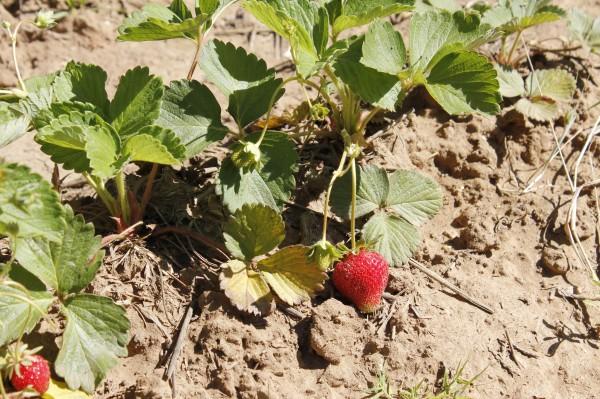
Source: Ref. 1
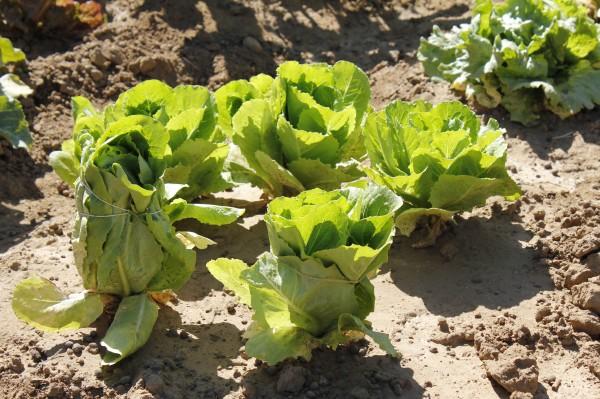
Source: Ref. 1