Quito, Ecuador
City population: 2011000
Duration: 2018 – ongoing
Implementation status: Ongoing
Scale: Micro-scale: District/neighbourhood level
Project area: unknown
Type of area: Previous derelict area, Residential
Last updated: October 2021

Ecuador is considered one of the most biodiverse countries in the world (one of the 17th most diverse), due to the high diversity of their natural species. The country has around 23.056 taxonomic species of animals and plants reported, which constitutes the 6,1% of all species reported worldwide. (6) Quito, the country's capital makes no exception and is considered a biodiversity hotspot. In recent years, urban expansion has had a detrimental effect on the environment and the city’s ecology. All of these actions exacerbate the stresses on the different ecosystems, contaminate water sources and networks, and put the city’s capacity to supply ecosystem services at risk. To respond to many of these challenges the municipality of Quito initiated in 2020 a nature-based solution program under the EU framework of Clever Cities. (1) The project intends to position nature-based solutions as a means to improving public health, social cohesion, citizen security and increasing economic opportunities in those areas. (3)
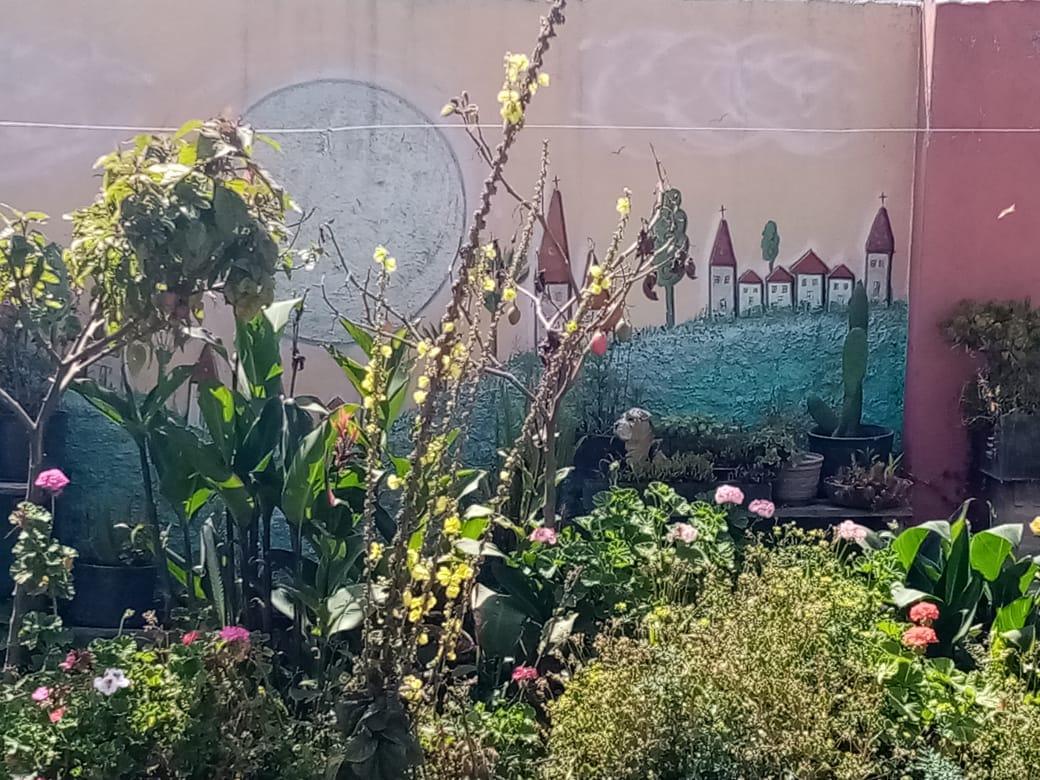
Photo 3
https://www.facebook.com/CleverSEVquito/

Overview

Nature-based solution

  • Parks and urban forests
  • Pocket parks/neighbourhood green spaces
  • Community gardens and allotments
  • Community gardens

Key challenges

  • Climate action for adaptation, resilience and mitigation (SDG 13)
  • Climate change adaptation
  • Climate change mitigation
  • Green space, habitats and biodiversity (SDG 15)
  • Habitat and biodiversity restoration
  • Social justice, cohesion and equity (SDG 10)
  • Environmental education
  • Environmental and climate justice
  • Health and well-being (SDG 3)
  • Improving physical health

Focus

Creation of new green areas, Ecological restoration of ecosystems, Transformation of previously derelict areas, Knowledge creation and awareness raising

Project objectives

In Quito (located at 2,800 meters above sea level and one of the highest capital cities in the world) environmental impacts such as greenhouse gas emissions coupled with unregulated urban growth led to an increase in natural threats such as earthquakes, landslides, and wildfires. To address many of these challenges, the municipality of Quito applied to an EU scheme, called the Clever Cities, and plans to fight the climate change effects and loss of biodiversity by implementing nature-based solutions. The intervention will focus on the neighbourhood of San Enrique de Velasco which is relatively deprived of vegetation and species diversity due to environmental degradation and a lack of connectivity resulting from surrounding ravines. More precisely the goals of the present intervention are (1,2,3,4): 1. To nurture equitable and regenerative climate action solutions through NBS; 2. To build capacity through targeted governance and raising awareness through targeted outreach activities. 3. To coordinate a widespread tree planting campaign with native tree species and the participation of locals, therefore, addressing biodiversity concerns 4. To improve citizens’ quality of life and alleviate detrimental environmental and climate impacts through innovative NBS and concrete legislative commitments. 5. To reduce the average daily temperature of the neighbourhood and a decrease in the number of days with high temperatures. 6. Restoring abandoned public plots with edible gardens, small urban forest, skate park and exterior theatre space (4) 7. Reducing the number of premature deaths associated with high temperatures by at least five deaths per year. (2,7)

Implementation activities

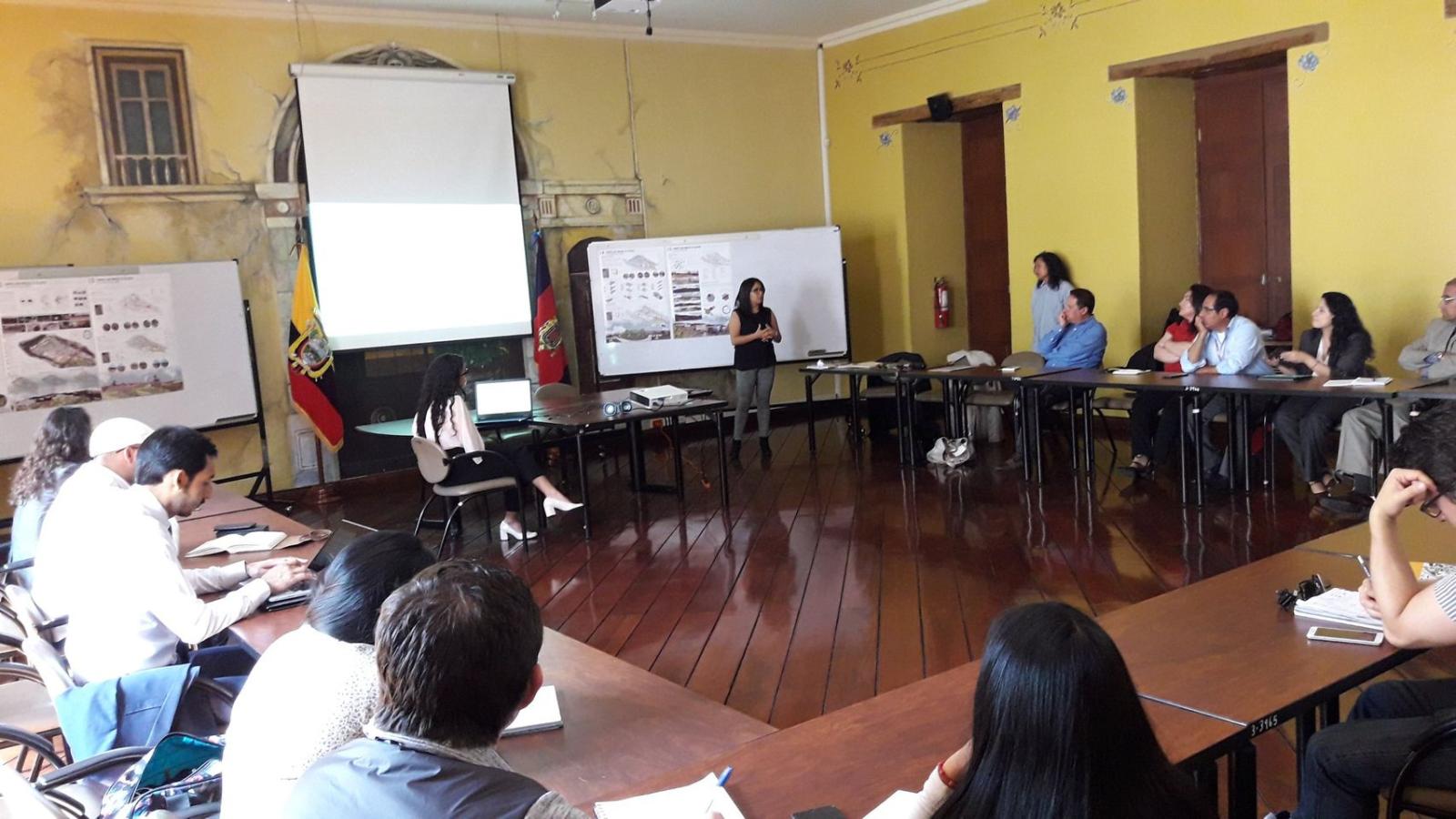
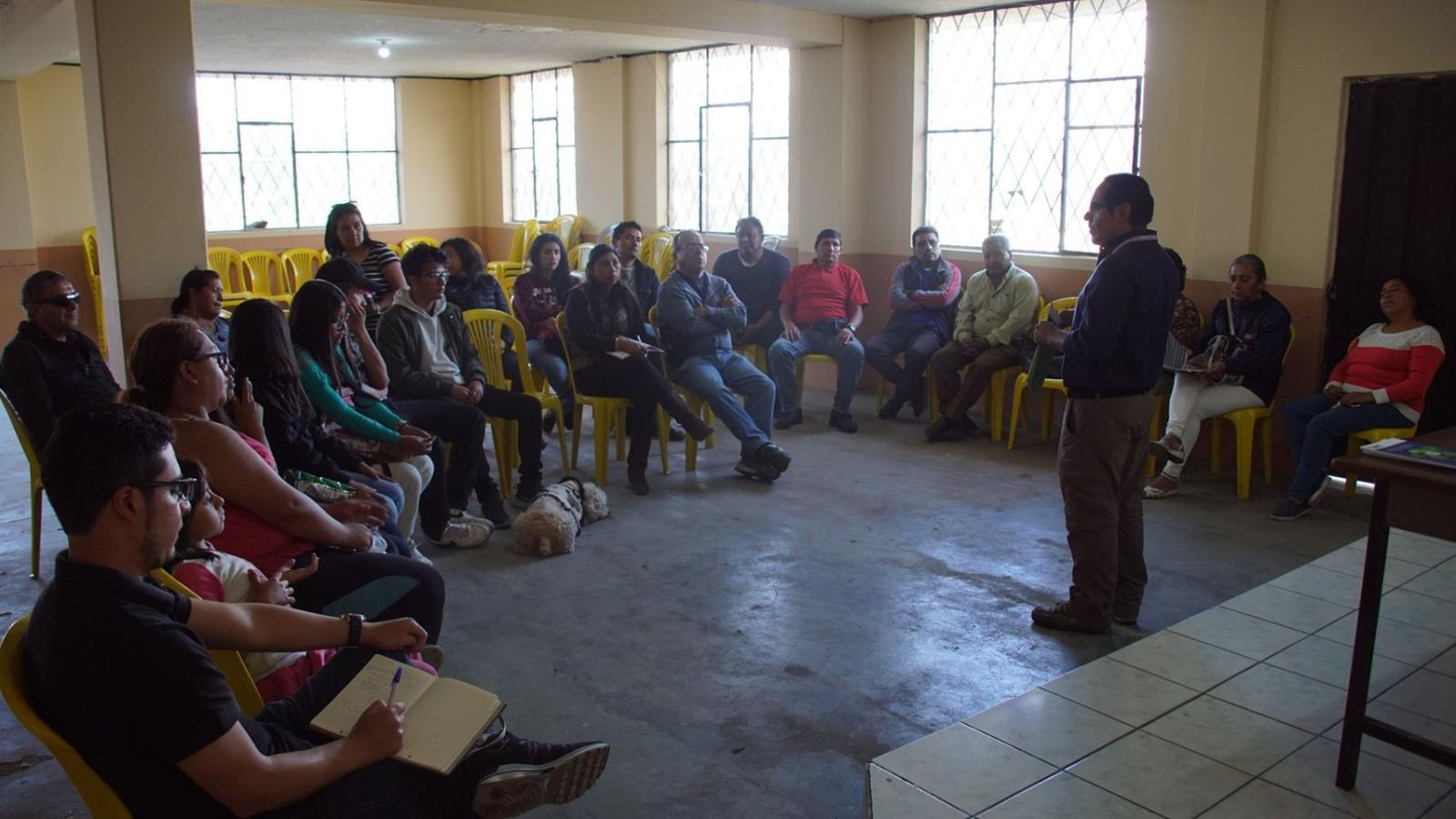
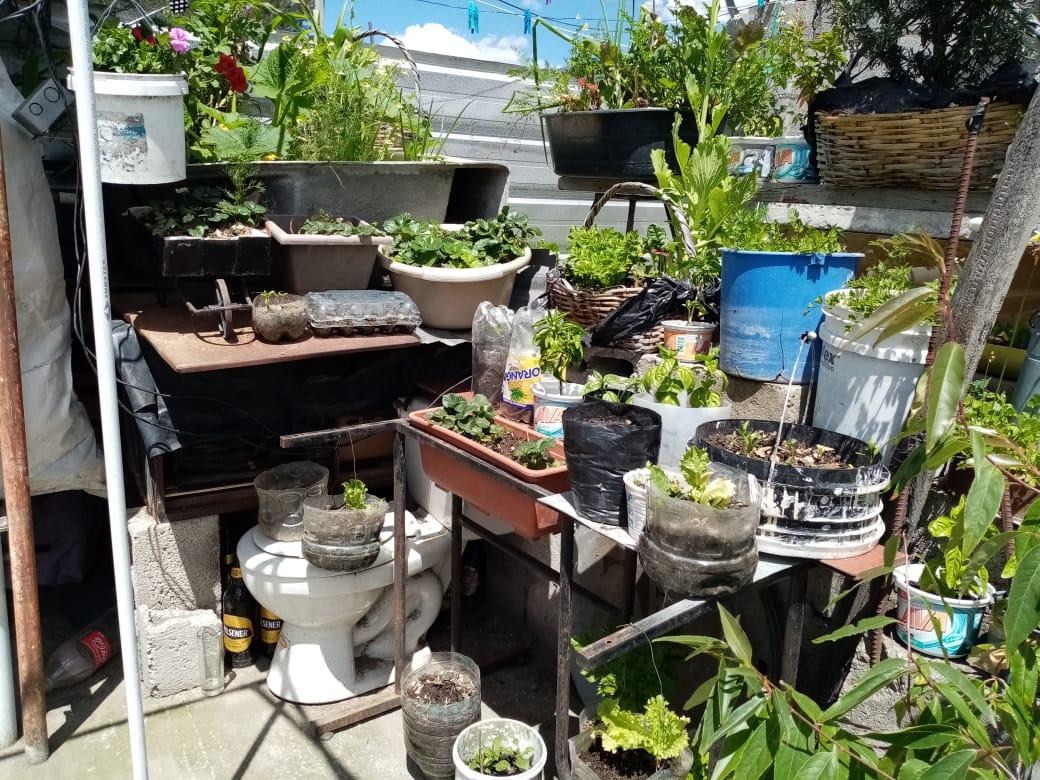
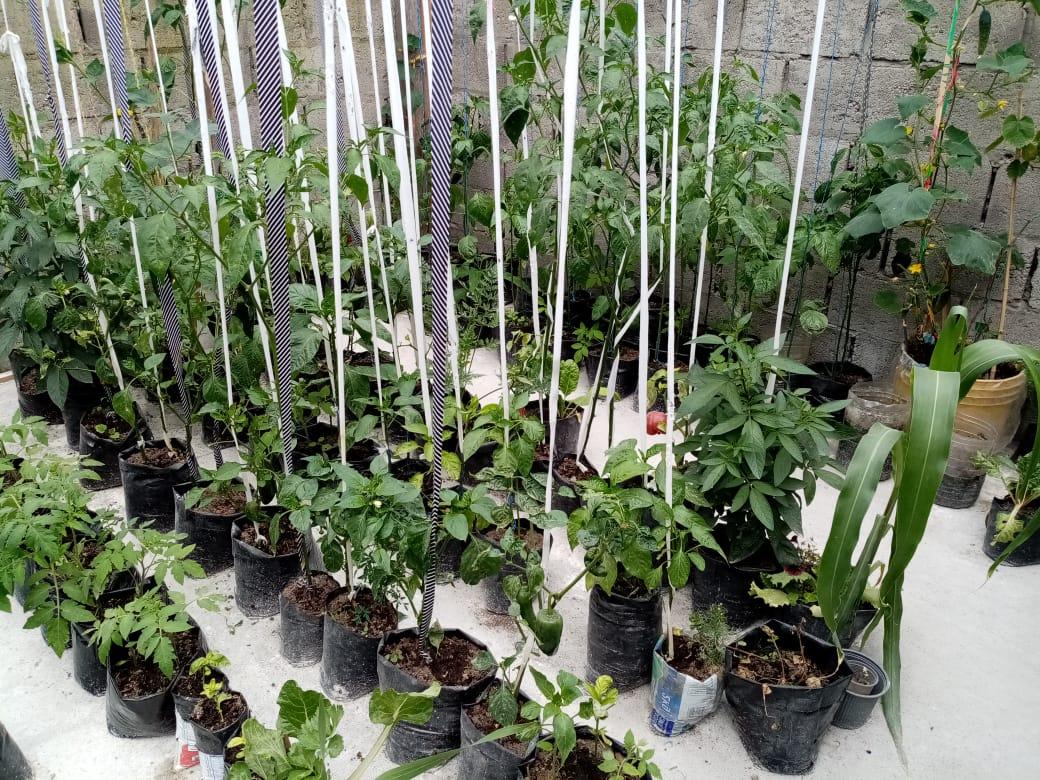
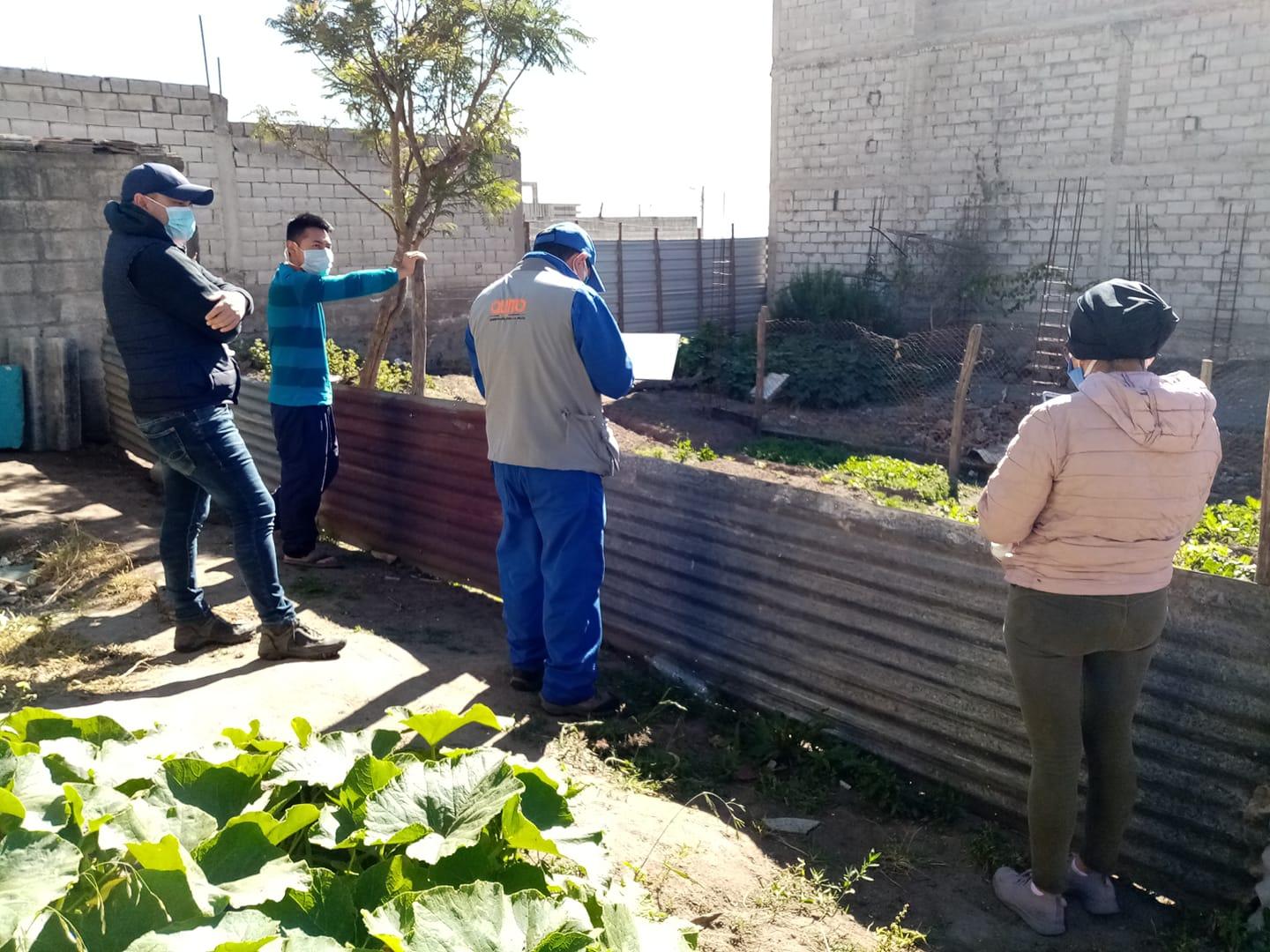
As this is a fairly new initiative and because of the impacts of Covid19 so far the implementation strategy focused on organising capacity-building workshops that can help strategise the prospective actions. In July 2020, a workshop was organised. In the workshop, Daniela Rizzi, Sustainable Resources, Climate and Resilience Officer of the ICLEI Europe city network, addressed in depth the issue of NBS and how the world's cities are changing. In addition, the Clever Cities team made up of the Ministry of Environment, the Environmental Fund, the Planning Secretariat (Resilience Directorate) and YES Innovation reported in-depth on the Clever Cities project at the global and local levels. The CLEVER Cities project in the city of Quito is executed in the neighbourhood of San Enrique de Velasco, located north of Quito, in which the co-creation and co-implementation of NBS is sought to improve the quality of life of citizens, thus creating a pilot neighbourhood of NBS that could be replicated in the city and in the region. Finally, in the workshop, through a collaborative dynamic, it was possible to generate an academic discussion that in order to promote cooperation between the Academy and Clever Cities for the development of NBS in the city of Quito. Furthermore, in 2020 the Municipality issued a Climate Change Action plan that includes the San Enrique de Velasco intervention and sets the policy basis for future implementations. In June and August 2020 the first urban community gardens were implemented in the neighbourhood (2,5,7)

Climate-focused activities

Climate change adaptation:

  • Increase or improve urban vegetation cover to help reduce outdoor temperature
  • Create or improve outdoor spaces to help people escape from urban heat

Climate change mitigation:

  • Increase green urban nature for carbon storage (wetlands, tree cover)
  • Improve carbon sequestration through selection of more adaptable species

Biodiversity conservation or restoration-focused activities

Biodiversity restoration:

  • Restore species (native, endangered, or unspecified)
  • Restore native species
  • Public engagement

Main beneficiaries

  • Citizens or community groups

Governance

Management set-up

  • Government-led

Type of initiating organisation

  • Local government/municipality

Participatory approaches/ community involvement

  • Co-planning (e.g. stakeholder workshops, focus groups, participatory mapping)
  • Dissemination of information and education
  • Consultation (e.g. workshop, surveys, community meetings, town halls)
  • Joint implementation (e.g. tree planting)

Details on the roles of the organisations involved in the project

The intervention is implemented under the Clever Cities initiative with the Municipality of Quito being the lead on this project. Other stakeholders involved (from a governmental perspective) were: the Clever Cities team made up of the Ministry of Environment, the Environmental Fund, the Planning Secretariat (Resilience Directorate) and YES Innovation. Based in Quito, Ecuador, YES Innovation seeks to introduce new tools and technologies in the practice of architecture and urban planning in Latin America. The company cooperates with worldwide experts and researchers to generate new knowledge allowing them to implement novel concepts in the local context. (2,5)

Project implemented in response to ...

... an EU policy or strategy? Yes (This intervention is funded by the EU under an EU project, Clever Cities, which is related to the smart cities strategy developed by the European Union. The Smart Cities initiative is based on many policies with one of them being the Urban Agenda for the EU, set forth in the Pact of Amsterdam, ratified by urban-policy ministers from the EU member countries in May 2016 and in the 2019 Declaration of ministers ‘Towards a common framework for urban development in the European Union’. (3))
... a national policy or strategy? Yes (In 2016, Ecuador ratified the Paris Agreement and, in response to this global commitment, submitted to the United Nations Framework Convention on Climate Change (UNFCCC) of 2019 its first National Determined Contribution (NDC, for its acronym in English). In this document, it is noted that the cities of Ecuador are particularly vulnerable to climate threats; Therefore, the central government and local governments made the commitment to work in a coordinated manner to achieve national goals for reducing emissions and improving adaptation capacities to face the adverse effects of climate change and, therefore, improve the quality of life of citizens (MAE 2019b). (2))
... a local policy or strategy? Yes (The intervention is based on the Plan de Acción de Cambio Climático de Quito 2020-2050 (PACQ 2020) - The Climate Change Action Plan of Quito (2))

Financing

Total cost

€100,000 - €500,000

Source(s) of funding

  • EU funds
  • Public local authority budget

Type of funding

  • Earmarked public budget
  • Direct funding (grants, subsidies, or self-financed projects by private entities)

Non-financial contribution

Type of non-financial contribution
  • Provision of land
  • Provision of labour
  • Provision of expertise
  • Exchange of services
Who provided the non-financial contribution?
  • Public authorities (e.g. land, utility services)
  • Citizens (e.g. volunteering)

Impacts and Monitoring

Environmental impacts

  • Climate change
  • Lowered local temperature
  • Reduced emissions
  • Green space and habitat
  • Increased green space area
  • Restoration of derelict areas

Economic impacts

  • Stimulate development in deprived areas

Socio-cultural impacts

  • Education
  • Increased knowledge of locals about local nature

Type of reported impacts

Expected impacts

Presence of formal monitoring system

Yes

Presence of indicators used in reporting

Yes

Presence of monitoring/ evaluation reports

Yes

Availability of a web-based monitoring tool

No evidence in public records

References

Clever Cities 1
https://www.facebook.com/CleverSEVquito/
Photo 6
https://www.facebook.com/CleverSEVquito/
Photo 5
https://www.facebook.com/CleverSEVquito/
Clever Cities 4
https://www.facebook.com/CleverSEVquito/
Clever Cities 2
https://www.facebook.com/CleverSEVquito/
Information about this nature-based solution was collected as part of the UNA global extension project funded by the British Academy.