

Last updated: October 2021
In 2017, Park Service of Portsmouth City Council has introduced a new approach to its annual 'In Bloom' campaign, aiming at increasing urban biodiversity, promoting pollinating insects and making the city more colourful (1,5). As part of the initiative, 15 wildflower meadows have been created with information boards at various spots in the city including parks, gardens and schoolyards as well. Planted seed mixes had been carefully tested and selected to fit the local environmental conditions, including native species and promote pollination (5). The campaign has been appreciated by citizens and visitors of the Urban Meadows (5). The urban meadows are planted as a part of an annual campaign (3)

Urban Meadow Bed at Lake Road, Portsmouth (2017)
Photographer: Adrian Rozier, retrieved 05/15/2018
Overview
Nature-based solution
- Grey infrastructure featuring greens
- Green playgrounds and school grounds
- Parks and urban forests
- Pocket parks/neighbourhood green spaces
Key challenges
- Green space, habitats and biodiversity (SDG 15)
- Habitat and biodiversity restoration
- Habitat and biodiversity conservation
- Green space creation and/or management
- Health and well-being (SDG 3)
- Creation of opportunities for recreation
Focus
Creation of new green areas, Maintenance and management of urban nature, Monitoring and maintenance of habitats and/or biodiversity
Project objectives
1. Sowing of meadows and wild flowers in urban parks across Portsmouth City (5)
2. Boost nectar and pollen levels in the urban environment to support wildlife such as bees and butterflies and thus helping pollination of other plants and local ecosystem (5)
3. Improve the appearance of a greater number of public spaces (1)
Implementation activities
- Testing and selection of a special wildflower seed mix suitable for the local conditions, cost-effective and includes mostly native plants, require relatively little maintenance and promote pollination (5)
- Mapping of areas and plots suitable for meadow on public green areas (eg. parks) and in school premises (5)
- Creation of a new butterfly house at Cumberland House garden that will complement the established wildflower meadows and grassland found at other semi-natural open spaces within the city. (1)
- Installation of Information boards explaining the purpose of the wildflower meadows (5)
Biodiversity conservation or restoration-focused activities
Biodiversity conservation:
- Protect species
- Undertake specific measures to protect species
- Undertake specific measures to protect native species
- Undertake specific measures to protect valued species
- Means for conservation governance
- Raise public awareness
- Public engagement
Biodiversity restoration:
- Rehabilitate and restore damaged or destroyed ecosystems
- Restore species (native, endangered, or unspecified)
- Restore native species
- Restore valued species
- Public engagement
Main beneficiaries
- Local government/Municipality
- Citizens or community groups
Governance
Management set-up
- Government-led
Type of initiating organisation
- Local government/municipality
Participatory approaches/ community involvement
- Dissemination of information and education
- Consultation (e.g. workshop, surveys, community meetings, town halls)
- Joint implementation (e.g. tree planting)
Details on the roles of the organisations involved in the project
The project was initiated by the Park Service of the Portsmouth's City Council as a new approach to its annual 'In Bloom' campaign. (5) The project was realised with the financial sponsorship of COLAS and Portsmouth Water. (1,5)
Project implemented in response to ...
... an EU policy or strategy?
Unknown
... a national policy or strategy?
Unknown
... a local policy or strategy?
Unknown
Financing
Total cost
Less than €10,000
Source(s) of funding
- Public local authority budget
- Corporate investment
Type of funding
- Direct funding (grants, subsidies, or self-financed projects by private entities)
Non-financial contribution
Unknown
Impacts and Monitoring
Environmental impacts
- Green space and habitat
- Promotion of naturalistic styles of landscape design for urban development
- Increased green space area
- Increased conversion of degraded land or soil
- Increased number of species present
- Enhanced support of pollination
- Increased spread of native/heirloom/open-pollinated seed
Economic impacts
- Unknown
Socio-cultural impacts
- Cultural heritage and sense of place
- Increased appreciation for natural spaces
- Education
- Increased knowledge of locals about local nature
- Increased awareness of NBS and their benefits
Type of reported impacts
Achieved impacts
Presence of formal monitoring system
Yes
Presence of indicators used in reporting
No evidence in public records
Presence of monitoring/ evaluation reports
Yes
Availability of a web-based monitoring tool
No evidence in public records
References
1. Gonella, P. (2017). Portsmouth’s Urban Meadows. Strong Island. Accessed on November 12, 2020, Source link
2. Roope, C. (2017). Urban meadows to be introduced in Portsmouth. Families Online. Accessed on November 12, 2020, Source link
3. Portsmouth City Council. (2017). Portsmouth to bloom with urban meadows. Website not available
4. Express FM. (2017). Urban meadows to be sown across Portsmouth. Accessed on November 12, 2020, Source link
5. Director of Culture and City Development - Portsmouth City Council. (2017). Urban Meadows in Portsmouth. Portsmouth City Council, Accessed on November 12, 2020, Source link
2. Roope, C. (2017). Urban meadows to be introduced in Portsmouth. Families Online. Accessed on November 12, 2020, Source link
3. Portsmouth City Council. (2017). Portsmouth to bloom with urban meadows. Website not available
4. Express FM. (2017). Urban meadows to be sown across Portsmouth. Accessed on November 12, 2020, Source link
5. Director of Culture and City Development - Portsmouth City Council. (2017). Urban Meadows in Portsmouth. Portsmouth City Council, Accessed on November 12, 2020, Source link
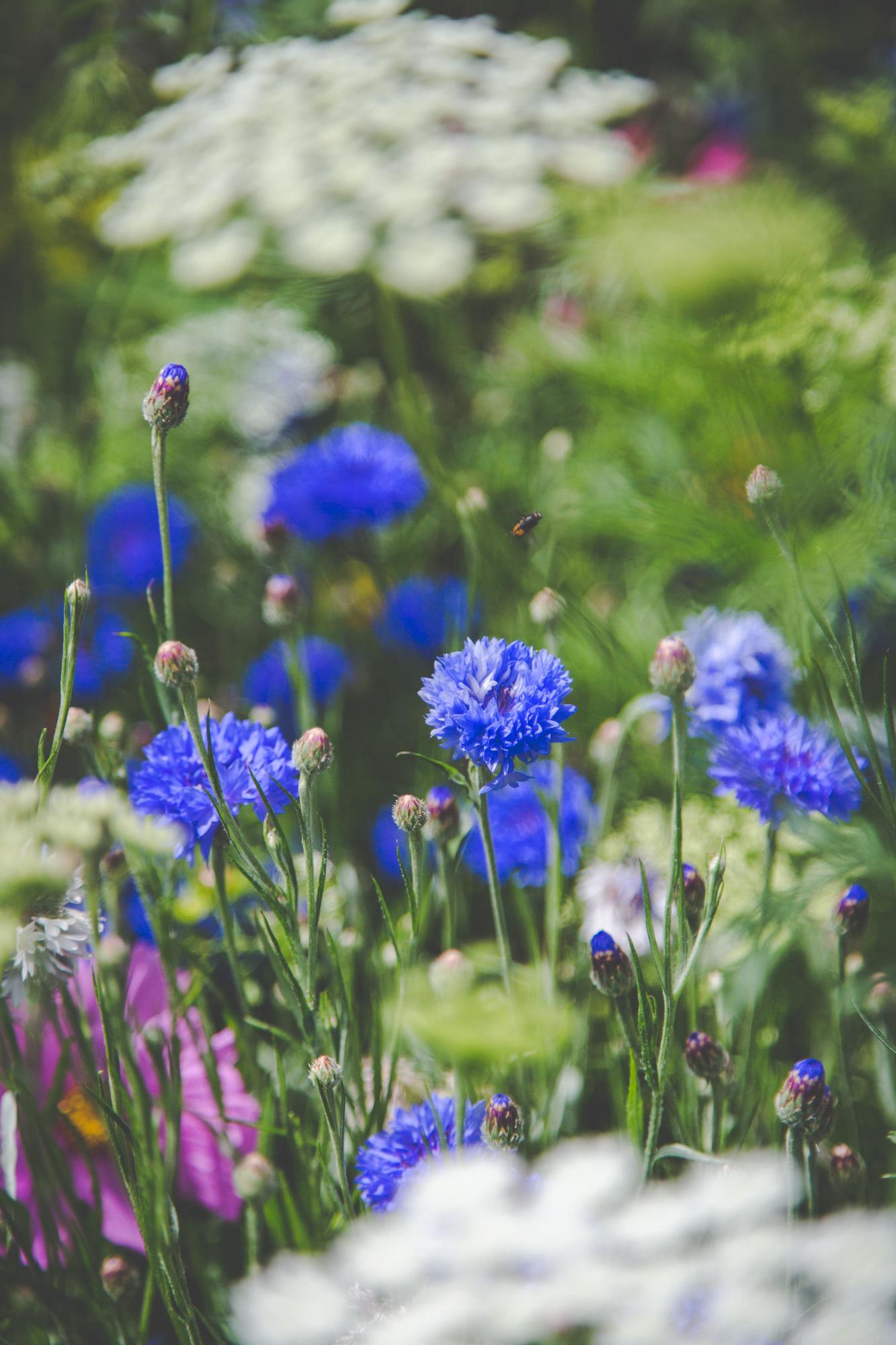
Source: http://www.strongisland.co/2017/07/25/portsmouths-urban-meadows/

Source: http://www.strongisland.co/2017/07/25/portsmouths-urban-meadows/
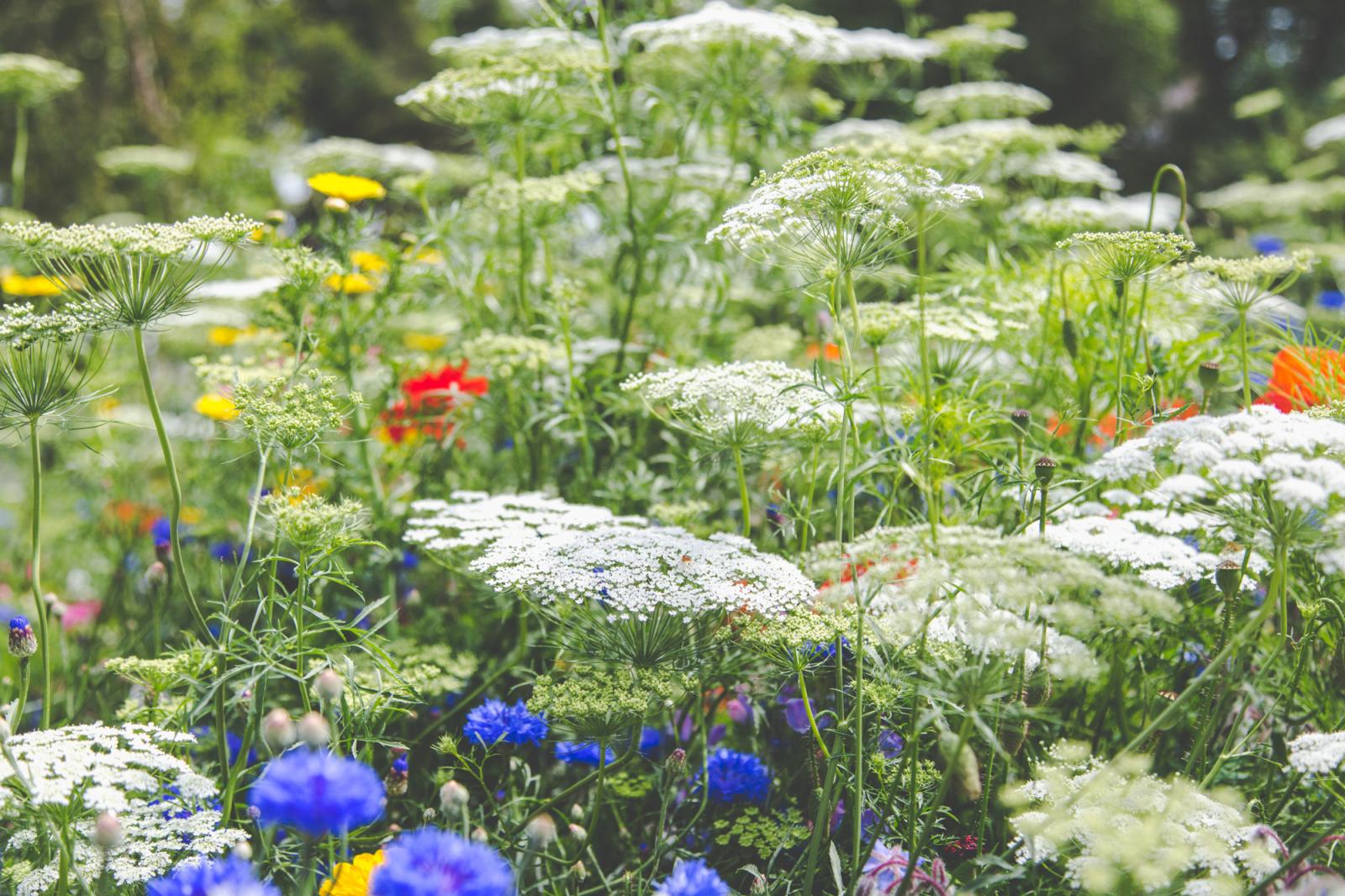
Source: http://www.strongisland.co/2017/07/25/portsmouths-urban-meadows/