

Last updated: October 2021
The Urban Park of Pasteleira is a public park located in the parish of Lordelo do Ouro, in the city of Porto. The park extends over an extensive area (7 hectares) of forest, divided into two plots by the street of Afonso de Paiva. The forest, an example that remains of the natural vegetation of the Porto area, consists essentially of wild pines and cork oaks, and enrichment of vegetation by the planting of trees and shrubs of Portuguese flora and exotic species. It was designed in 2004 and completed in 2009 (1).
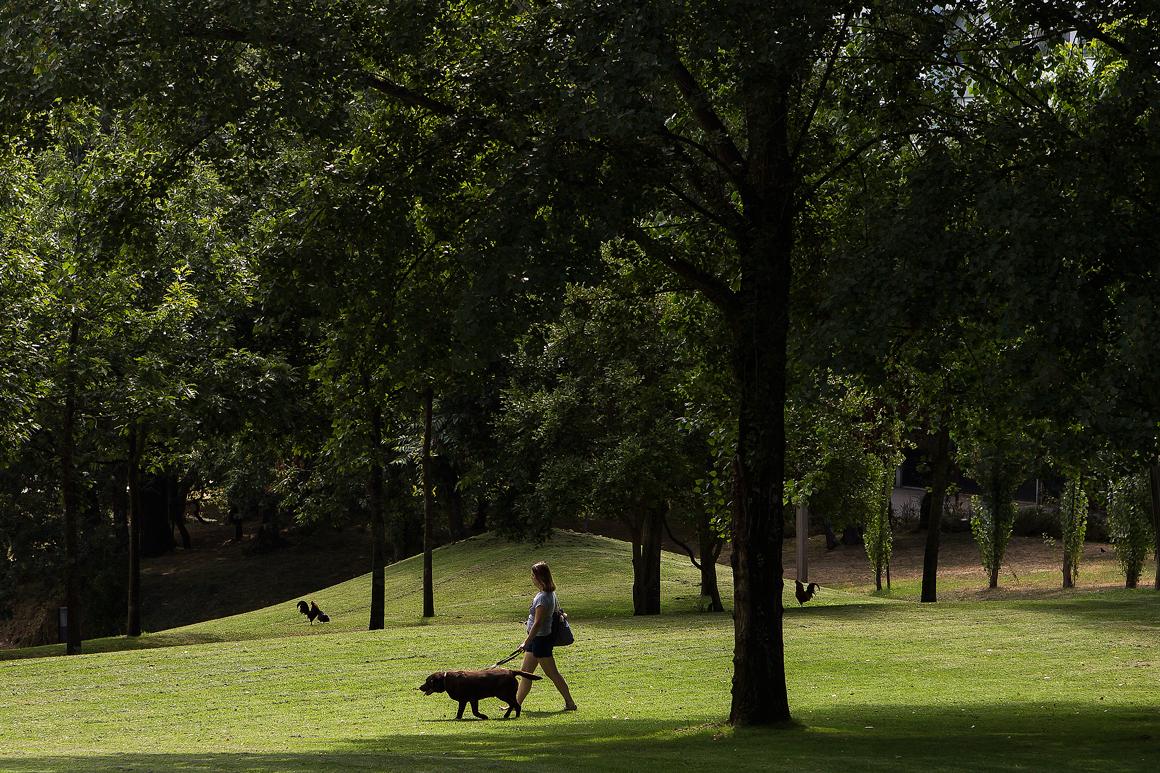
Pasteleira Urban Park
Divisão Municipal Parques Urbanos, retrieved 08/28/2018 from Sidónio Manuel Moreira de Sousa
Overview
Nature-based solution
- Parks and urban forests
- Large urban parks or forests
Key challenges
- Green space, habitats and biodiversity (SDG 15)
- Habitat and biodiversity conservation
- Green space creation and/or management
- Environmental quality
- Soil quality improvement
- Social justice, cohesion and equity (SDG 10)
- Social cohesion
- Social interaction
- Health and well-being (SDG 3)
- Creation of opportunities for recreation
- Economic development and employment (SDG 8)
- Real estate development
Focus
Creation of new green areas
Project objectives
1. Improving the overall quality of urban life;
2. Strengthening the community;
3. An urban oasis: nature in the city;
4. Reducing stress and promoting relaxation ;
5. Increasing economy and property value;
6. Promoting creativity;
7. The ecological value of open space is incredibly important for urban environments. For every piece of land that is safeguarded from development, different species of plants and animals are allowed to prosper, as well as lend a hand in the mitigation of air pollution. The more green space, the better: green corridors connect life. (2)
Implementation activities
Parque da Pasteleira is a relatively new park, designed by landscape architect Marisa Lavrador and completed in 2009. The park looks like two separate green spaces but is actually one that’s connected by three footbridges over Rua de Afonso Paiva. It has some great features: a meandering pond with ducks and a population of Egyptian geese, a paved cycling path, a little sculpture park, and more playgrounds than the average park. They probably weren’t part of the original plans, but there’s also a bunch of resident chickens cohabiting with at least one resident cat. (4)
Biodiversity conservation or restoration-focused activities
Biodiversity conservation:
- Protect and enhance urban habitats
- Preserve and strengthen existing habitats and ecosystems
- Protect species
- Undertake specific measures to protect species
- Undertake specific measures to protect native species
- Undertake specific measures to protect valued species
Main beneficiaries
- Local government/Municipality
- Citizens or community groups
- Marginalized groups: Elderly people, Socio-economically disadvantaged populations (e.g. low-income households, unemployed)
- Young people and children
Governance
Management set-up
- Government-led
Type of initiating organisation
- Local government/municipality
Participatory approaches/ community involvement
- Co-planning (e.g. stakeholder workshops, focus groups, participatory mapping)
Details on the roles of the organisations involved in the project
This is an NBS initiated and implemented by the Municipality of Porto who aimed at revamping a former green area and transform it into a park. For that matter, the works were assigned to the architect Marisa Lavrador. (2)
Project implemented in response to ...
... an EU policy or strategy?
Unknown
... a national policy or strategy?
Unknown
... a local policy or strategy?
Yes
(This NBS is part of a plan initiated by the Municipality of Porto to revamp an area called Mata da Perreira. As such the municipality organized a contest won by the architect Marisa Lavrador who in 2004 started to design the area (3))
Financing
Total cost
Unknown
Source(s) of funding
- Public local authority budget
Type of funding
- Earmarked public budget
Non-financial contribution
Unknown
Impacts and Monitoring
Environmental impacts
- Environmental quality
- Improved soil quality
- Green space and habitat
- Promotion of naturalistic styles of landscape design for urban development
- Increased green space area
- Increased conservation or restoration of ecosystems
- Increased protection of threatened species
Economic impacts
- Unknown
Socio-cultural impacts
- Health and wellbeing
- Gain in activities for recreation and exercise
- Education
- Increased support for education and scientific research
- Increased knowledge of locals about local nature
Type of reported impacts
Achieved impacts
Presence of formal monitoring system
Unknown
Presence of indicators used in reporting
No evidence in public records
Presence of monitoring/ evaluation reports
No evidence in public records
Availability of a web-based monitoring tool
No evidence in public records
References
1. Porto's Municipality (no date), Parque da Pasteleira, Available at Source link (Accessed 22-6-2020)
2.The Trust for Public Land (2014), The Economic Benefits of San Francisco’s
Park and Recreation System, Available at Source link (Accessed 22-6-2020)
3. Hello Guide Oporto (no date), Pasteleira Urban Park, Available at Source link (Accessed 30-7-2020)
4. Gail at Large (2016), PORTO’S PARQUE DA PASTELEIRA, Available at Source link, (Accessed 22-6-2020)
5. Fernandes, C. et al (2013), Green space typologies in the city of Porto, Available at Source link (Accessed 22-6-2020)
6.Farinha-Marques, P. et al, (2014), Morfologia e Biodiversidade nos Espaços Verdes da Cidade do Porto - Livro 1: Selecção das áreas de estudo - 2ª Edição, revista e aumentada, Available at Source link, (Accessed 30-7-2020)
7.Municipality of Porto (2017), Clone of the centennial tree of Freixo de Espada à Cinta was planted in Pasteleira, Available at Source link, (Accessed 30-7-2020)
2.The Trust for Public Land (2014), The Economic Benefits of San Francisco’s
Park and Recreation System, Available at Source link (Accessed 22-6-2020)
3. Hello Guide Oporto (no date), Pasteleira Urban Park, Available at Source link (Accessed 30-7-2020)
4. Gail at Large (2016), PORTO’S PARQUE DA PASTELEIRA, Available at Source link, (Accessed 22-6-2020)
5. Fernandes, C. et al (2013), Green space typologies in the city of Porto, Available at Source link (Accessed 22-6-2020)
6.Farinha-Marques, P. et al, (2014), Morfologia e Biodiversidade nos Espaços Verdes da Cidade do Porto - Livro 1: Selecção das áreas de estudo - 2ª Edição, revista e aumentada, Available at Source link, (Accessed 30-7-2020)
7.Municipality of Porto (2017), Clone of the centennial tree of Freixo de Espada à Cinta was planted in Pasteleira, Available at Source link, (Accessed 30-7-2020)
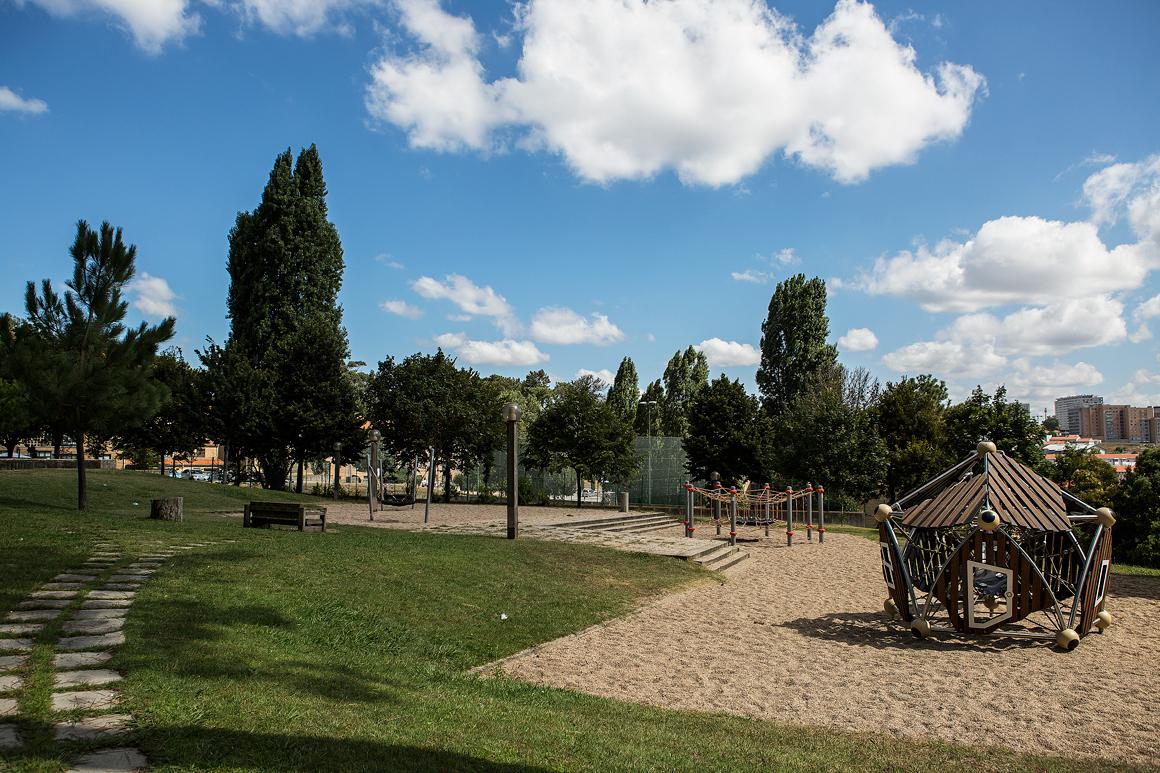
Pasteleira Urban Park
Divisão Municipal Parques Urbanos, retrieved 08/28/2018 from Sidónio Manuel Moreira de Sousa