

Last updated: June 2024
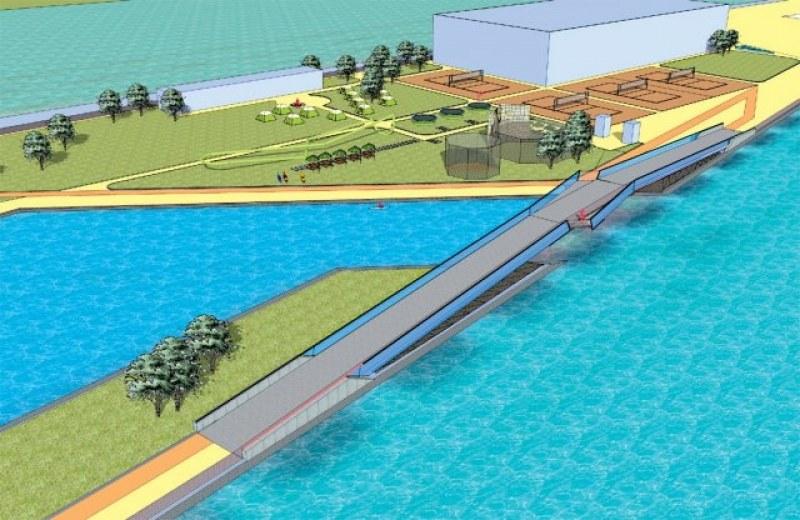
Funded by the ERDF through the financial instrument JESSICA, the aim of the ecopark is to compensate for the tree felling during the construction of the second rowing canal by the river Maritsa, provide a natural place for recreation, and restore the ecological stability of the area. This is accomplished by restoring elements of the natural habitat in the river and the land nearby: trees, terrestrial and water plants, and small islands. (Ref. 1; Ref. 2)
https://trafficnews.bg/bulgaria/vtoriiat-greben-kanalparvostepenno-znachenie-obshtina-133716/
Overview
Nature-based solution
- Blue infrastructure
- Rivers/streams/canals/estuaries
- In-land wetlands, peatlands, swamps, and moors
- Grey infrastructure featuring greens
- Riverbank/Lakeside greens
- Institutional green space
- Parks and urban forests
- Large urban parks or forests
Key challenges
- Green space, habitats and biodiversity (SDG 15)
- Habitat and biodiversity restoration
- Green space creation and/or management
- Regeneration, land-use and urban development
- Promote natural styles of landscape design for urban development
- Health and well-being (SDG 3)
- Enabling opportunities for physical activity
- Creation of opportunities for recreation
- Inclusive and effective governance (SDG 16)
- Effective management
- Social justice, cohesion and equity (SDG 10)
- Environmental education
Focus
Creation of new green areas, Management and improved protection of rivers and other blue areas
Project objectives
- Compensate for the tree felling during the construction of the second rowing canal by the river Maritsa
- Restore the ecological stability of the area
- Provide a natural place for recreation
(Ref. 1; Ref. 2)
Implementation activities
The terrestrial and aquatic habitat of different species of birds and other animals will be restored. This will include planting trees, terrestrial and water plants, and creating small islands. Sports facilities, bike alleys, and other grey infrastructure will be built in order to make the place suitable for recreation. Also, a Green Camp for school children with huts will be established. The Forestry Institute in Sofia has been assigned the task to carry out a study of the physical and ecological condition of the area, which will determine the optimal way of integration of the area into the territory of park Otdih I Kultura and the green system of Plovdiv in general (Ref. 1; Ref. 2; Ref. 3). "The Plovdiv Administrative Court gave the green light to the mega-project for the construction of the largest park in the city, which rejected the appeal of the ecologists. Maritsa Ecopark will cover an area of 655 acres. The area between the Maritsa River and the Parvenetska River is divided into 4 zones, which will operate for several years. 14,000 new trees of local species and 5,000 new shrubs will be planted. Among the many greenery, Plovdiv residents will rest on 300 benches. The park will also have bike lanes and eco-trails, and for children there will be an eco-school with bungalows" (Ref. 8). "The compensation will essentially be expressed in the restoration of endangered habitats and will be realized through ecological restoration of forest and lake habitats, and effective management of the aquatic ecosystem" (Ref. 7).
Biodiversity conservation or restoration-focused activities
Biodiversity restoration:
- Rehabilitate and restore damaged or destroyed ecosystems
- Restore species (native, endangered, or unspecified)
- Public engagement
Main beneficiaries
- Local government/Municipality
- Public sector institution (e.g. school or hospital)
- Citizens or community groups
Governance
Management set-up
- Co-governance with government and non-government actors
Type of initiating organisation
- Local government/municipality
- Non-government organisation/civil society
Participatory approaches/ community involvement
- Dissemination of information and education
Details on the roles of the organisations involved in the project
The NGO Green Balkans proposed to the Municipality of Plovdiv to create the ecopark in order to compensate for the construction of the second rowing station in Plovdiv. The construction is planned on a habitat protected by the European network "Natura 2000" (Ref. 1; Ref. 2) The NGO then criticized the project plan as inadequate, and so it is still negotiated (Ref. 4). The intervention has been approved for financing by the EU's financial instrument JESSICA through the Regional Urban Development Fund in Bulgaria (Ref. 1). The bank Societe Generale also contributes JESSICA (Ref. 2; Ref. 5). The rest of the funding will be provided by the Municipality of Plovdiv (Ref. 6). The Forestry Institute in Sofia has been assigned the task to carry out a study of the physical and ecological condition of the area, which will determine the optimal way of integration of the area into the territory of park Otdih I Kultura and the green system of Plovdiv in general (Ref. 3).
Project implemented in response to ...
... an EU policy or strategy?
Yes
(The project was financed through the JESSICA funding instrument (Ref. 5). The instrument is governed by several legislative provisions, available on http://ec.europa.eu/regional_policy/en/funding/special-support-instruments/jessica/legislation/#1 )
... a national policy or strategy?
Unknown
... a local policy or strategy?
Unknown
Financing
Total cost
More than €4,000,000
Source(s) of funding
- Public local authority budget
- Corporate investment
- EU funds
Type of funding
- Earmarked public budget
- Direct funding (grants, subsidies, or self-financed projects by private entities)
Non-financial contribution
Unknown
Impacts and Monitoring
Environmental impacts
- Water management and blue areas
- Enhanced protection and restoration of freshwater ecosystems
- Green space and habitat
- Increased green space area
- Increased conservation or restoration of ecosystems
- Reduced biodiversity loss
Economic impacts
- Unknown
Socio-cultural impacts
- Health and wellbeing
- Gain in activities for recreation and exercise
- Education
- Increased support for education and scientific research
- Increased knowledge of locals about local nature
Type of reported impacts
Expected impacts
Presence of formal monitoring system
Yes
Presence of indicators used in reporting
No evidence in public records
Presence of monitoring/ evaluation reports
No evidence in public records
Availability of a web-based monitoring tool
No evidence in public records
References
Ref. 1. Арнаудова, Д. (2014). Екопарк "Марица" става водният рай на Пловдив. [online] available at: Source link (Accessed November 1, 2020).
Ref. 2. Source link (2013). Зоната между Гребната база и река Марица става като резервата „Сребърна“. [online] available at: Source link (Accessed November 1, 2020).
Ref. 3. СГ (2013). Екопарк до Гребната база в Пловдив. [online] available at: Source link (Accessed November 1, 2020).
Ref. 4. Стойчев, Г. (2014). Становище относно Доклад за Екологична оценка на Комплексен проект за „Дублиращ Гребен канал – Екопарк Марица”. [online] available at: Source link (Accessed November 1, 2020).
Ref. 5. JESSICA Fund (2013). The fund. [online] available at: Source link (Accessed November 1, 2020).
Ref. 6. Баев, А. (2014). Пловдив с най-добрия гребен канал в света. [online] available at: Source link (Accessed: November 1, 2020).
Ref. 7 JESSICA Fund (2020). Maritsa Eco-park. [online] Available at: Source link (Accessed: November 1, 2020).
Ref. 8 PolitikaPlovdiv (2018). Съдът пусна екопарк “Марица”. Available at: Source link (Accessed: November 1, 2020).
Ref. 9 Андонов, Благовест (2019). Вторият гребен канал – от първостепенно значение за Община Пловдив, ще струва 7 млн. лева. [online] Available at: Source link (Accessed: November 1, 2020).
Ref. 2. Source link (2013). Зоната между Гребната база и река Марица става като резервата „Сребърна“. [online] available at: Source link (Accessed November 1, 2020).
Ref. 3. СГ (2013). Екопарк до Гребната база в Пловдив. [online] available at: Source link (Accessed November 1, 2020).
Ref. 4. Стойчев, Г. (2014). Становище относно Доклад за Екологична оценка на Комплексен проект за „Дублиращ Гребен канал – Екопарк Марица”. [online] available at: Source link (Accessed November 1, 2020).
Ref. 5. JESSICA Fund (2013). The fund. [online] available at: Source link (Accessed November 1, 2020).
Ref. 6. Баев, А. (2014). Пловдив с най-добрия гребен канал в света. [online] available at: Source link (Accessed: November 1, 2020).
Ref. 7 JESSICA Fund (2020). Maritsa Eco-park. [online] Available at: Source link (Accessed: November 1, 2020).
Ref. 8 PolitikaPlovdiv (2018). Съдът пусна екопарк “Марица”. Available at: Source link (Accessed: November 1, 2020).
Ref. 9 Андонов, Благовест (2019). Вторият гребен канал – от първостепенно значение за Община Пловдив, ще струва 7 млн. лева. [online] Available at: Source link (Accessed: November 1, 2020).