

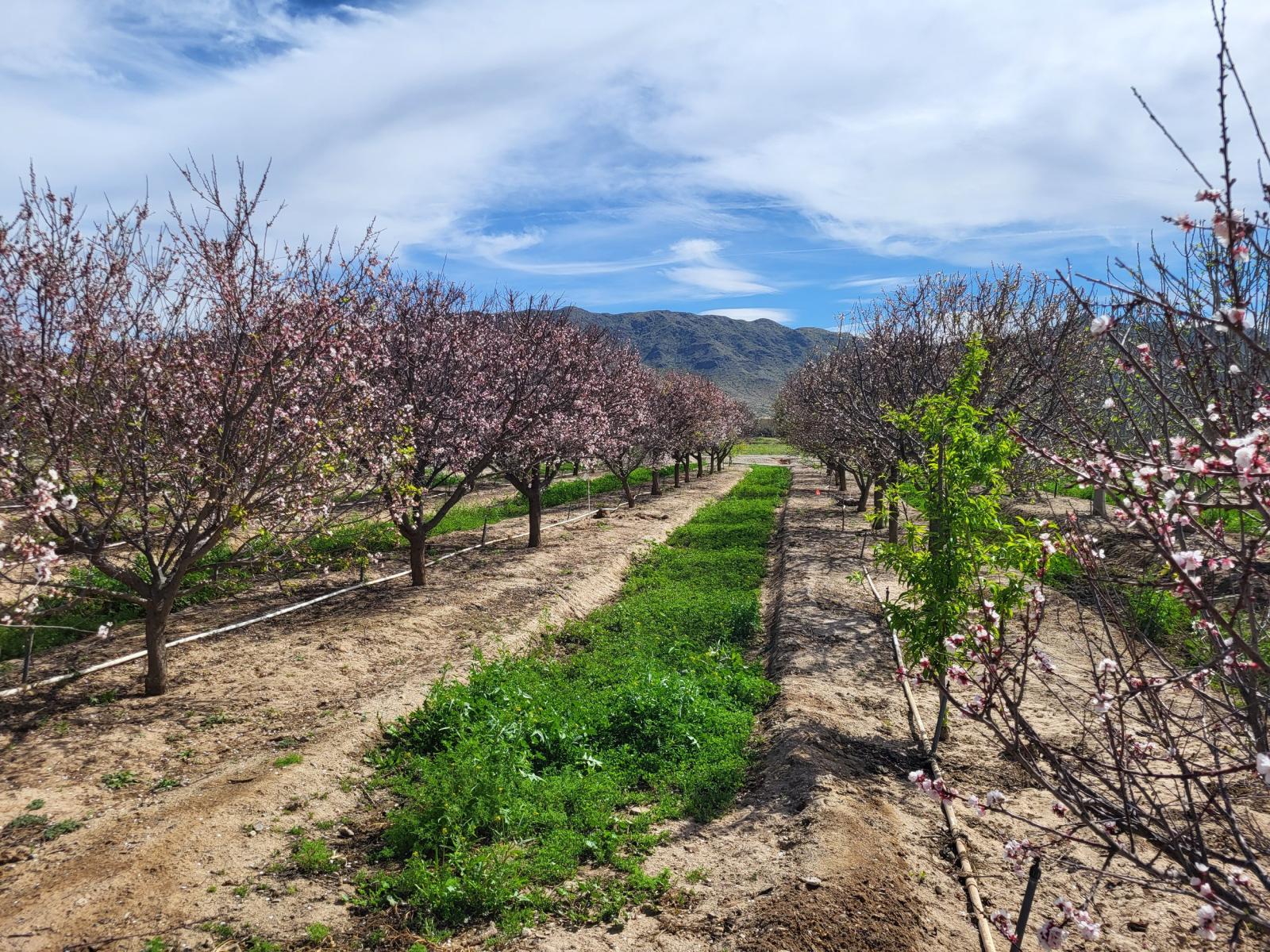
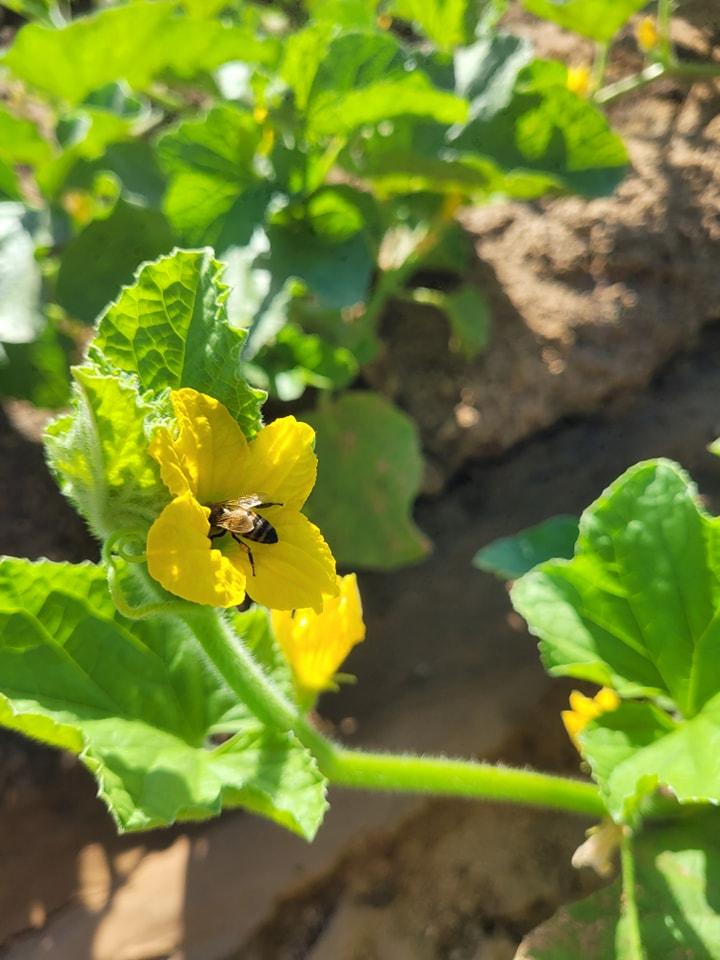
Over the past two decades, as Phoenix’s population has surged since the 1990s, large expanses of farmland have been paved over to make way for urban development. This transformation has increasingly disconnected the city from its agricultural roots. In 2000, Janna Anderson recognized a growing need for local farms to strengthen their ties with the community and for increased access to fresh, locally sourced produce. With a vision to reconnect the community with its agricultural heritage, she purchased a historic orchard property in southern Phoenix, near South Mountain, in 2011. The property, which included a 1918 adobe home, was transformed into a thriving mixed-fruit orchard. At Pinnacle Farms, Janna planted over 1,200 trees, including peaches, apricots, and rare Maktoom Dates, which were brought to the U.S. from Iraq in 1910. These heritage crops have unique flavors and textures not commonly found in grocery stores. In 2015, the farm became certified organic, underscoring Janna’s commitment to sustainable farming practices. Her focus is on cultivating varieties that are uniquely suited to the arid Southwest climate, using methods that conserve water and promote soil health. Janna’s approach to farming also highlights the potential of heritage varieties to support food security in the desert. By growing these rare and resilient crops, she not only preserves biodiversity but also brings attention to how such practices can contribute to a more sustainable, local food system. Pinnacle Farms serves as a living reminder of Phoenix’s agricultural history, a place where fertile soil and sustainable farming practices continue to thrive. The farm embodies the deep agricultural roots of the region, connecting Phoenix’s past to its future and proving that the city’s rich farming tradition is far from lost. (1, 2, 6, 8)
Overview
Nature-based solution
- Community gardens and allotments
- Horticulture
Key challenges
- Climate action for adaptation, resilience and mitigation (SDG 13)
- Climate change adaptation
- Green space, habitats and biodiversity (SDG 15)
- Green space creation and/or management
- Habitat and biodiversity restoration
- Cultural heritage and cultural diversity
- Preservation of natural heritage
- Preservation of historic traditions
- Social justice, cohesion and equity (SDG 10)
- Social justice and equity
- Sustainable consumption and production (SDG 12)
- Sustainable consumption
- Sustainable production
- Food scarcity / security
Principal problems in Functional Urban Area (FUA)
- Land use and Socio-economic change
- Agriculture/ crop production
- Rapid urbanization
- Resource Scarcity and Competition
- Food insecurity due to disruptions in food production and distribution
Key priorities
Focus
Project objectives
Implementation activities
Climate-focused activities
Climate change adaptation:
- Increase the use of or more efficient agroforestry practices (e.g. soil moisture, reduce evaporation) or drought-resistant species for agriculture
Specification of climate or environmentally vulnerable communities
Biodiversity conservation or restoration-focused activities
Biodiversity restoration:
- Restore native species
Main beneficiaries
- Citizens or community groups
- Food producers and cultivators (i.e. farmers, gardeners)
Governance
Management set-up
- Led by non-government actors
Type of initiating organisation
- Citizens or community group
Participatory approaches/ community involvement
- The project didn't involve any form of stakeholder participatory activities
Details on the roles of the organisations involved in the project
Project implemented in response to ...
Type of enablers
Financing
Total cost
Source(s) of funding
- Private funding by citizens
Type of funding
- Unknown
Non-financial contribution
Impacts and Monitoring
Environmental impacts
- Green space and habitat
- Increased green space area
- Achieved increased green space area
- Increased number of species present
- Achieved increased number of species present
- Restoration of derelict areas
- Achieved restoration of derelict areas
- Other
Economic impacts
- Increase in agricultural production (for profit or not)
- Achieved increase in agricultural production (for profit or not)
- Generation of income from NBS
- Achieved generation of income from NBS
Socio-cultural impacts
- Social justice and cohesion
- Increased visibility and opportunity for marginalised groups or indigenous peoples
- Achieved increased visibility and opportunity for marginalised groups or indigenous peoples
- Increased access to healthy/affordable food
- Achieved increased access to healthy/affordable food
- Increased sustainability of agriculture practices
- Achieved increased sustainability of agriculture practices
- Cultural heritage and sense of place
- Protection of historic and cultural landscape / infrastructure
- Achieved protection of historic and cultural landscape / infrastructure
- Increased awareness of flora and fauna as culturally and historically meaningful
- Achieved increased awareness of flora and fauna as culturally and historically meaningful
Type of reported impacts
Presence of formal monitoring system
Presence of indicators used in reporting
Presence of monitoring/ evaluation reports
Availability of a web-based monitoring tool
Potential risks of implementation and trade-offs
References





 Information about this nature-based solution was collected as part of the Naturescapes project funded by the European Union under Grant Agreement No 101084341.