

Last updated: October 2021
The intervention will be carried out in the Zen neighbourhood, as part of an overarching project which includes the care of green areas and plantation of new trees in the parks, especially those close to public schools. There will be 11 specific areas of intervention within the Zen neighbourhood. In addition, it is underlined the specific service provided by those new areas, such as the positive impact of the green view, the mitigation of effects such as urban pollution and human impact on the environment. (Ref.1.)
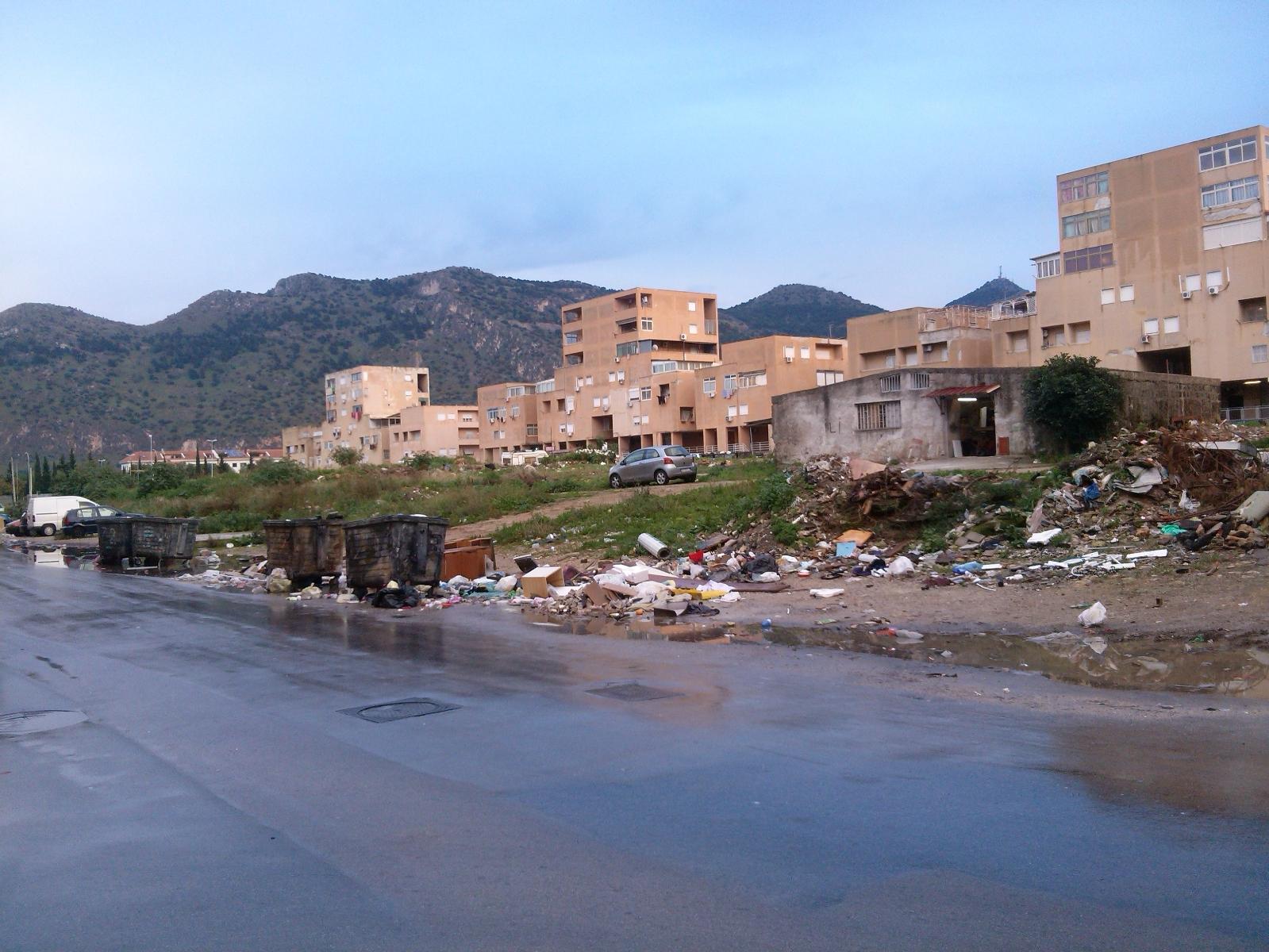
https://palermo.gds.it/articoli/cronaca/2020/04/24/zen-sperone-e-borgo-nuovo-cambieranno-volto-si-al-piano-di-riqualificazione-di-palermo-4b8030d2-baad-4325-9e0b-40ded9e2c9a7/
Overview
Nature-based solution
- Grey infrastructure featuring greens
- Alley or street trees and other street vegetation
- Green playgrounds and school grounds
- Parks and urban forests
- Pocket parks/neighbourhood green spaces
Key challenges
- Green space, habitats and biodiversity (SDG 15)
- Green space creation and/or management
- Environmental quality
- Air quality improvement
- Social justice, cohesion and equity (SDG 10)
- Social cohesion
- Social interaction
Focus
Creation of new green areas
Project objectives
The goal of the intervention is to regenerate the Zen neighbourhood, with a particular focus on green areas. The aim is to create new green areas to reduce human impact and to produce positive effects in terms of health and air quality. In addition, the process aims to produce positive social effects in terms of social inclusion (Ref.2.)
Implementation activities
The planning of activities first concerned the involvement of different stakeholders, namely the municipality, the Coime association (cleaning and plantation activities) and the mobility office within the city. After that, the zones of intervention were established, according to the urgency of the area. (Ref. 1&2)
Main beneficiaries
- Citizens or community groups
- Marginalized groups: Socio-economically disadvantaged populations (e.g. low-income households, unemployed)
- Young people and children
Governance
Management set-up
- Co-governance with government and non-government actors
Type of initiating organisation
- Local government/municipality
Participatory approaches/ community involvement
- Taskforce groups
- Joint implementation (e.g. tree planting)
Details on the roles of the organisations involved in the project
Municipality of Palermo = establishes the intervention, provides financial contribution and assigns the different areas to the departments within the municipality itself
Coime = public agency responsible for cleaning and plantation of the assigned areas
University of Palermo = conducts research on the regeneration of the area
Schools and residents = proposing educational and recreational activities to be performed in the regenerated areas (Ref.1&2)
Project implemented in response to ...
... an EU policy or strategy?
Unknown
... a national policy or strategy?
Yes
(Regeneration processes are regulated at national level by the "Piano nazionale per la rigenerazione urbana sostenibile" (National plan for sustainable urban regeneration) which sets the norms and rules for the regeneration process at local level, and the sustainability challenges which need to be addresses in the process (Ref.5.))
... a local policy or strategy?
Unknown
Financing
Total cost
More than €4,000,000
Source(s) of funding
- Public local authority budget
- Funds provided by non-governmental organization (NGO)
Type of funding
- Direct funding (grants, subsidies, or self-financed projects by private entities)
Non-financial contribution
Unknown
Impacts and Monitoring
Environmental impacts
- Climate change
- Enhanced carbon sequestration
- Green space and habitat
- Increased green space area
- Reduced biodiversity loss
- Increased number of species present
Economic impacts
- Unknown
Socio-cultural impacts
- Safety
- Decreased crime rates
- Social justice and cohesion
- Improved liveability
Type of reported impacts
Expected impacts
Presence of formal monitoring system
Unknown
Presence of indicators used in reporting
Yes
Presence of monitoring/ evaluation reports
No evidence in public records
Availability of a web-based monitoring tool
No evidence in public records
References
Ref.1. Comune di Palermo (2016). Zen. Tre settimane di lavori per la riqualificazione e rigenerazione del quartiere. Available at Source link (Accessed 11-10-2020)
Ref.2. La Repubblica (2016). Palermo, tre settimane per "rigenerare" lo Zen. Available at Source link (Accessed 11-10-2020)
Ref.3. Impresaedilenews (2016). Palermo: piano di riqualificazione del quartiere Zen. Available at Source link (Accessed 11-10-2020)
Ref.4. Univeristà di Palermo (2012) Lo ZEN 2 di Palermo: un laboratorio per il progetto e la gestione del recupero. Available at Source link (Website not available in 2020)
Ref.5. Ministero della Repubblica Italiana (2012). Il Piano Nazionale per la Rigenerazione Urbana Sostenibile. Roma: pp. 1-8
Ref.6, Giornale di Sicilia (2020), Zen, Sperone e Borgo Nuovo cambieranno volto: sì al piano di riqualificazione di Palermo, Available at Source link (Accessed 11-10-2020)
Ref.2. La Repubblica (2016). Palermo, tre settimane per "rigenerare" lo Zen. Available at Source link (Accessed 11-10-2020)
Ref.3. Impresaedilenews (2016). Palermo: piano di riqualificazione del quartiere Zen. Available at Source link (Accessed 11-10-2020)
Ref.4. Univeristà di Palermo (2012) Lo ZEN 2 di Palermo: un laboratorio per il progetto e la gestione del recupero. Available at Source link (Website not available in 2020)
Ref.5. Ministero della Repubblica Italiana (2012). Il Piano Nazionale per la Rigenerazione Urbana Sostenibile. Roma: pp. 1-8
Ref.6, Giornale di Sicilia (2020), Zen, Sperone e Borgo Nuovo cambieranno volto: sì al piano di riqualificazione di Palermo, Available at Source link (Accessed 11-10-2020)