

Last updated: October 2021
The multifunctional Southern City Park in Nurnberg was organized in the place of the large car park alongside the railway. Construction of the new green area between Celtisplatz and Tafelfeldstrasse was built in three construction sections. In the western part, the green playground with cableway, slide and climbing rocks was arranged, the Karl-Bröger-Platz was equipped with benches and a fountain, whereas to the east a large green area with 76 newly planted trees was established (1, 4) Perennial plantings were arranged in eastern section of the park, which members of the Bund Naturschutz maintain on a voluntary basis. The park is also a place where social and cultural events are organized. (4)
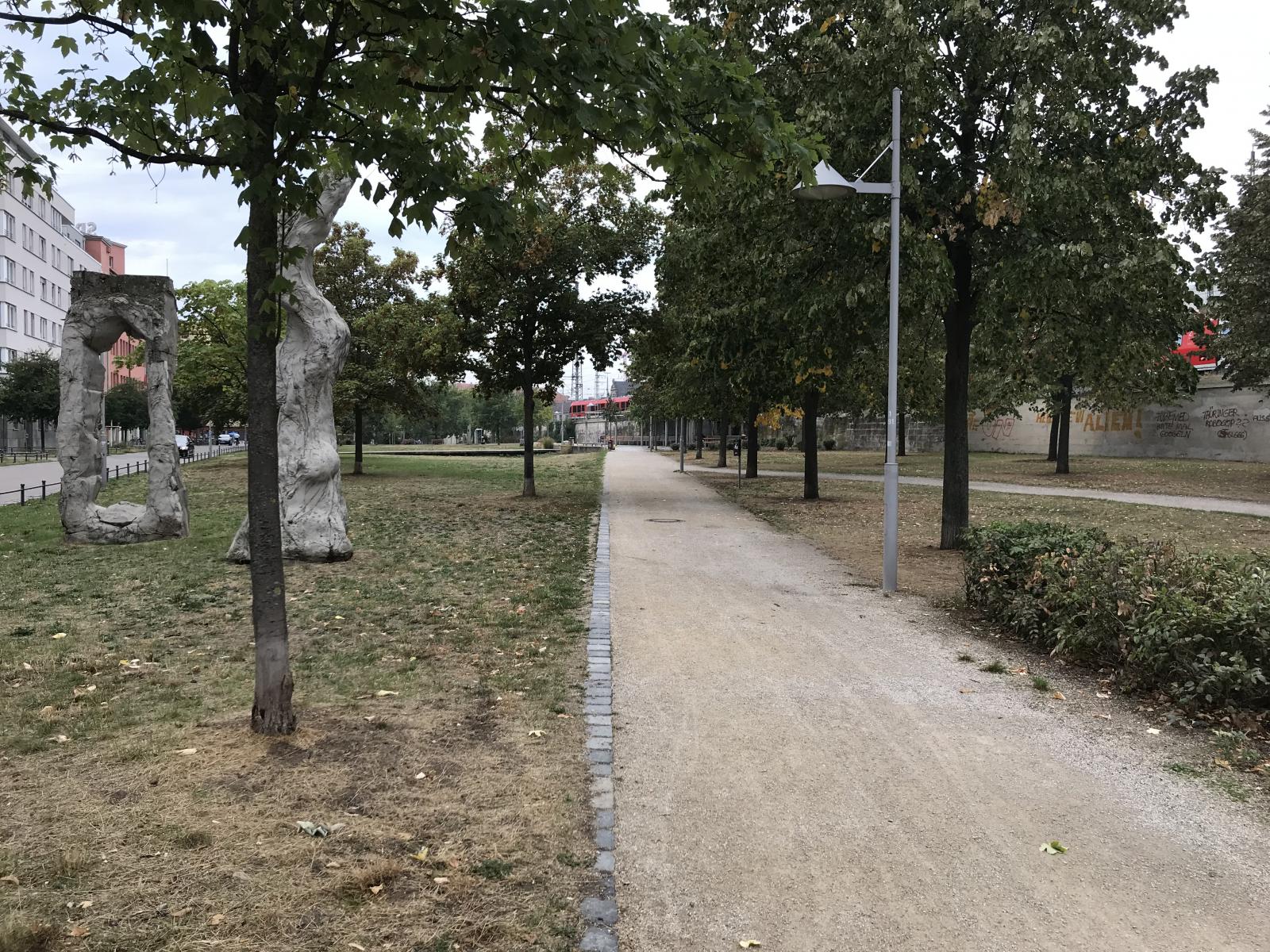
Southern City Park
Photographer: Ursula Beck, retrieved 09/20/2018 from Data Exchange Service (City of Nürnberg)
Overview
Nature-based solution
- Grey infrastructure featuring greens
- Alley or street trees and other street vegetation
- Railroad bank and track greens
- Green playgrounds and school grounds
- Parks and urban forests
- Pocket parks/neighbourhood green spaces
Key challenges
- Green space, habitats and biodiversity (SDG 15)
- Green space creation and/or management
- Regeneration, land-use and urban development
- Promote natural styles of landscape design for urban development
- Health and well-being (SDG 3)
- Enabling opportunities for physical activity
- Creation of opportunities for recreation
Focus
Creation of new green areas
Project objectives
1. Balance densely built areas of the Southern part of the city with the creation of green space and increasing liveability. (1)
2. Decrease the negative impact of the railway facilities going through the area (1)
Implementation activities
In 1989, an urban planning competition was carried out for the creation of the “Südstadtpark”. The Nuremberg landscape architect Walter Stadelmann was the winner of the competition and thus the planner of the park. In 1995 the construction of the green area began. The park was implemented in several construction phases. The construction work completed in 2000. As part of the implementation, parking lots dismantled were dismantled, 76 trees were planted, a playground and a fountain were installed, and benches and water fountains were placed in the park. (1).
Main beneficiaries
- Citizens or community groups
Governance
Management set-up
- Government-led
Type of initiating organisation
- Local government/municipality
Participatory approaches/ community involvement
- Unknown
Details on the roles of the organisations involved in the project
The project was led and initiated by the local government and planning was completed by a landscape architect W. Stadtelmann. (1) The costs amounted to 1.3 million euros, with 957,000 euros subsidized with urban renewal funds. Members of the association Bund Naturschutz maintain trees in the park on a voluntary basis. (4)
The project is realized within the federal-state program "Social City" (since 1999) (1) It focuses on stabilizing and upgrading economically and socially deprived, run down quarters and communities (2). Within this program, environmental conditions of the disadvantaged areas are also being improved. The regeneration of the Southern City Park in Nurnberg was implemented under this umbrella. (1)
Project implemented in response to ...
... an EU policy or strategy?
Unknown
... a national policy or strategy?
Yes
(The project is realized within the federal-state program "Social City" (since 1999) (1) It focuses on stabilizing and upgrading economically and socially deprived, run down quarters and communities (2). Within this program, environmental conditions of the disadvantaged areas are also being improved. The regeneration of the Southern City Park in Nurnberg was implemented under this umbrella. (1))
... a local policy or strategy?
Unknown
Financing
Total cost
€500,000 - €2,000,000
Source(s) of funding
- Public local authority budget
Type of funding
- Earmarked public budget
Non-financial contribution
Unknown
Impacts and Monitoring
Environmental impacts
- Green space and habitat
- Increased green space area
- Increased number of species present
- Restoration of derelict areas
- Other
Economic impacts
- Stimulate development in deprived areas
Socio-cultural impacts
- Social justice and cohesion
- Fair distribution of social, environmental and economic benefits of the NBS project
- Improved liveability
- Improved access to urban green space
- Increased visibility and opportunity for marginalised groups or indigenous peoples
- Increased opportunities for social interaction
- Health and wellbeing
- Gain in activities for recreation and exercise
- Cultural heritage and sense of place
- Promotion of cultural diversity
- Improvement in people’s connection to nature
- Increased sense of place identity, memory and belonging
- Other
Type of reported impacts
Achieved impacts
Presence of formal monitoring system
Unknown
Presence of indicators used in reporting
No evidence in public records
Presence of monitoring/ evaluation reports
No evidence in public records
Availability of a web-based monitoring tool
No evidence in public records
References
1. Münicipaliy of Nürnberg. (2016). Tatort Stadterneuerung. Available at: Source link [Accessed: 2 Oct. 2020]
2. Federal Ministry of the Interior, Building and Community. (2016). Social City Source link unavailable in 2020].
3. Cramer, C., Strauss. (nd.) W.-C. Nürnberg – Galgenhof-Steinbühl. Available at: Source link [2 Oct. 2020].
4. Wikipedia. (2020). Südstadtpark (Nürnberg). [online]. Available at: Source link [Accessed: 2 Oct. 2020].
2. Federal Ministry of the Interior, Building and Community. (2016). Social City Source link unavailable in 2020].
3. Cramer, C., Strauss. (nd.) W.-C. Nürnberg – Galgenhof-Steinbühl. Available at: Source link [2 Oct. 2020].
4. Wikipedia. (2020). Südstadtpark (Nürnberg). [online]. Available at: Source link [Accessed: 2 Oct. 2020].
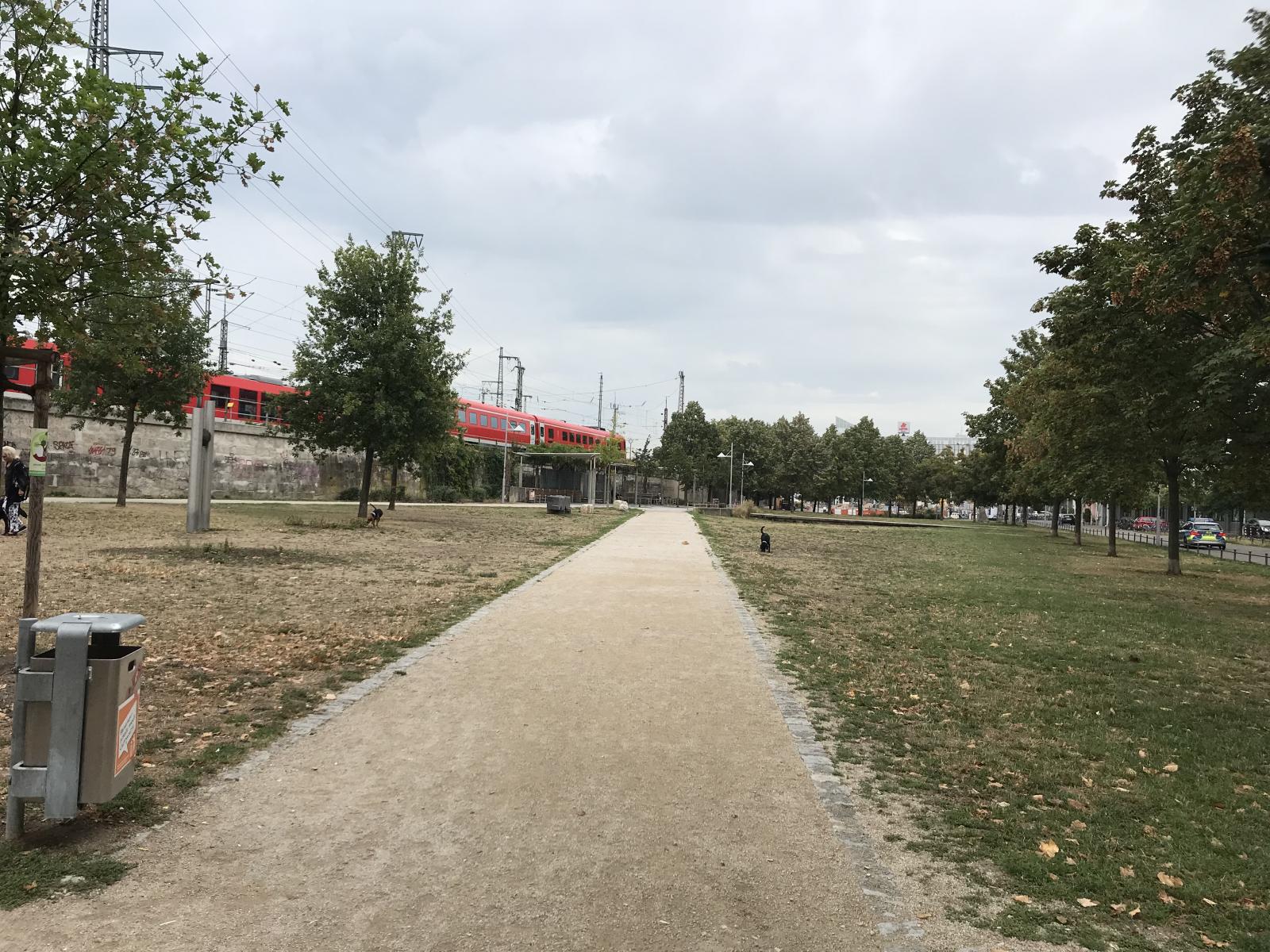
Southern City Park
Photographer: Ursula Beck, retrieved 09/20/2018 from Data Exchange Service (City of Nürnberg)