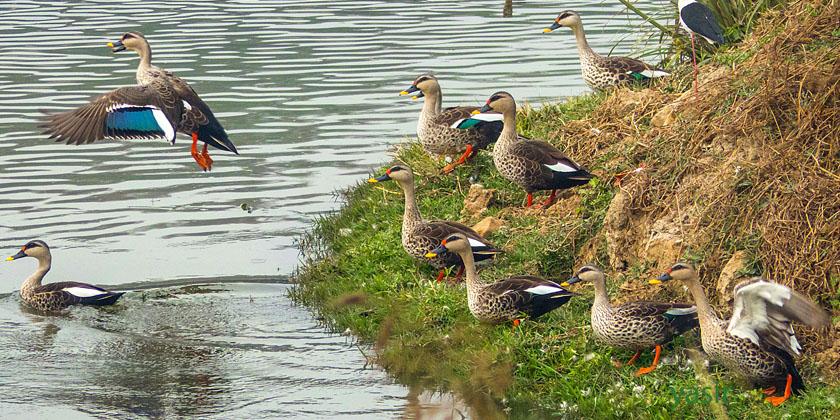
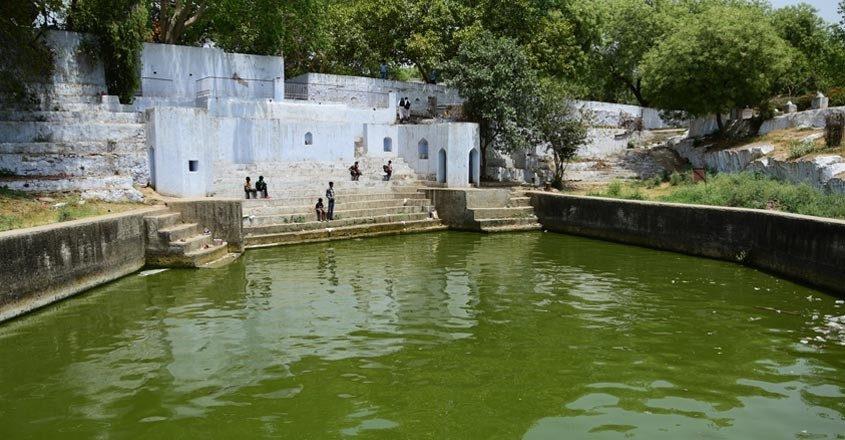
The Neela Hauz lake, part of the Neela Hauz biodiversity park, is a natural depression that was once a major source of drinking water for south Delhi, India (Ref 1). Due to nearby road construction and neglect, the lake was filled with solid waste and construction debris for many years. In 2015, based on the request of neighbourhood colonies, the Delhi High Court ordered the restoration of the lake. The Delhi Development Authority (DDA), in collaboration with the Centre for Environmental Management of Degraded Ecosystem (CEMDE) of the University of Delhi, carried out the restoration and revival of the lake using a Constructed Wetland System (CWS). Using the help of natural landscaping composed of oxidation ponds, pebble beds, and furrows having aquatic plants, now the sewage from nearby residential colonies is treated before passing it to the lake (Ref 2). The wetland now converts approximately 1 million litres of sewage per day which has resulted in satisfactory water quality levels (Ref 1). The lake, along with the surrounding biodiversity park, attracts many migratory birds and is also a tourist attraction point in the city. The success story of the lake now has become a model case for the revival of other lakes in the city (Ref 1).
Overview
Nature-based solution
- Blue infrastructure
- Lakes/ponds
- In-land wetlands, peatlands, swamps, and moors
- Parks and urban forests
- Large urban parks or forests
Key challenges
- Green space, habitats and biodiversity (SDG 15)
- Habitat and biodiversity restoration
- Habitat and biodiversity conservation
- Green space creation and/or management
- Regeneration, land-use and urban development
- Promote natural styles of landscape design for urban development
- Water management (SDG 6)
- Stormwater and rainfall management and storage
- Improvements to water quality
- Health and well-being (SDG 3)
- Creation of opportunities for recreation
- Inclusive and effective governance (SDG 16)
- Inclusive governance
- Effective management
- Social justice, cohesion and equity (SDG 10)
- Environmental education
- Economic development and employment (SDG 8)
- Tourism support
Focus
Project objectives
Implementation activities
Biodiversity conservation or restoration-focused activities
Biodiversity conservation:
- Protect and enhance urban habitats
- Promote environmentally-sound development in and around protected areas
- Protect species
- Undertake specific measures to protect species
- Undertake specific measures to protect native species
- Means for conservation governance
- Create and use scientific knowledge for conservation
Biodiversity restoration:
- Rehabilitate and restore damaged or destroyed ecosystems
- Restore species (native, endangered, or unspecified)
- Restore native species
Main beneficiaries
- Local government/Municipality
- Researchers/University
- Citizens or community groups
Governance
Management set-up
- Co-governance with government and non-government actors
Type of initiating organisation
- Local government/municipality
- Researchers/university
Participatory approaches/ community involvement
- Joint implementation (e.g. tree planting)
Details on the roles of the organisations involved in the project
Project implemented in response to ...
Financing
Total cost
Source(s) of funding
- Public local authority budget
Type of funding
- Earmarked public budget
Non-financial contribution
Impacts and Monitoring
Environmental impacts
- Environmental quality
- Improved waste management
- Water management and blue areas
- Improved water quality
- Improved stormwater management
- Enhanced protection and restoration of freshwater ecosystems
- Green space and habitat
- Increased conservation or restoration of ecosystems
- Reduced biodiversity loss
- Increased number of species present
- Restoration of derelict areas
Economic impacts
- Unknown
Socio-cultural impacts
- Health and wellbeing
- Gain in activities for recreation and exercise
- Cultural heritage and sense of place
- Increased appreciation for natural spaces
- Education
- Increased support for education and scientific research
Type of reported impacts
Presence of formal monitoring system
Presence of indicators used in reporting
Presence of monitoring/ evaluation reports
Availability of a web-based monitoring tool
References
2. Delhi Biodiversity Foundation (no date), available at Source link (accessed 23-01-2023)
3. Singh P 2019, Once a dumping ground, Neela Hauz now a soothing site. Business Standard, 17 May, Source link (accessed 23-01-2023)
4. Onmanorama news: Neela Hauz: A dumping ground transformed into scenic landscape, 17 May 2019, viewed on 15 February 2023, Source link (accessed 23-01-2023)