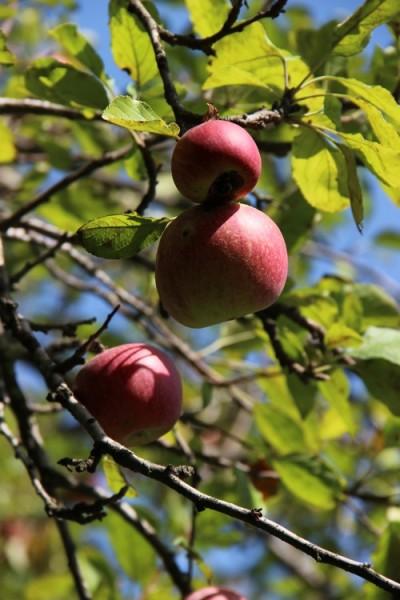
The green area which surrounds the famous museum has been renewed in the last years. It is an interesting site of botanic interest, as there are more than 400 species of plants living there, and more than 150.000 trees. In particular, the company Slow Food Campania cultivated a small vegetable garden. Is a project of small- scale agriculture, in order to enhance a variety of cultivation and biodiversity conservation. The company Slow Food has been supported by the company Lande srl, specialized in the revitalization of historical green areas at the urban level (Ref.1). The interventions include the restoration and re-functionalization of 10 areas: the Garden and Casamento Torre, the Giardino della Fruttiera di basso, the Fagianeria, the Capraia, the Porta di Mezzo, the Cisternone, the Cellaio, the Vallone di San Gennaro, the ex Eremo dei Cappuccini (Ref.1).

Overview
Nature-based solution
- Parks and urban forests
- Large urban parks or forests
- Community gardens and allotments
- Community gardens
Key challenges
- Green space, habitats and biodiversity (SDG 15)
- Green space creation and/or management
- Sustainable consumption and production (SDG 12)
- Sustainable production
Focus
Project objectives
Implementation activities
Main beneficiaries
- Citizens or community groups
- Food producers and cultivators (i.e. farmers, gardeners)
Governance
Management set-up
- Co-governance with government and non-government actors
Type of initiating organisation
- Regional government
Participatory approaches/ community involvement
- Unknown
Details on the roles of the organisations involved in the project
Project implemented in response to ...
Financing
Total cost
Source(s) of funding
- EU funds
Type of funding
- Direct funding (grants, subsidies, or self-financed projects by private entities)
Non-financial contribution
Impacts and Monitoring
Environmental impacts
- Green space and habitat
- Increased green space area
- Reduced biodiversity loss
Economic impacts
- Unknown
Socio-cultural impacts
- Social justice and cohesion
- Increased involvement of locals in the management of green spaces
- Increased sustainability of agriculture practices
- Education
- Increased support for education and scientific research
- Increased knowledge of locals about local nature
- Other
Type of reported impacts
Presence of formal monitoring system
Presence of indicators used in reporting
Presence of monitoring/ evaluation reports
Availability of a web-based monitoring tool
References
Ref.2. Poinattrattori (2013). Presentazione Programma Operativo Interregionale "Attrattori culturali, naturali e turismo". Available at Source link (Accessed 13-9-2020)
Ref.3. Gastronomiamediterranea (2013). Gli orti del Real bosco di Capodimonte. Available at Source link (Accessed 13-9-2020)
Source link di Napoli (2011). Il verde a Napoli. Available at Source link (Accessed 13-9-2020)
Ref.5. Angelini, G. (2015). Il Real bosco di Capodimonte: una strategia sostenibile per la valorizzazione del sito. Direzione Regionale per i beni culturali e paesaggistici della Campania. Napoli: Programma Operativo Interregionale (POIn) "Attrattori culturali, naturali e turismo" (P.O.FESR 2012 - 13), pp. 1-68
6.PositanoNews (2012), Il REAL BOSCO DI CAPODIMONTE verso un grande progetto di valorizzazione, Available at Source link (Accessed 13-9-2020)