

Last updated: October 2021
In 2014 a counselling office of the NGO Green City was established, entitled The Greening Office (Begrünungsbüro), with the objective of better engaging citizens in green adaptation measures, such as green roofs, green façades, green walls or green courtyards (Reference 1, 5). Financed by the City’s Department of Health and Environment, the project addresses climate change adaptation through greening private properties, achieved through counselling citizens and companies, with diverse outreach and networking activities. The NBS recognised the potential of the many unused private spaces, such as south-facing facades and flat roofs to better adapt to climate change across the entire city (Reference 1).

https://www.greencity.de/wp-content/uploads/2014-begruenungsbuero-borstei-1200x900.jpg
Overview
Nature-based solution
- Nature on buildings (external)
- Green roofs
- Green walls or facades
- Balcony greens
- Grey infrastructure featuring greens
- Alley or street trees and other street vegetation
- House gardens
- Green parking lots
Key challenges
- Climate action for adaptation, resilience and mitigation (SDG 13)
- Climate change adaptation
- Climate change mitigation
- Water management (SDG 6)
- Flood protection
- Stormwater and rainfall management and storage
- Green space, habitats and biodiversity (SDG 15)
- Habitat and biodiversity conservation
- Green space creation and/or management
- Environmental quality
- Air quality improvement
- Noise reduction
- Regeneration, land-use and urban development
- Promote natural styles of landscape design for urban development
Focus
Creation of new green areas, Maintenance and management of urban nature
Project objectives
- Impact the whole city through a new approach towards buildings;
- Increase the number of private greening projects/measures;
- Increase green spaces for the citizens of Munich;
- Make Munich more lively, green, less dominated by cars, and to create space for nature and people in the city; (Reference 1)
- Climate change mitigation: reducing the CO2 emissions of buildings through the insulation that the green elements provide;
- Climate change adaptation: reduce the heat island effect (Reference 1, 5);
- With the message that "Every building can be landscaped", the Greening Office aims at providing expert recommendations on the greening possibilities from the planning phase of new construction, as well as the inclusion of green infrastructure in existing commercial and residential buildings (Reference 5).
Implementation activities
Activities offered by the Greening Office:
- analysis,
- information,
- consulting,
- public relations,
- networking,
- professional recommendations/ guidance
- the realisation of concrete measures (Reference 1)
The number of green buildings across Munich was mapped (Reference 5).
Climate-focused activities
Climate change adaptation:
- Increase or improve urban vegetation cover to help reduce outdoor temperature
- Implement green walls or roofs to lower indoor temperature and provide insulation
- Create or improve outdoor spaces to help people escape from urban heat
Climate change mitigation:
- Install vertical or horizontal artificial surfaces that help with carbon storage and cooling
Biodiversity conservation or restoration-focused activities
Biodiversity conservation:
- Protect and enhance urban habitats
- Preserve and strengthen existing habitats and ecosystems
- Create new habitats
Main beneficiaries
- Citizens or community groups
- Other
Governance
Management set-up
- Co-governance with government and non-government actors
Type of initiating organisation
- Local government/municipality
- Non-government organisation/civil society
Participatory approaches/ community involvement
- Dissemination of information and education
- Consultation (e.g. workshop, surveys, community meetings, town halls)
- Citizen science
Details on the roles of the organisations involved in the project
Since 2003, the city has sponsored an advice center, the "Greening Office" of the environmental organization Green City, with 100,000 euros a year. (Reference 7) The Greening Office was created through financing by the Department of Health and Environment, City of Munich and is co-financed by the NGO.
Project implemented in response to ...
... an EU policy or strategy?
Unknown
... a national policy or strategy?
Unknown
... a local policy or strategy?
Yes
(The City of Munich has introduced policies supporting the development and maintenance of green areas, including the urban development strategy (Munich, 2010 Ref. 2), its policy/guideline on ecological planning (Munich, 2012 Ref. 3), and the city’s climate protection strategy (IHKM, 2012 Ref. 4) (Ref.1). )
Financing
Total cost
Unknown
Source(s) of funding
- Public local authority budget
- Funds provided by non-governmental organization (NGO)
Type of funding
- Earmarked public budget
- Direct funding (grants, subsidies, or self-financed projects by private entities)
Non-financial contribution
Unknown
Impacts and Monitoring
Environmental impacts
- Climate change
- Reduced emissions
- Environmental quality
- Improved air quality
- Reduced noise exposure
- Water management and blue areas
- Increased protection against flooding
- Improved stormwater management
- Green space and habitat
- Increased green space area
- Reduced biodiversity loss
Economic impacts
- Increase of green jobs (e.g. paid employment positions)
Socio-cultural impacts
- Health and wellbeing
- Improved mental health
- Education
- Increased awareness of NBS and their benefits
Type of reported impacts
Achieved impacts
Presence of formal monitoring system
Yes
Presence of indicators used in reporting
Yes
Presence of monitoring/ evaluation reports
Yes
Availability of a web-based monitoring tool
No evidence in public records
References
Ref 1. Kiss, B., Wamsler, C. (2018) NATURVATION – Case Study Working Paper, Munich.
Ref 2. Munich. (2010). Perspective Munich: Strategies, Guidelines, Regulations. City of Munich, Department of Urban Planning and Building Regulation. [online] (Unavailable in 2020)
Ref 3. Munich. (2012). Leitlinie Ökologie: Teil Klimawandel und Klimaschutz. City of Munich, Department of Urban Planning and Building Regulation. [online] (Unavailable in 2020)
Ref 4. IHKM. (2012). Integriertes Handlungsprogramm Klimaschutz in München. Klimaschutzprogramm 2013. City of Munich. Available at: Source link [Accessed: 03 Aug. 2020]
5. Ref 5. GreenCity eV (2018) Greening office. [online] Available at: Source link [Accessed: 04 Aug. 2020]
Reference 6: Green City. (2015). Vorteile der Gebäudebegrünung: Übersicht für die Münchner Stadtgesellschaft. Second edition. Available at: Source link [Accessed: 03 Aug. 2020]
Reference 7: Source link. (2017) Magere Bilanz. [online]. Available at: Source link [Accessed: 03 Aug. 2020]
Ref 2. Munich. (2010). Perspective Munich: Strategies, Guidelines, Regulations. City of Munich, Department of Urban Planning and Building Regulation. [online] (Unavailable in 2020)
Ref 3. Munich. (2012). Leitlinie Ökologie: Teil Klimawandel und Klimaschutz. City of Munich, Department of Urban Planning and Building Regulation. [online] (Unavailable in 2020)
Ref 4. IHKM. (2012). Integriertes Handlungsprogramm Klimaschutz in München. Klimaschutzprogramm 2013. City of Munich. Available at: Source link [Accessed: 03 Aug. 2020]
5. Ref 5. GreenCity eV (2018) Greening office. [online] Available at: Source link [Accessed: 04 Aug. 2020]
Reference 6: Green City. (2015). Vorteile der Gebäudebegrünung: Übersicht für die Münchner Stadtgesellschaft. Second edition. Available at: Source link [Accessed: 03 Aug. 2020]
Reference 7: Source link. (2017) Magere Bilanz. [online]. Available at: Source link [Accessed: 03 Aug. 2020]
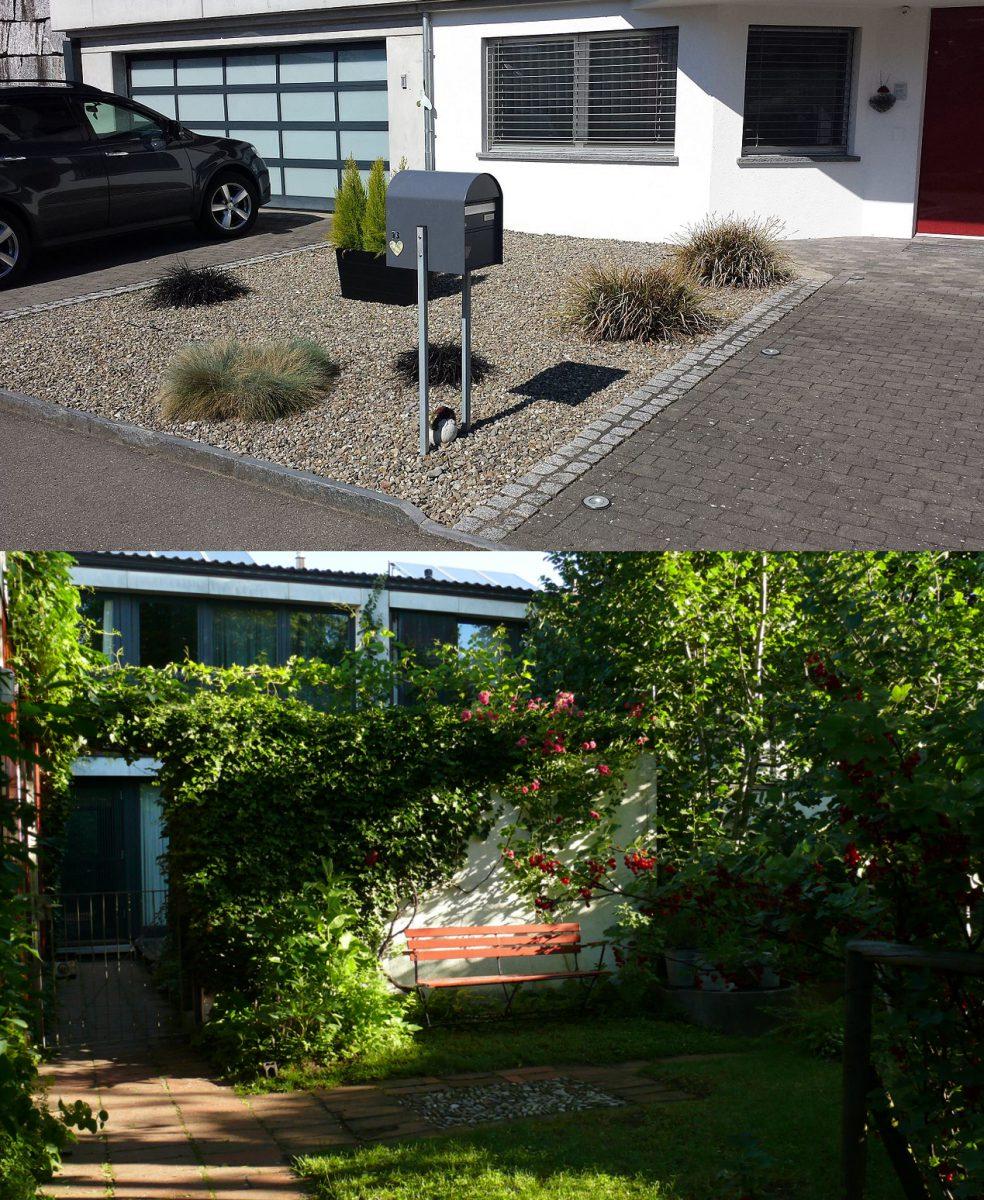
Greening Office for Citizens
Source: https://www.greencity.de/projekt/begruenungsbuero/
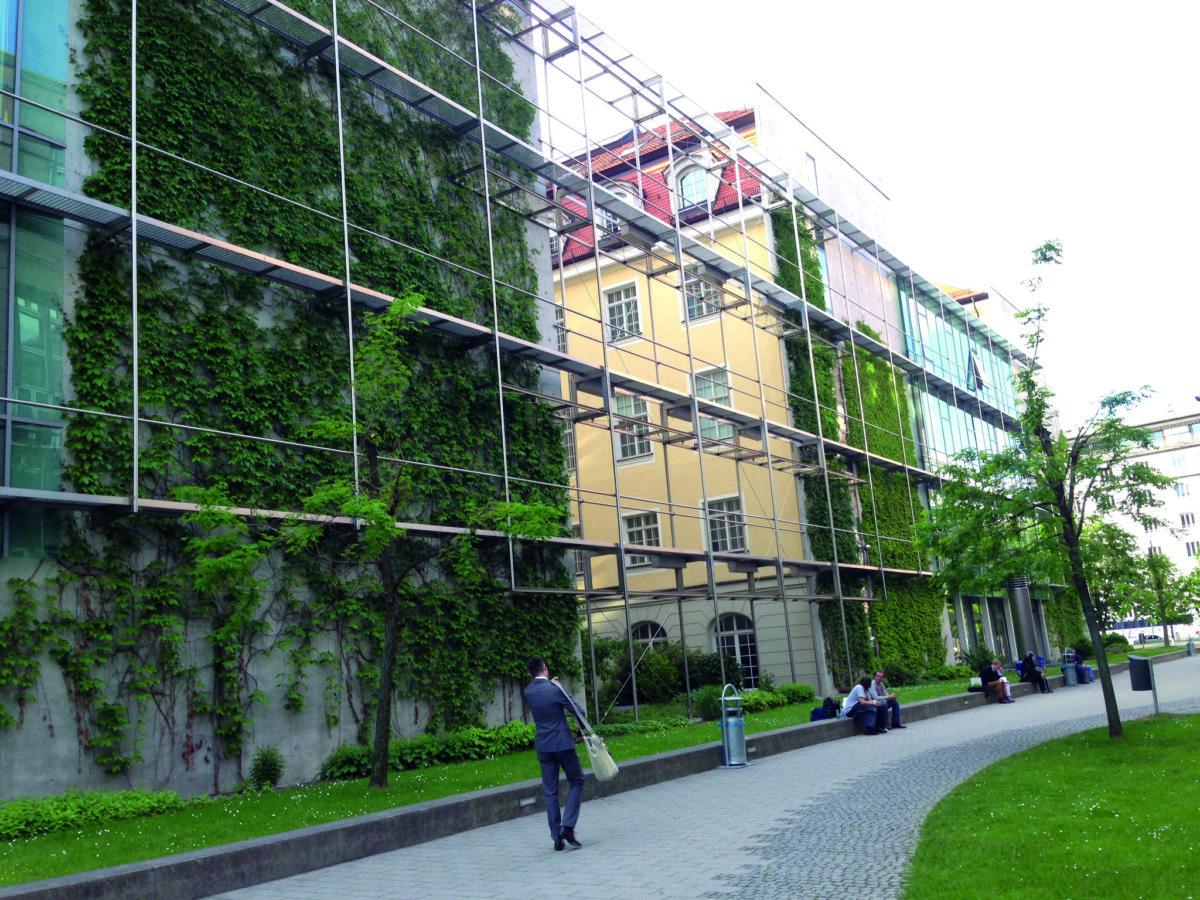
Greening Office for Citizens
Source: https://www.greencity.de/projekt/begruenungsbuero/
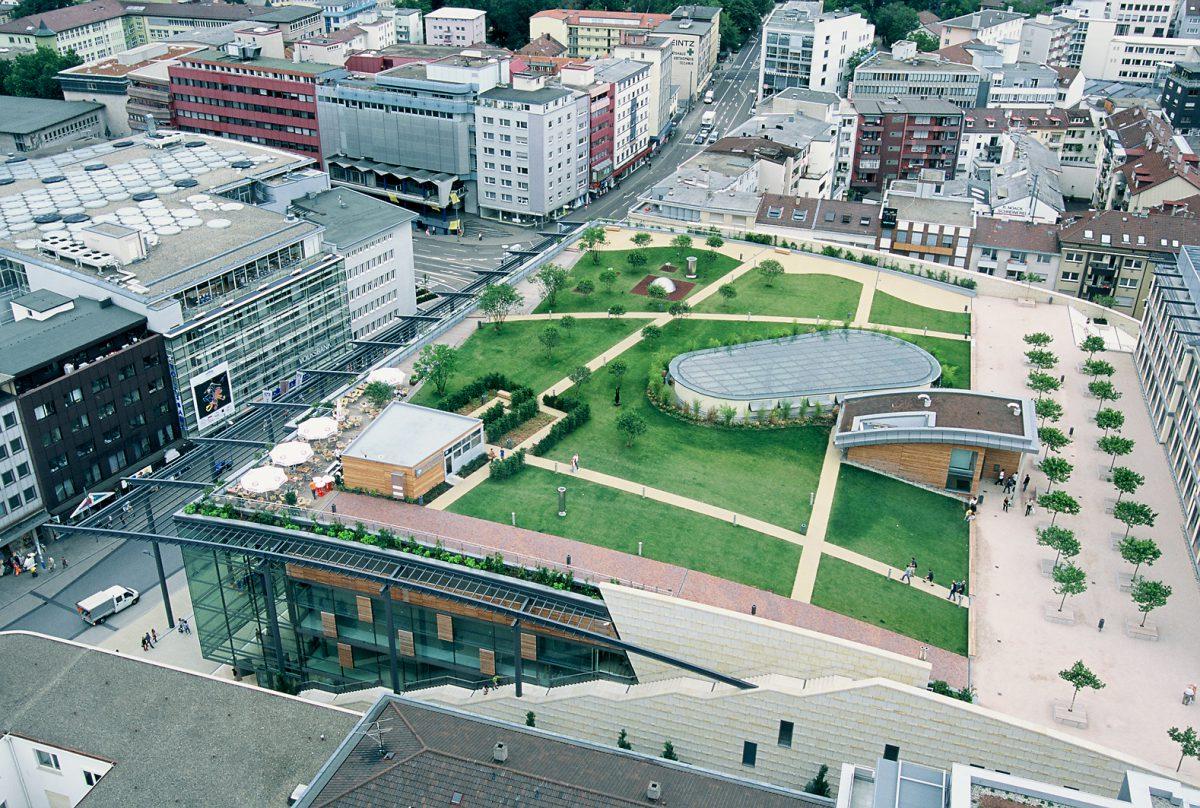
Greening Office for Citizens
Source: https://www.greencity.de/projekt/begruenungsbuero/