

Last updated: April 2022
The construction of "the biggest vertical garden in Uruguay" was completed in 2014 (Ref. 1). The vertical garden has an area of 300m2 and contains over 6,000 plants, of which most are endemic, comprising 35 species and 10 different families (Ref. 2). In addition to being aesthetically pleasing, the garden is intended to reduce temperature, produce oxygen and offset greenhouse gas emissions. It is thought to "contribute...to the filtration of approximately 165 tons of gases per year and [be] capable of producing the necessary oxygen for 255 people, in addition to trapping 130 kilos of dust" (Refs. 2 & 3).

Celebra Building Vertical Wall
https://www.archilovers.com/projects/184441/vertical-garden-in-uruguay.html
Overview
Nature-based solution
- Nature on buildings (external)
- Green walls or facades
Key challenges
- Climate action for adaptation, resilience and mitigation (SDG 13)
- Climate change adaptation
- Environmental quality
- Air quality improvement
- Green space, habitats and biodiversity (SDG 15)
- Habitat and biodiversity conservation
- Green space creation and/or management
Focus
Creation of new green areas
Project objectives
The goals behind the implementation of the green wall are mostly related to increasing vegetation area, with the designed space allowing for approximately 6000 plants to be included in the structure (Ref. 3), and with a focus on mainly including endemic plants (35 different species and 10 families)(Refs. 1 & 3).
Other goals related to the implementation of the green wall include:
-Temperature reduction (both outdoors and within the building);
- Production of oxygen and capturing greenhouse gas emissions from vehicles and industries in urban areas (Ref. 2), and also trapping of dust and heavy metals (Ref. 3).
Lastly, in designing and implementing this green wall, the designer of the wall, Ignacio Solana, laid out his intention to "work...with the botany of each place, generating a kind of botanical museum on a wall" (Ref. 3).
Implementation activities
The wall on which the vertical garden was to be constructed was "made up of various fibers that will maintain moisture through an artificial fertigation system with small pockets" (Ref. 3). As above, approximately 6000 individual plants were added to the wall, comprising 35 species and 10 families (Ref. 3).
Climate-focused activities
Climate change adaptation:
- Increase or improve urban vegetation cover to help reduce outdoor temperature
- Implement green walls or roofs to lower indoor temperature and provide insulation
Biodiversity conservation or restoration-focused activities
Biodiversity conservation:
- Protect species
- Undertake specific measures to protect species
- Undertake specific measures to protect native species
Main beneficiaries
- Private sector/Corporate/Company
Governance
Management set-up
- Led by non-government actors
Type of initiating organisation
- Private sector/corporate actor/company
Participatory approaches/ community involvement
- Unknown
Details on the roles of the organisations involved in the project
The building on which the green wall was developed, Celebra Building, was commissioned by Zonamerica and designed by Carlos Ott Architects in association with Carlos Ponce de Leon Architects (Ref. 4). The wall itself was developed and implemented by Ignacio Solano and the Paisajismo Urbano Team (Ref. 1).
Project implemented in response to ...
... an EU policy or strategy?
No
... a national policy or strategy?
No
... a local policy or strategy?
No
Financing
Total cost
Unknown
Source(s) of funding
- Unknown
Type of funding
- Unknown
Non-financial contribution
Unknown
Impacts and Monitoring
Environmental impacts
- Climate change
- Lowered local temperature
- Enhanced carbon sequestration
- Environmental quality
- Improved air quality
- Green space and habitat
- Increased green space area
- Increased number of species present
Economic impacts
- Unknown
Socio-cultural impacts
- Social justice and cohesion
- Improved access to urban green space
- Other
Type of reported impacts
Achieved impacts
Presence of formal monitoring system
No
Presence of indicators used in reporting
No
Presence of monitoring/ evaluation reports
No
Availability of a web-based monitoring tool
No
References
1. Archilovers (2014). Vertical garden in Uruguay: Celebra building. Bari: Archilovers. Source link
2. Infobae (2021). Algunos de los jardines verticales más grandes del mundo están en América Latina: cuáles son; Some of the largest vertical gardens in the world are in Latin America: what are they. Buenos Aires: Infobae. Source link
3. Castro, K. (2014). Paisajista reconocido trabaja en el jardín vertical más grande de Uruguay; Renowned landscaper works on the largest vertical garden in Uruguay. Luxembourg: Nuevo Mujer, Metro World News. Source link
4. Ponce de Leon Architects (n.d.). Celebra. Monevideo: Ponce de Leon Architects. Source link.
2. Infobae (2021). Algunos de los jardines verticales más grandes del mundo están en América Latina: cuáles son; Some of the largest vertical gardens in the world are in Latin America: what are they. Buenos Aires: Infobae. Source link
3. Castro, K. (2014). Paisajista reconocido trabaja en el jardín vertical más grande de Uruguay; Renowned landscaper works on the largest vertical garden in Uruguay. Luxembourg: Nuevo Mujer, Metro World News. Source link
4. Ponce de Leon Architects (n.d.). Celebra. Monevideo: Ponce de Leon Architects. Source link.

Celebra Building Vertical Wall
https://www.archilovers.com/projects/184441/vertical-garden-in-uruguay.html

Celebra Building Vertical Wall
https://www.archilovers.com/projects/184441/vertical-garden-in-uruguay.html

Celebra Building Vertical Wall
https://www.archilovers.com/projects/184441/vertical-garden-in-uruguay.html
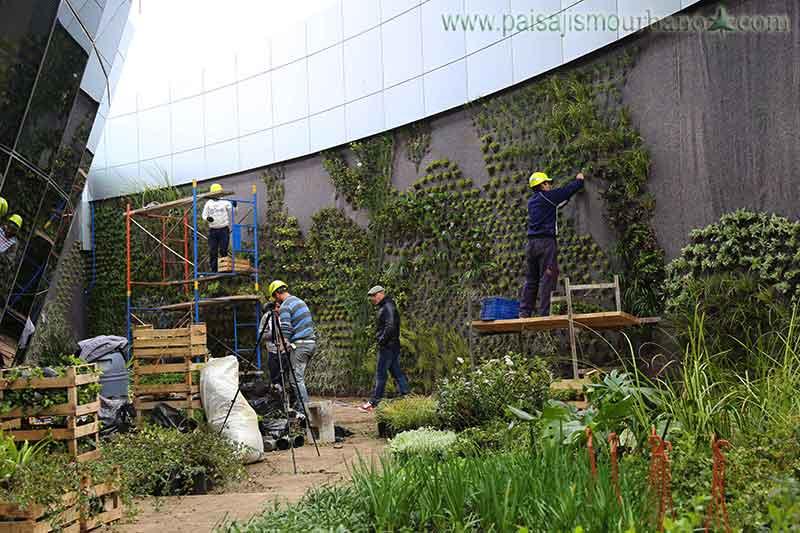
Celebra Building Vertical Wall
https://www.archilovers.com/projects/184441/vertical-garden-in-uruguay.html

Celebra Building Vertical Wall
https://www.archilovers.com/projects/184441/vertical-garden-in-uruguay.html

Celebra Building Vertical Wall
https://www.archilovers.com/projects/184441/vertical-garden-in-uruguay.html

Celebra Building Vertical Wall
https://www.archilovers.com/projects/184441/vertical-garden-in-uruguay.html
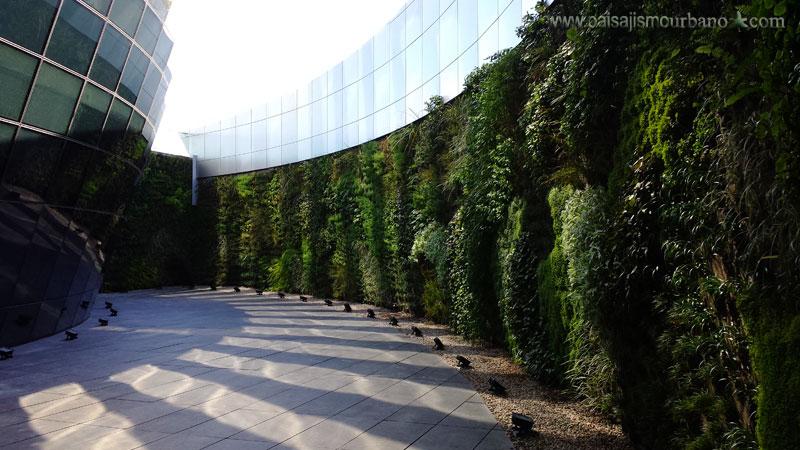
Celebra Building Vertical Wall
https://www.archilovers.com/projects/184441/vertical-garden-in-uruguay.html
Information about this nature-based solution was collected as part of the UNA global extension project funded by the British Academy.