

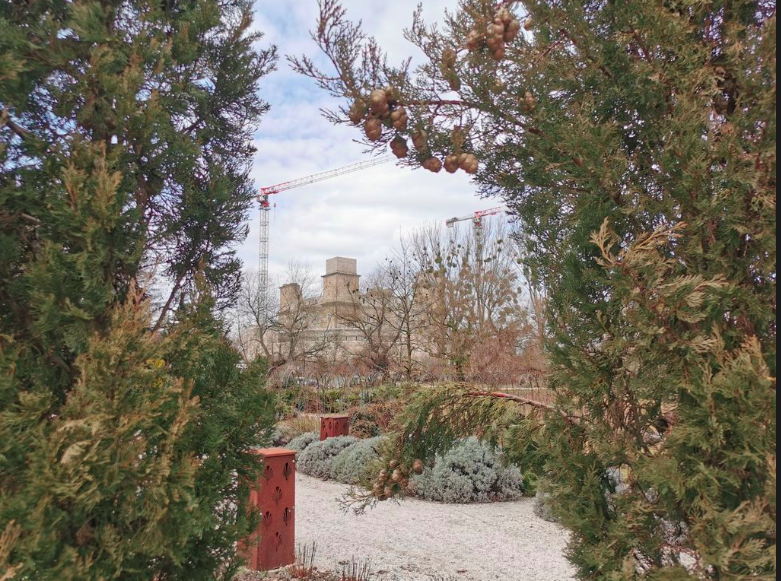
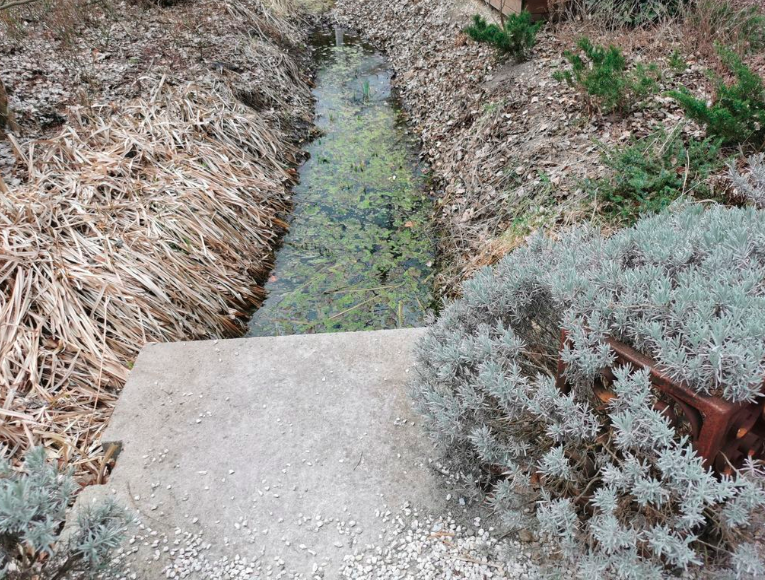
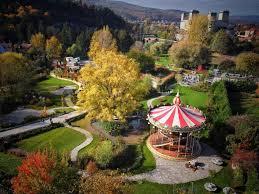
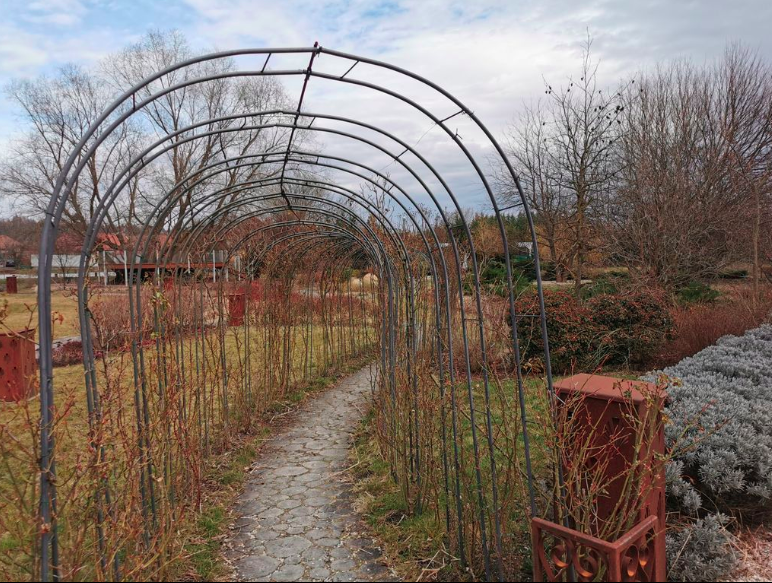
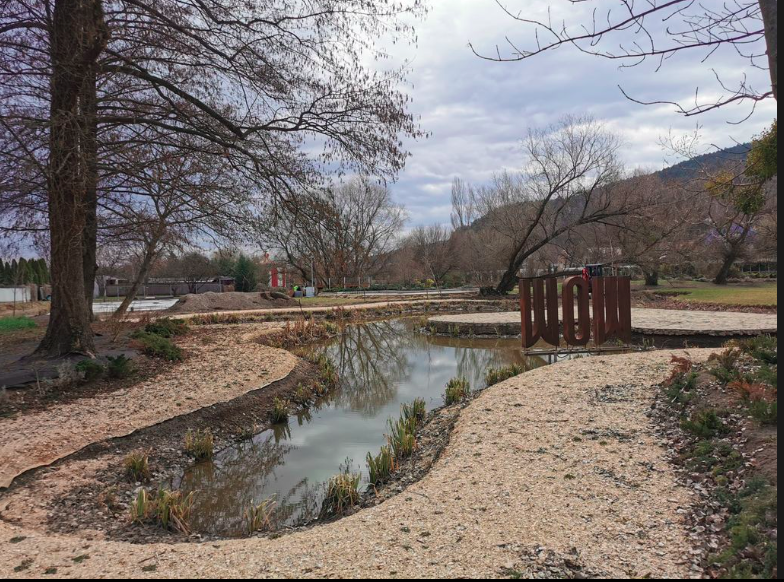
The Fairy Garden, also known as the WOW Recreational Park, is a distinctive green space located near Diósgyőr Castle in Miskolc, Hungary. Since its opening in April 2020, the park has quickly gained popularity, earning third place in the 2020 Tourism Attraction of the Year award in the professional category. Once a neglected and polluted site with historical significance, the area was transformed by a local entrepreneur. After removing over sixty containers of waste, including hazardous materials, a park was created that harmonizes with the natural environment, preserving existing willow trees and integrating water features fed by local streams. When creating the park, the creators respected the plants of the area to the maximum, not a single tree was cut down, and the fruit trees were also kept. The park boasts various decorative elements, including a carousel, a garden cinema, and other amenities. However, in September 2021, it was closed indefinitely for renovations. Gábor Vaszil, the lessee who had rented the land from the Miskolc municipality, intended to purchase the property for further development. Despite initial support from the local government, the transaction was halted due to concerns raised by the regional Water Management and Protection Authority regarding the protection of Miskolc's drinking water resources. Their ongoing investigation has delayed any further decisions about the sale or the future of the park. In the meantime, the garden remains open to the public for leisurely walks, similar to other municipal parks in Miskolc. (Ref.1-4)

Overview
Nature-based solution
- Blue infrastructure
- Rivers/streams/canals/estuaries
- In-land wetlands, peatlands, swamps, and moors
- Parks and urban forests
- Large urban parks or forests
Key challenges
- Environmental quality
- Waste management
- Green space, habitats and biodiversity (SDG 15)
- Green space creation and/or management
- Habitat and biodiversity conservation
- Regeneration, land-use and urban development
- Promote natural styles of landscape design for urban development
- Water management (SDG 6)
- Improvements to water quality
- Health and well-being (SDG 3)
- Creation of opportunities for recreation
- Social justice, cohesion and equity (SDG 10)
- Social interaction
- Economic development and employment (SDG 8)
- Tourism support
Principal problems in Functional Urban Area (FUA)
- Land use and Socio-economic change
- Unequal availability and access to public green spaces
- Health, Well-being and Social cohesion
- Inadequate access to recreational opportunities
- Disconnection from nature
- Other
Key priorities
Focus
Project objectives
Implementation activities
Biodiversity conservation or restoration-focused activities
Biodiversity conservation:
- Protect and enhance urban habitats
- Preserve and strengthen existing habitats and ecosystems
- Protect species
- Undertake specific measures to protect species
Main beneficiaries
- Citizens or community groups
- Unknown
Governance
Management set-up
- Led by non-government actors
Type of initiating organisation
- Private sector/corporate actor/company
Participatory approaches/ community involvement
- The project didn't involve any form of stakeholder participatory activities
Details on the roles of the organisations involved in the project
Project implemented in response to ...
Type of enablers
Financing
Total cost
Source(s) of funding
- Angel / informal investors
Type of funding
- Direct funding (grants, subsidies, or self-financed projects by private entities)
Non-financial contribution
Impacts and Monitoring
Environmental impacts
- Environmental quality
- Improved waste management
- Achieved improved waste management
- Water management and blue areas
- Improved water quality
- Achieved improved water quality
- Green space and habitat
- Restoration of derelict areas
- Achieved restoration of derelict areas
Economic impacts
- Attraction of business and investment
- Achieved attraction of business and investment
Socio-cultural impacts
- Social justice and cohesion
- Improved access to urban green space
- Achieved improved access to urban green space
- Increased opportunities for social interaction
- Achieved increased opportunities for social interaction
Type of reported impacts
Presence of formal monitoring system
Presence of indicators used in reporting
Presence of monitoring/ evaluation reports
Availability of a web-based monitoring tool
Potential risks of implementation and trade-offs
References



 Information about this nature-based solution was collected as part of the Naturescapes project funded by the European Union under Grant Agreement No 101084341.