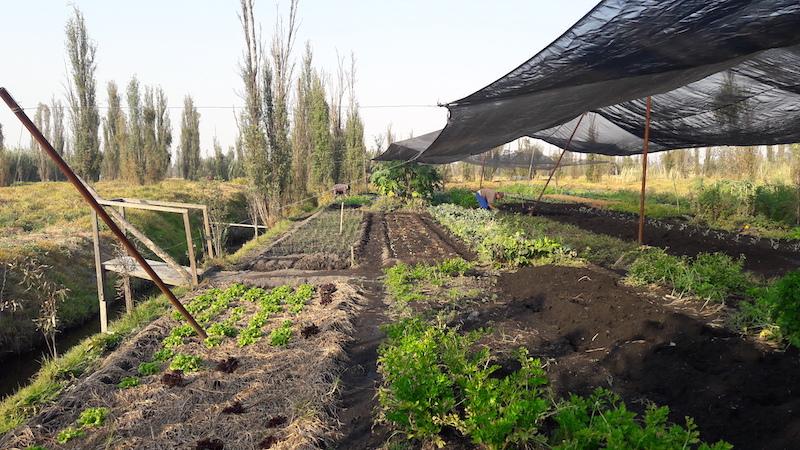
The Xochimilco borough of Mexico City is a World Heritage and Globally Important Agricultural Heritage System wetland site, with significant cultural and ecological importance in food cultivation and water ecosystem (1). Due to the deterioration of the area and lack of top-down initiatives for the restoration and conservation of the area, a number of grassroots initiatives trying to revive the traditional chinampa cultivation and restore the natural state of the ecosystem function and its native species such as the Xochimilco axolotl through reinvigorating sustainable practices that produce quality food and foster water supply. This NBS introduces 3 such grassroot intiatives: (a) Cooperativa Chinampayolo (b) Restauración Ecológica y Desarrollo A.C. (REDES) with its EcoQuilitl producer-consumer network and (c) Umbral Axochiatl A.C. (local community organisation). (1)

Overview
Nature-based solution
- Blue infrastructure
- In-land wetlands, peatlands, swamps, and moors
- Green areas for water management
- Other
Key challenges
- Climate action for adaptation, resilience and mitigation (SDG 13)
- Climate change adaptation
- Environmental quality
- Soil quality improvement
- Green space, habitats and biodiversity (SDG 15)
- Habitat and biodiversity restoration
- Habitat and biodiversity conservation
- Green space creation and/or management
- Water management (SDG 6)
- Improvements to water quality
- Cultural heritage and cultural diversity
- Preservation of natural heritage
- Protection of historic and cultural landscape/infrastructure
- Preservation of historic traditions
- Health and well-being (SDG 3)
- Enabling opportunities for physical activity
- Social justice, cohesion and equity (SDG 10)
- Social cohesion
- Social interaction
- Environmental education
- Economic development and employment (SDG 8)
- Economic development: agriculture
- Tourism support
- Employment/job creation
- Sustainable consumption and production (SDG 12)
- Sustainable consumption
- Sustainable production
Focus
Project objectives
Implementation activities
Climate-focused activities
Climate change adaptation:
- Restore wetlands and/or coastal ecosystems to dissipate the effects of flooding and/or storms
Biodiversity conservation or restoration-focused activities
Biodiversity conservation:
- Protect and enhance urban habitats
- Preserve and strengthen existing habitats and ecosystems
- Promote environmentally-sound development in and around protected areas
- Reduce negative impacts and avoid the alteration/damage of ecosystem
- Protect species
- Undertake specific measures to protect species
- Means for conservation governance
- Manage biological resources for conservation and sustainable use
- Raise public awareness
- Public engagement
- Capacity building
- Protect and apply traditional knowledge and conservation practices
Biodiversity restoration:
- Restore species (native, endangered, or unspecified)
- Public engagement
Main beneficiaries
- Local government/Municipality
- Non-government organisation/Civil Society
- Private sector/Corporate/Company
- Citizens or community groups
- Food producers and cultivators (i.e. farmers, gardeners)
Governance
Management set-up
- Led by non-government actors
Type of initiating organisation
- Non-government organisation/civil society
- Citizens or community group
- Researchers/university
Participatory approaches/ community involvement
- Unknown
Details on the roles of the organisations involved in the project
Project implemented in response to ...
Financing
Total cost
Source(s) of funding
- Funds provided by non-governmental organization (NGO)
- Other
Type of funding
- Unknown
Non-financial contribution
Impacts and Monitoring
Environmental impacts
- Climate change
- Lowered local temperature
- Strengthened capacity to address climate hazards/natural disasters
- Environmental quality
- Improved waste management
- Water management and blue areas
- Improved water quality
- Increased protection against flooding
- Improved stormwater management
- Enhanced protection and restoration of freshwater ecosystems
- Green space and habitat
- Increased conservation or restoration of ecosystems
- Increased protection of threatened species
Economic impacts
- Increase in agricultural production (for profit or not)
- Generation of income from NBS
- Increased market share for green economies
Socio-cultural impacts
- Social justice and cohesion
- Improved liveability
- Increased visibility and opportunity for marginalised groups or indigenous peoples
- Increased involvement of locals in the management of green spaces
- Increased access to healthy/affordable food
- Increased sustainability of agriculture practices
- Health and wellbeing
- Gain in activities for recreation and exercise
- Cultural heritage and sense of place
- Improvement in people’s connection to nature
- Protection of natural heritage
- Protection of historic and cultural landscape / infrastructure
- Increased awareness of flora and fauna as culturally and historically meaningful
- Education
- Increased knowledge of locals about local nature
- Increased awareness of NBS and their benefits
Type of reported impacts
Presence of formal monitoring system
Presence of indicators used in reporting
Presence of monitoring/ evaluation reports
Availability of a web-based monitoring tool
References
2) Fagan, L. (2019). Ancient Aztec chinampas hold promise for urban agriculture. Sustainability Times. Accessed on April 7, 2021. Source link
3) Source link. (n.a.). Chinampayolo. Observatorio La Rábida de Desarrollo Sostenible y Cambio Climático para Iberoamérica. Accessed on April 7, 2021, Source link
4) REDES. (n.a.). What we do. REDES - Restauración Ecológica y Desarrollo, A.C. Accessed on April 7, 2021, Source link
5) Umbral Axochiatl. (n.a.). Ecology, culture and development with identity. Accessed on April 7, 2021, Source link