

Last updated: November 2021
The project of the Park of Malaga was to rehabilitate the lateral spaces of the Paseo del Parque, the organization of the environment, the recovery of the flora and structure of the Park, as well to construct a solution for problems of mobility. (Ref. 1). Recovery of Vegetation of the park, its original layout, and its scientific character of garden Botanical and species acclimatization were central aims of the project (Ref 1).

Source: Ref. 3
Overview
Nature-based solution
- Parks and urban forests
- Large urban parks or forests
Key challenges
- Green space, habitats and biodiversity (SDG 15)
- Habitat and biodiversity restoration
- Habitat and biodiversity conservation
- Green space creation and/or management
- Regeneration, land-use and urban development
- Regulation of built environment
- Health and well-being (SDG 3)
- Enabling opportunities for physical activity
- Creation of opportunities for recreation
- Cultural heritage and cultural diversity
- Preservation of natural heritage
- Protection of historic and cultural landscape/infrastructure
Focus
Maintenance and management of urban nature, Ecological restoration of ecosystems
Project objectives
Recovery of vegetation of the park, its original layout and its scientific character of garden. Botanical and species acclimatization. (Ref 1)
Jointly design areas of contact between the park and the port (Ref 1)
Recovery of areas and Pedestrian routes today invaded by traffic, which allow the relationship of the city with the port and the connections between walks, squares, museums, etc. (Ref 1)
Rehabilitate the park with its original purpose in mind which was the acclimatization of new plants from all over the world with the intention of augmenting the people of Malaga’s interest in the use of new species. (Ref. 1)
Prioritizing of accessibility and permeability of all areas as zones of recreation and leisure for all citizens (Ref. 1)
Recovery of vegetation and historical elements today lost/ abandoned. (Ref 1)
Strengthening of valuable species present in the park with the introduction of young specimens. (Ref. 1)
Implementation activities
Creation of seasonal botanical itineraries, recreation areas, and rest areas with inventory of cultural heritage; Botanical catalog, inventory and location; Classification of species by categories based on different aspects (protection level, rarity, adaptation to climate); Safety study of the trees (risk evaluation in aspects related to tree biology, tree structure, tree mechanics, and security before users); Plan for the Protection of Trees during the remodeling works of the Park; inclusion of new species; introduction of young specimens to strengthen valuable species present in park; change to more sustainable drip irrigation; Jointly design areas of contact between the park and the port; lighting installation (ref 1)
Biodiversity conservation or restoration-focused activities
Biodiversity conservation:
- Protect species
- Undertake specific measures to protect species
- Undertake specific measures to protect valued species
Biodiversity restoration:
- Restore species (native, endangered, or unspecified)
- Restore native species
- Restore valued species
- Public engagement
- Other
Main beneficiaries
- Local government/Municipality
- Citizens or community groups
Governance
Management set-up
- Government-led
Type of initiating organisation
- Local government/municipality
Participatory approaches/ community involvement
- Unknown
Details on the roles of the organisations involved in the project
The Urban Management department of Malaga City was in charge of the intervention. (Ref. 2,3)
FCC and Construcciones Vera (companies): rehabilitation works of the park (Ref. 3)
Architects: involved in design of park rehabilitation (Ref. 1)
Malagueña Academy of Sciences (university/ research): theoretically involved, but consulted only ‘when [the Urban Planning Department] removed the bananas to give explanations’. The site’s management has been criticized for not involving botanical experts or caretakers, seeing as the botanical and bio-diversity aspect of the park are some of its most valuable. (Ref. 2)
EU and Junta de Andalucia (regional government): provided some funding (Ref. 4)
Project implemented in response to ...
... an EU policy or strategy?
Unknown
... a national policy or strategy?
Unknown
... a local policy or strategy?
Yes
(General Urbanization Plan Malaga (2011). The urban planning guide and strategy for the city included the PEPRI, historic urban center rehabilitation. (ref 4))
Financing
Total cost
More than €4,000,000
Source(s) of funding
- EU funds
- Public regional budget
- Public local authority budget
Type of funding
- Earmarked public budget
- Direct funding (grants, subsidies, or self-financed projects by private entities)
Non-financial contribution
Unknown
Impacts and Monitoring
Environmental impacts
- Green space and habitat
- Increased green space area
- Reduced biodiversity loss
- Increased number of species present
- Other
Economic impacts
- Unknown
Socio-cultural impacts
- Safety
- Increased perception of safety
- Social justice and cohesion
- Increased opportunities for social interaction
- Health and wellbeing
- Gain in activities for recreation and exercise
- Cultural heritage and sense of place
- Protection of natural heritage
- Education
- Increased awareness of NBS and their benefits
Type of reported impacts
Achieved impacts
Presence of formal monitoring system
Unknown
Presence of indicators used in reporting
No evidence in public records
Presence of monitoring/ evaluation reports
No evidence in public records
Availability of a web-based monitoring tool
No evidence in public records
References
1.Serratosa, Pau Soler et al. (n.d.). DISEÑO URBANO Y REHABILITACIÓN DEL PARQUE DE MÁLAGA. [Document provided].
2.Vazquez, Alfonso. (2014). Las maravillas del Parque, un cuarto de siglo después. La Opinion de Malaga. Available at: Source link [Accessed: 21 September 2020].
3. La Opinion de Malaga. (2015). La reforma del Parque costó un 57% más de lo pactado y la de Inacua un 43%. La Opinion de Malaga. Available at: Source link [Accessed: 21 September 2020].
4. Rein Lorenzale, Miriam. (2013). Informe sobre intervenciones urbanisticas y transformaciones fisicas en el ambito del PEPRI Centro (1994-2013). [Document provided].
5. Malagueño. (2004). Renovación parque Málaga. Available at: Source link [Accessed: 21 September 2020].
2.Vazquez, Alfonso. (2014). Las maravillas del Parque, un cuarto de siglo después. La Opinion de Malaga. Available at: Source link [Accessed: 21 September 2020].
3. La Opinion de Malaga. (2015). La reforma del Parque costó un 57% más de lo pactado y la de Inacua un 43%. La Opinion de Malaga. Available at: Source link [Accessed: 21 September 2020].
4. Rein Lorenzale, Miriam. (2013). Informe sobre intervenciones urbanisticas y transformaciones fisicas en el ambito del PEPRI Centro (1994-2013). [Document provided].
5. Malagueño. (2004). Renovación parque Málaga. Available at: Source link [Accessed: 21 September 2020].
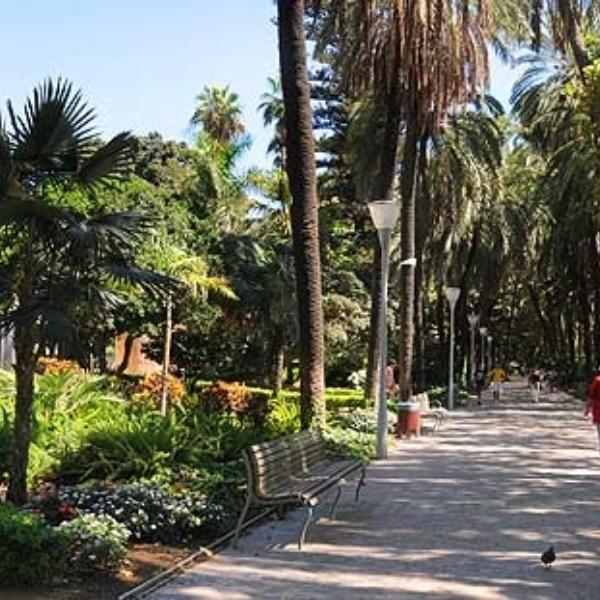
Source: http://parquesyjardines.malaga.eu/es/el-parque-de-malaga/#.X2kzdWhKjD4
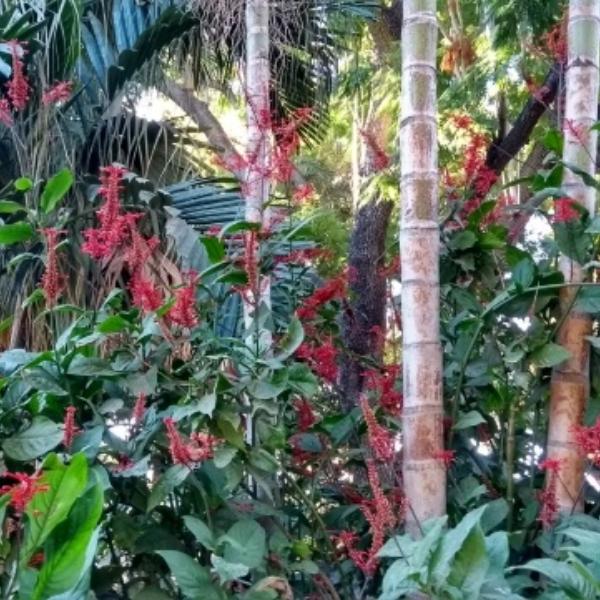
Source: http://parquesyjardines.malaga.eu/es/el-parque-de-malaga/#.X2kzdWhKjD4
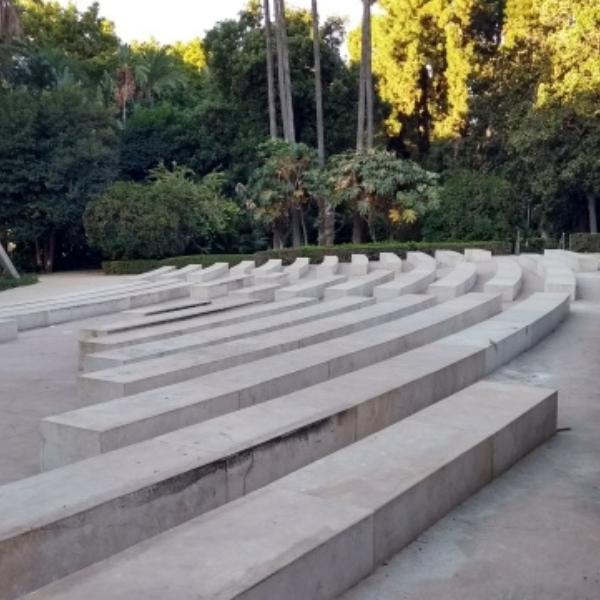
Source: http://parquesyjardines.malaga.eu/es/el-parque-de-malaga/#.X2kzdWhKjD4