

Last updated: October 2021
A 5km section green corridor in the province of Malaga. The initial intervention was planned and opened in 2015, converting non-operational train tracks into a green path for pedestrian and cyclist use. (ref 1,4). The whole corridor will unite the Natural Site of the Desfiladero de los Gaitanes with the natural site of the mouth of the Guadalhorce river. (ref 3)
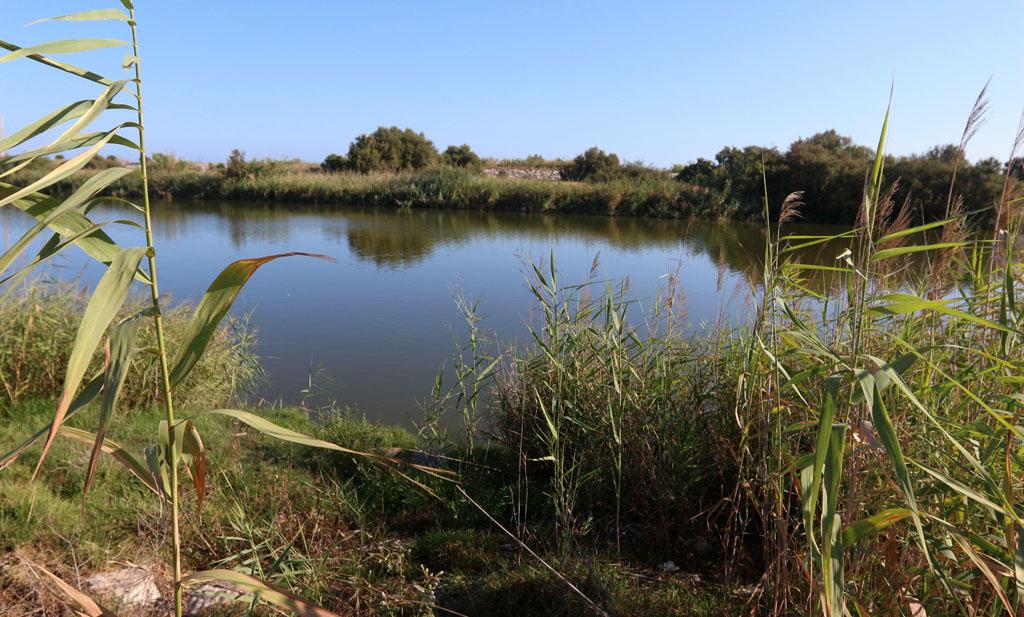
Source: Ref. 3
Overview
Nature-based solution
- Grey infrastructure featuring greens
- Railroad bank and track greens
- Parks and urban forests
- Large urban parks or forests
- Green corridors and green belts
Key challenges
- Green space, habitats and biodiversity (SDG 15)
- Green space creation and/or management
- Regeneration, land-use and urban development
- Promote natural styles of landscape design for urban development
- Social justice, cohesion and equity (SDG 10)
- Social cohesion
- Social interaction
- Health and well-being (SDG 3)
- Enabling opportunities for physical activity
- Improving physical health
- Creation of opportunities for recreation
- Economic development and employment (SDG 8)
- Economic development: service sectors
- Tourism support
- Cultural heritage and cultural diversity
- Preservation of natural heritage
- Protection of historic and cultural landscape/infrastructure
Focus
Creation of new green areas, Transformation of previously derelict areas
Project objectives
Develop green corridor in Malaga (ref 1-7)
Conserve natural environment (ref 3)
Provide access to the environment of the river and strengthen its surroundings (ref 3)
Guarantee universal accessibility (ref 1)
Provide a space for leisure and cycling activities (ref 6)
Create opportunities for tourism and economic growth in the region (ref 7)
-'People with reduced mobility (especially the disabled, the elderly and children) are the biggest beneficiaries of these safe, easy and accessible infrastructures.' (ref 1)
Implementation activities
Phase 1 (2015): 2.4 km of rehabilitated path between Venta Casa Pedro, Coin and Alhaurin (413 383 euro financed by province of Malaga). (ref 2)
The whole corridor will unite the Natural Site of the Desfiladero de los Gaitanes with the natural site of the mouth of the Guadalhorce river. (ref 3)
Creation of rest areas (ref 5)
Improvement of pavement (ref 5)
Main beneficiaries
- Local government/Municipality
- Citizens or community groups
- Marginalized groups: Elderly people, People with functional diversities
- Young people and children
Governance
Management set-up
- Government-led
Type of initiating organisation
- Regional government
- Local government/municipality
Participatory approaches/ community involvement
- Unknown
Details on the roles of the organisations involved in the project
Deputy of Malaga (Diputacion de Malaga)- main initiator and allocator of funds (provincial government) (ref 4)
Overall effort had to be coordinated with 7 city councils involved in the long-corridor. (ref 3)
Spanish Foundation for Railways (Fundacion Española de Ferrocarriles)- supporter of the project. (ref 4)
“It is agreed to promote the project along with the Junta de Andalucía, the Group of Rural Development, Tourism and Planning of the Costa del Sol SLU and the rest of the municipalities involved, which are: Ardales, Álora, Pinarra, Coín, Alhaurín el Grande, Cártama and Alhaurín de la Torre.” (ref 3)
Project implemented in response to ...
... an EU policy or strategy?
Unknown
... a national policy or strategy?
Yes
(Green Ways of Spain (Vias Verdes España), a plan to convert non-operating traintracks into green corridors for civilian use. (ref 1 and 4)
)
... a local policy or strategy?
Unknown
Financing
Total cost
€500,000 - €2,000,000
Source(s) of funding
- Public regional budget
- Public local authority budget
Type of funding
- Earmarked public budget
- Direct funding (grants, subsidies, or self-financed projects by private entities)
Non-financial contribution
Unknown
Impacts and Monitoring
Environmental impacts
- Green space and habitat
- Increased green space area
- Increased ecological connectivity across regeneration sites and scales
- Restoration of derelict areas
Economic impacts
- Attraction of business and investment
Socio-cultural impacts
- Safety
- Increased perception of safety
- Social justice and cohesion
- Improved social cohesion
- Improved access to urban green space
- Increased visibility and opportunity for marginalised groups or indigenous peoples
- Increased opportunities for social interaction
- Health and wellbeing
- Gain in activities for recreation and exercise
- Cultural heritage and sense of place
- Protection of natural heritage
- Protection of historic and cultural landscape / infrastructure
- Increased sense of place identity, memory and belonging
Type of reported impacts
Expected impacts, Achieved impacts
Presence of formal monitoring system
Unknown
Presence of indicators used in reporting
No evidence in public records
Presence of monitoring/ evaluation reports
No evidence in public records
Availability of a web-based monitoring tool
No evidence in public records
References
1. Imalda. (2015). La Via Verde Valle del Guadalhorce estara lista a final de año. Available at: Source link [Accessed: 22 September 2020].
2. La Opinion de Malaga. (2016). El primer tramo de Vía Verde en el Guadalhorce se iniciará a final de año. Available at: Source link [Accessed: 22 September 2020].
3. Sau, Jose Antonio. (2017). El Ayuntamiento de Málaga apoya impulsar un gran Corredor Verde en el Guadalhorce. La Opinion de Malaga. Available at: Source link [Accessed: 22 September 2020].
4. Diputacion de Malaga. (2015). La Diputación habilitará la primera vía verde de la provincia con una inversión de 700.000 euros. Available at: Source link [Accessed: 22 September 2020].
5. Gran Senda de Malaga. (2015). Via Verde Valle del Gudalhorce, Una Realidad Muy Proxima. Available at: Source link [Accessed: 22 September 2020].
6. Angel, M. (2016). Diputación entrega al Ayuntamiento la documentación del Proyecto de la Vía Verde. Available at: Source link [Accessed: 22 September 2020].
7. Source link. (2016). Guadalhorce Greenway. Source link. Available at: Source link [Accessed: 22 September 2020].
2. La Opinion de Malaga. (2016). El primer tramo de Vía Verde en el Guadalhorce se iniciará a final de año. Available at: Source link [Accessed: 22 September 2020].
3. Sau, Jose Antonio. (2017). El Ayuntamiento de Málaga apoya impulsar un gran Corredor Verde en el Guadalhorce. La Opinion de Malaga. Available at: Source link [Accessed: 22 September 2020].
4. Diputacion de Malaga. (2015). La Diputación habilitará la primera vía verde de la provincia con una inversión de 700.000 euros. Available at: Source link [Accessed: 22 September 2020].
5. Gran Senda de Malaga. (2015). Via Verde Valle del Gudalhorce, Una Realidad Muy Proxima. Available at: Source link [Accessed: 22 September 2020].
6. Angel, M. (2016). Diputación entrega al Ayuntamiento la documentación del Proyecto de la Vía Verde. Available at: Source link [Accessed: 22 September 2020].
7. Source link. (2016). Guadalhorce Greenway. Source link. Available at: Source link [Accessed: 22 September 2020].

Source: Ref. 7