

Last updated: October 2021
The project created a friendly green recreation area for the elderly in the neighbourhood where there is a lack of spaces dedicated to the elderly. The plans involve the revitalization of a neglected square, plantings assorted greenery and preservation of the existing trees. The NBS should foster physical activity and social inclusion of the elderly residents in the neighbourhood, as well as to lead to the revitalization of the district and improved standards of living [1,2].
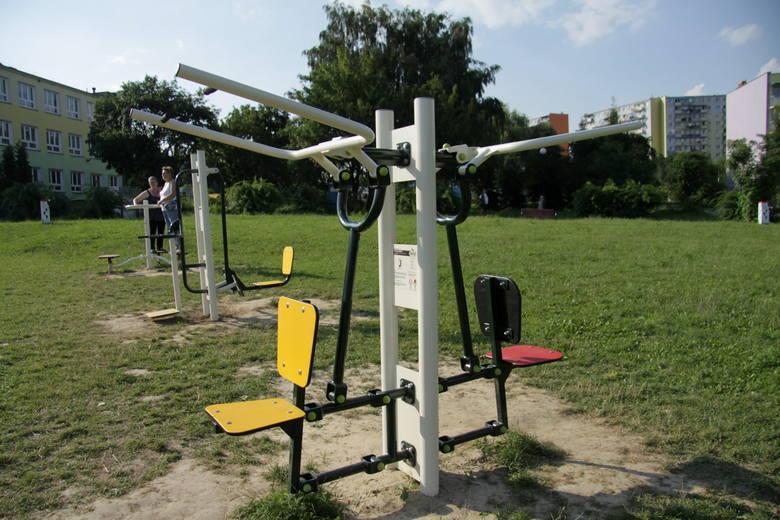
Senior citizen's square in Lublin
Source: https://kurierlubelski.pl/tatary-dostana-nowy-skwer-ma-byc-gotowy-do-konca-czerwca-2018/ga/12686504/zd/26353672
Overview
Nature-based solution
- Parks and urban forests
- Pocket parks/neighbourhood green spaces
Key challenges
- Green space, habitats and biodiversity (SDG 15)
- Green space creation and/or management
- Regeneration, land-use and urban development
- Regulation of built environment
- Social justice, cohesion and equity (SDG 10)
- Social justice and equity
- Social cohesion
- Social interaction
- Health and well-being (SDG 3)
- Enabling opportunities for physical activity
- Improving mental health
- Improving physical health
- Creation of opportunities for recreation
Focus
Maintenance and management of urban nature, Improved governance of green or blue areas
Project objectives
-To create a senior-friendly recreational area;
-To revitalise the neglected neighbourhood space by organising it and managing the neglected trees;
-To facilitate the physical activity for the local population and their social inclusion;
-To revitalise the district and improve the standards of living in the neighbourhood [2].
Implementation activities
1. Removing old asphalt pavement on the square. 2. Preservation of the blossoming trees on the square. 3. Greenery planting (trees, low hedges, shrubs) 4.Greening of the neglected sites. 5. Central flower composition planted with perennial plants 6. Providing benches, outdoor gym and paths dedicated to the elderly only 7. Providing CCTV in the neighbourhood [1]
Main beneficiaries
- Citizens or community groups
- Marginalized groups: Elderly people
Governance
Management set-up
- Co-governance with government and non-government actors
Type of initiating organisation
- Citizens or community group
Participatory approaches/ community involvement
- Co-planning (e.g. stakeholder workshops, focus groups, participatory mapping)
- Crowd-sourcing/Crowd-funding/Participatory budget
Details on the roles of the organisations involved in the project
Citizens developed a research proposal and applied for funds for its implementation. After evaluation and adjustment, in 2019 the project was implemented by the relevant bodies of the local government.
Project implemented in response to ...
... an EU policy or strategy?
Unknown
... a national policy or strategy?
Unknown
... a local policy or strategy?
Yes
(Green participatory budget of Lublin, which aims to increase the greenery in the city. (1))
Financing
Total cost
€100,000 - €500,000
Source(s) of funding
- Public local authority budget
Type of funding
- Earmarked public budget
Non-financial contribution
Unknown
Impacts and Monitoring
Environmental impacts
- Green space and habitat
- Promotion of naturalistic styles of landscape design for urban development
Economic impacts
- Unknown
Socio-cultural impacts
- Social justice and cohesion
- Improved social cohesion
- Fair distribution of social, environmental and economic benefits of the NBS project
- Increased opportunities for social interaction
- Health and wellbeing
- Improved physical health
- Improved mental health
- Gain in activities for recreation and exercise
Type of reported impacts
Expected impacts, Achieved impacts
Presence of formal monitoring system
Yes
Presence of indicators used in reporting
Yes
Presence of monitoring/ evaluation reports
Yes
Availability of a web-based monitoring tool
No evidence in public records
References
1. Lublin City Council website, ‘Summary of projects submitted to the green participatory budget 2017’ (‘Zestawienie projektów zgłoszonych do ZBO 2017’), Source link (Accessed: 17 August 2020).
2. Lublin City Council website, ‘Description of the projects accepted within the green participatory budget’(‘Opis realizacji wybranych projektów w ramach Zielonego Budżetu Obywatelskiego’), Source link (Accessed: 17 August 2020).
3. Lublin City Council website, ‘Summary of the projects to be implemented’ (‘Projekty do realizacji – zestawienie) Source link (Accessed: 17 August 2020).
4. Lublin City Council website, ‘Criteria of projects’ evaluation’ (‘Kryteria oceny projektów’) Source link (Accessed: 17 August 2020).
5. Jurkowski, A. (2017). Tatary dostaną nowy skwer. Ma być gotowy do końca czerwca 2018 (Tatary will get a new square. It is supposed to be ready till the end of June 2018). Kurier Lubelski. Available at: Source link (Accessed: 17 August 2020).
6. Unknown. (2017). Seniorzy czekają na swój plac (Senior citizens are waiting for their square). Nowy Tydzień. Available at: Source link (Accessed: 17 August 2020).
2. Lublin City Council website, ‘Description of the projects accepted within the green participatory budget’(‘Opis realizacji wybranych projektów w ramach Zielonego Budżetu Obywatelskiego’), Source link (Accessed: 17 August 2020).
3. Lublin City Council website, ‘Summary of the projects to be implemented’ (‘Projekty do realizacji – zestawienie) Source link (Accessed: 17 August 2020).
4. Lublin City Council website, ‘Criteria of projects’ evaluation’ (‘Kryteria oceny projektów’) Source link (Accessed: 17 August 2020).
5. Jurkowski, A. (2017). Tatary dostaną nowy skwer. Ma być gotowy do końca czerwca 2018 (Tatary will get a new square. It is supposed to be ready till the end of June 2018). Kurier Lubelski. Available at: Source link (Accessed: 17 August 2020).
6. Unknown. (2017). Seniorzy czekają na swój plac (Senior citizens are waiting for their square). Nowy Tydzień. Available at: Source link (Accessed: 17 August 2020).