

Last updated: October 2021
The project introduces an urban park in the place of a formerly derelict area and a landfill, located by the river valley of Bystrzyca. The park would increase access to the green recreational area in the city, which is a part of a longer-term plan to make the river’s banks citizen-friendly and easily accessible. The initiative includes: clearing the land and planting greenery, construction of the 'sensory' garden for the youngest users, building walking and cycling paths and infrastructure adjusted to people with disabilities, as well as installation of the nesting boxes, feeders and insect hotels [1].

Zawilcowa Park in Lublin, Spatial Plan (2017)
Source: https://spottedlublin.pl/miasto-oglosilo-przetarg-na-budowe-nowego-parku-na-kalinie/
Overview
Nature-based solution
- Parks and urban forests
- Large urban parks or forests
Key challenges
- Green space, habitats and biodiversity (SDG 15)
- Habitat and biodiversity restoration
- Green space creation and/or management
- Regeneration, land-use and urban development
- Regulation of built environment
- Promote natural styles of landscape design for urban development
- Social justice, cohesion and equity (SDG 10)
- Environmental education
- Social justice and equity
- Social cohesion
- Social interaction
- Health and well-being (SDG 3)
- Enabling opportunities for physical activity
- Creation of opportunities for recreation
Focus
Creation of new green areas, Ecological restoration of ecosystems, Transformation of previously derelict areas, Knowledge creation and awareness raising
Project objectives
The project envisions the following main goals:
1) Revitalization of the degraded and previously contaminated urban space,
2) Expansion of pleasant green recreational area in the city,
3) Environmental education,
4) The management of the river valley [1].
The initiative includes: clearing the land and planting greenery, construction of the 'sensory' garden for the youngest users, building walking and cycling paths and infrastructure adjusted to people with disabilities, as well as installation of the nesting boxes, feeders and insect hotels [1].
Implementation activities
Tasks included:
- Construction of the 'sensory' garden that will serve educational purposes, planting diverse endemic greenery;
- Introducing disability-friendly infrastructure;
- Building walking/cycling paths;
- Installing nesting boxes, feeders and insect hotels;
- Building a solar clock in the park and a recreational square [1].
Biodiversity conservation or restoration-focused activities
Biodiversity restoration:
- Rehabilitate and restore damaged or destroyed ecosystems
- Restore species (native, endangered, or unspecified)
- Restore native species
- Restore ecological connectivity
Main beneficiaries
- Citizens or community groups
Governance
Management set-up
- Government-led
Type of initiating organisation
- Local government/municipality
Participatory approaches/ community involvement
- Unknown
Details on the roles of the organisations involved in the project
The local government developed the project proposal in 2016 and applied for funding from the national/EU funding scheme - the EU's Infrastructure and Environment Programme 2014-2020 [1,2].
Project implemented in response to ...
... an EU policy or strategy?
Yes
(The program is supported by the European Regional Development Fund and Cohesion Fund, in line with the EU Regional and Cohesion policy objectives (3 and 4).)
... a national policy or strategy?
Yes
(Program 'Infrastructure and the Environment 2014-2020', which is a national program that supports low-carbon economy, environmental protection, prevention and adaptation to climate change, transport and energy security.(3) )
... a local policy or strategy?
Unknown
Financing
Total cost
€2,000,000 - €4,000,000
Source(s) of funding
- EU funds
- Public local authority budget
Type of funding
- Earmarked public budget
- Direct funding (grants, subsidies, or self-financed projects by private entities)
Non-financial contribution
Unknown
Impacts and Monitoring
Environmental impacts
- Green space and habitat
- Promotion of naturalistic styles of landscape design for urban development
- Increased green space area
- Increased conservation or restoration of ecosystems
- Reduced biodiversity loss
- Increased number of species present
- Enhanced support of pollination
- Increased spread of native/heirloom/open-pollinated seed
- Restoration of derelict areas
Economic impacts
- Unknown
Socio-cultural impacts
- Social justice and cohesion
- Improved social cohesion
- Improved access to urban green space
- Increased opportunities for social interaction
- Health and wellbeing
- Gain in activities for recreation and exercise
- Education
- Increased knowledge of locals about local nature
- Increased awareness of NBS and their benefits
Type of reported impacts
Achieved impacts
Presence of formal monitoring system
Yes
Presence of indicators used in reporting
Yes
Presence of monitoring/ evaluation reports
Yes
Availability of a web-based monitoring tool
No evidence in public records
References
1. 'Park at the Zawilcowa Street - new green areas in Lublin' (2017) ('Park Zawilcowa – nowe tereny zielone w Lublinie'), Source link, Source link (Accessed: 06 August 2020).
2. Skomra, S., (2016) 'There will be new park at the Zawilcowa Street' ('Będzie nowy park przy ul. Zawilcowej'), Source link, Source link (Accessed: 06 August 2020).
3. Government's portal, section 'Infrastructure and the Environment' ('Infrastruktura i Środowisko'), Source link (Accessed: 06 August 2020).
4. Government's portal, section 'Infrastructure and the Environment: funding sources' ('Infrastruktura i Środowisko: finansowanie'), Source link (Accessed: 06 August 2020).
5. Government's portal, section 'Infrastructure and the Environment: monitoring committee' ('Infrastruktura i Środowisko: Komisja Monitorująca'), Source link, (Accessed: 06 August 2020).
6. Government's portal, section 'Infrastructure and the Environment: what can be implemented?' ('Infrastruktura i Środowisko: Co można zrealizować?') Source link (Accessed: 06 August 2020).
7. Domagała, Małgorzata. (2018). Marzenie spełnione po 20 latach. Park Zawilcowa otwarty (The dream has come true after 20 years. The Zawilcowa park is open). Wyborcza Lublin. Available at: Source link (Accessed: 06 August 2020).
8. Lublin Miasto Inspiracji. (2019). Park Zwilcowa (The Zawilcowa Park). Available at: Source link (Accessed: 06 August 2020).
2. Skomra, S., (2016) 'There will be new park at the Zawilcowa Street' ('Będzie nowy park przy ul. Zawilcowej'), Source link, Source link (Accessed: 06 August 2020).
3. Government's portal, section 'Infrastructure and the Environment' ('Infrastruktura i Środowisko'), Source link (Accessed: 06 August 2020).
4. Government's portal, section 'Infrastructure and the Environment: funding sources' ('Infrastruktura i Środowisko: finansowanie'), Source link (Accessed: 06 August 2020).
5. Government's portal, section 'Infrastructure and the Environment: monitoring committee' ('Infrastruktura i Środowisko: Komisja Monitorująca'), Source link, (Accessed: 06 August 2020).
6. Government's portal, section 'Infrastructure and the Environment: what can be implemented?' ('Infrastruktura i Środowisko: Co można zrealizować?') Source link (Accessed: 06 August 2020).
7. Domagała, Małgorzata. (2018). Marzenie spełnione po 20 latach. Park Zawilcowa otwarty (The dream has come true after 20 years. The Zawilcowa park is open). Wyborcza Lublin. Available at: Source link (Accessed: 06 August 2020).
8. Lublin Miasto Inspiracji. (2019). Park Zwilcowa (The Zawilcowa Park). Available at: Source link (Accessed: 06 August 2020).
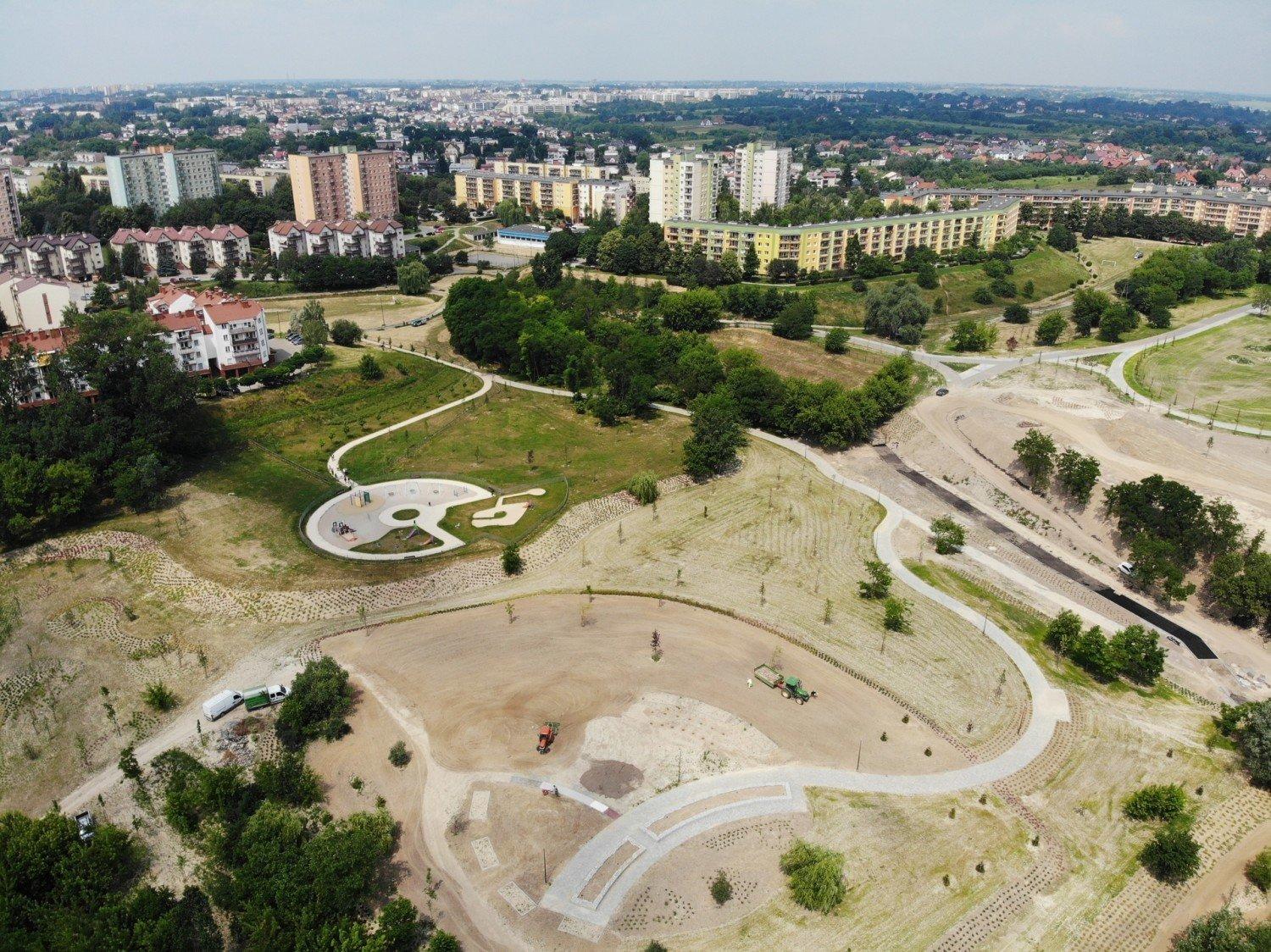
Zawilcowa Park in Lublin
Source: https://lublin.naszemiasto.pl/park-przy-ul-zawilcowej-kiedy-otwarcie-dla-mieszkancow/ar/c8-4677035
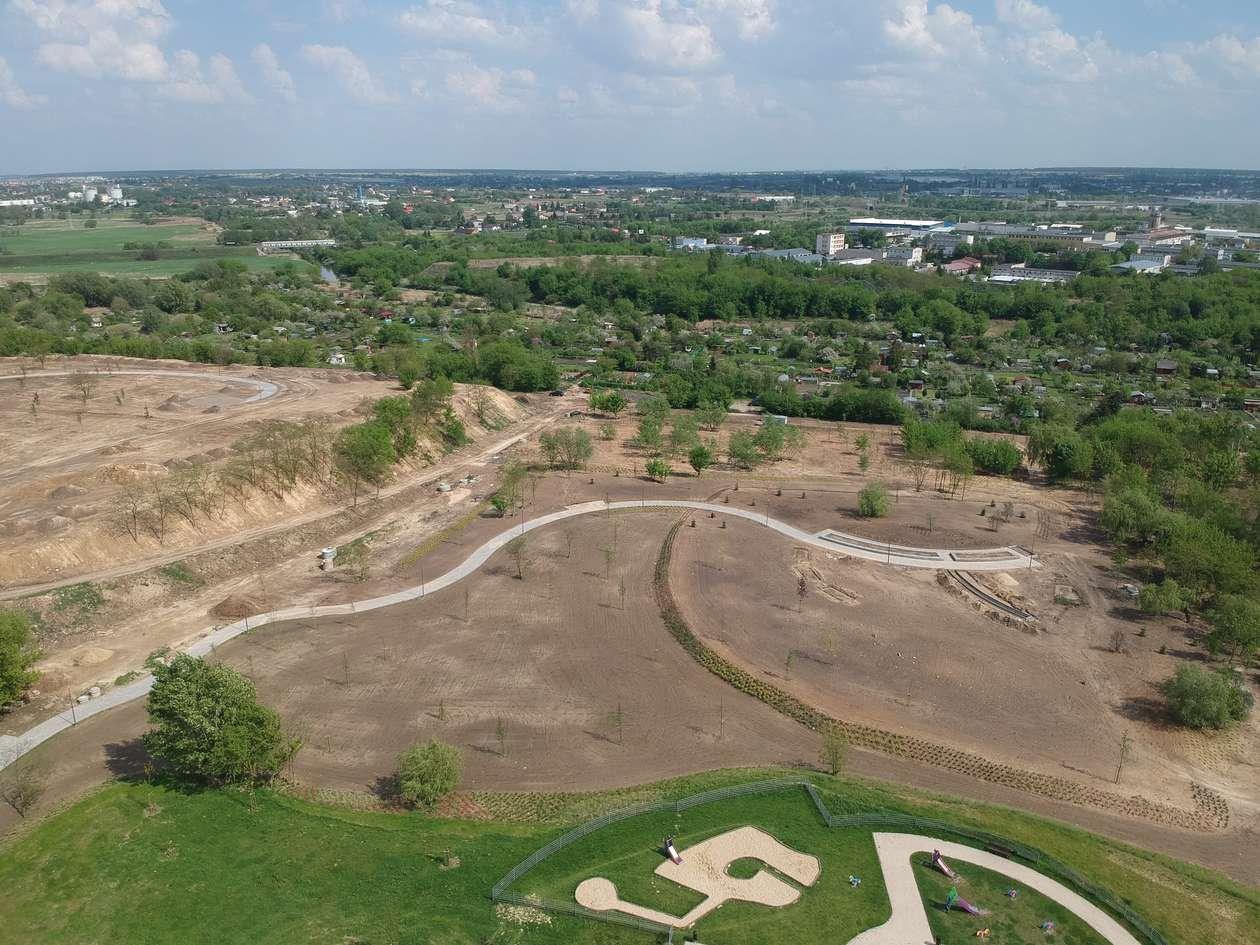
Zawilcowa Park in Lublin
Source: https://www.dziennikwschodni.pl/galeria.html?gal=999680097&art=1000218154&f=1

Zawilcowa Park in Lublin bird's-eye view
Source: https://www.instagram.com/miastolublin/