

Last updated: October 2021
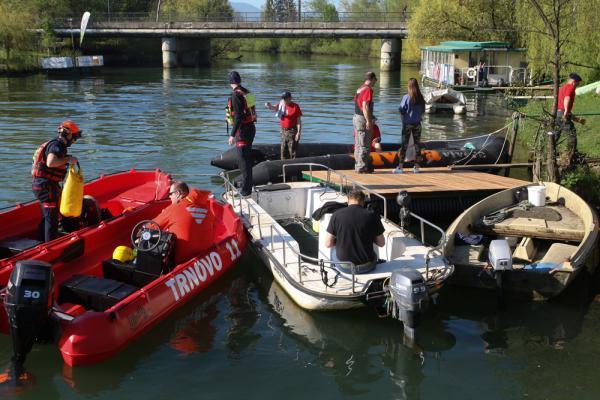
Each year, since 2003 between 22 March, World Water Day, and 22 April, World Earth Day, the traditional spring cleaning campaign For a More Beautiful Ljubljana (Za lepšo Ljubljano) is in progress in Ljubljana. The basic goal of the For a More Beautiful Ljubljana campaign is to give a thorough spring clean to functional areas across the City of Ljubljana, and those taking part include Departments within the City Administration, the City’s District Authorities, public companies united within Ljubljana Public Holdings, City of Ljubljana public institutes and various Ljubljana societies. (1 and 5)
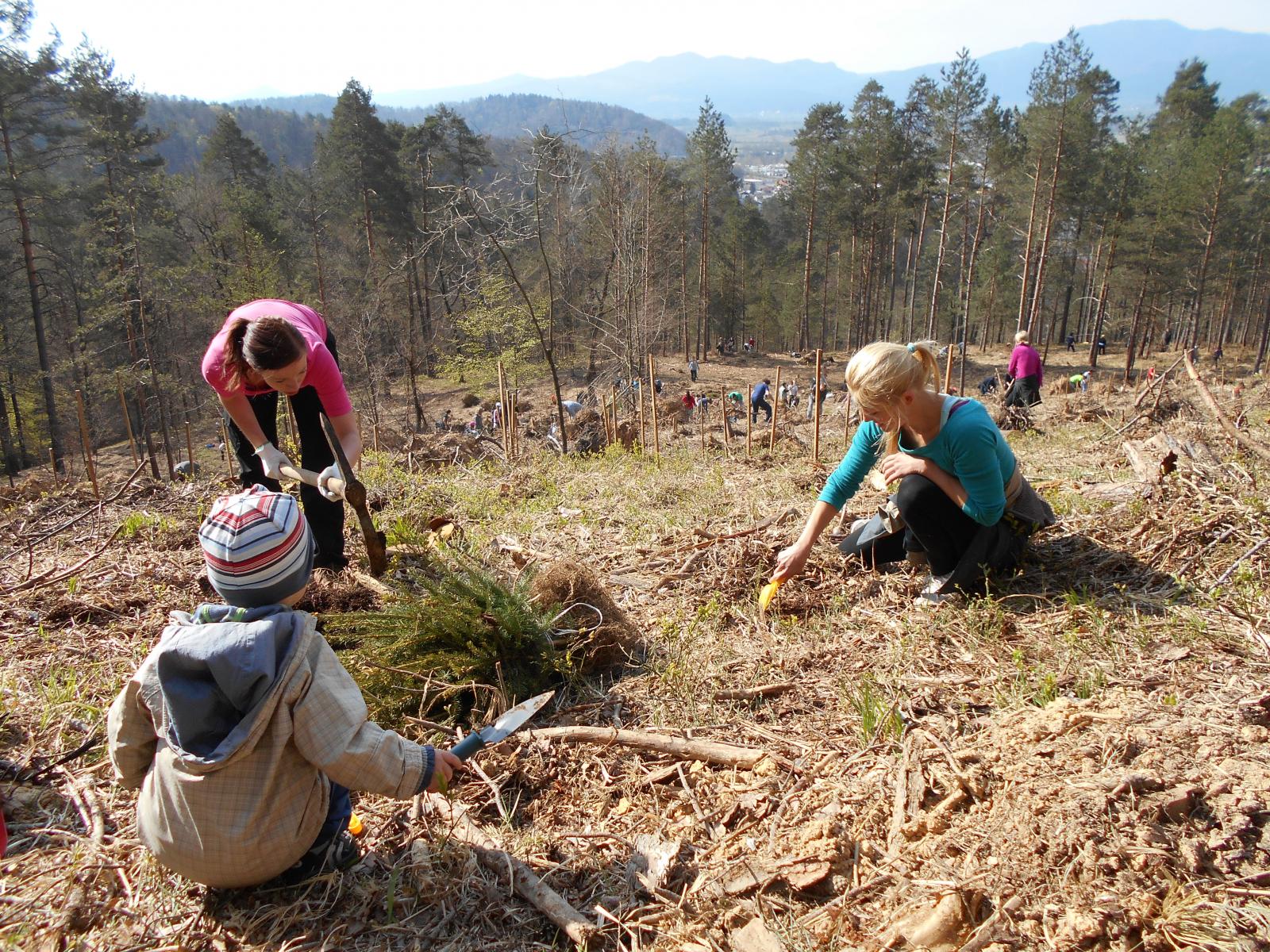
For A More Beautiful Ljubljana
City of Ljubljana Photo Archives, retrieved 09/04/2018 from Alja Bebar (Office for Public Relations)
Overview
Nature-based solution
- Grey infrastructure featuring greens
- Alley or street trees and other street vegetation
- Institutional green space
- Blue infrastructure
- Riverbank/Lakeside greens
- Parks and urban forests
- Large urban parks or forests
- Pocket parks/neighbourhood green spaces
- Rivers/streams/canals/estuaries
Key challenges
- Green space, habitats and biodiversity (SDG 15)
- Habitat and biodiversity restoration
- Green space creation and/or management
- Environmental quality
- Waste management
- Inclusive and effective governance (SDG 16)
- Effective management
- Cultural heritage and cultural diversity
- Protection of historic and cultural landscape/infrastructure
Focus
Maintenance and management of urban nature, Strategy, plan or policy development, Monitoring and maintenance of habitats and/or biodiversity, Management and improved protection of rivers and other blue areas
Project objectives
The overarching goal of the project is to show that the city cares about the environment and that it is working together to ensure that Ljubljana is a clean, green and tidy city. The other aims include cleaning river Ljubljanica, planting trees and weeding out invasive species. (1)
Implementation activities
To make the city more beautiful and even greener, colleagues from the city administration, public companies and institutions plants new trees in areas worst affected. The campaign runs as part of the Ljubljana – European Green Capital 2016 project. In 2014, Ljubljana was assailed by an ice storm that seriously damaged woodlands in the city. The long-term rehabilitation has begun immediately after this natural incident, but where the ice storm has caused major bare patches or gaps these urgently needed to be filled. Therefore, as part of the traditional spring-cleaning campaign For a More Beautiful Ljubljana and receipt of the title of European Green Capital 2016, the city organised in 2015 a campaign of planting new trees, via which they would reforest the worst affected parts. The campaign about benefits of drinking water and high quality of tab water in Ljubljana, cleaning river Ljubljanica, planting 12000 trees and weeding out invasive species. In 2015, 4000 trees were planted and in 2016, another 6000 were planted. In 2018, taking part in cleaning activities in district communities were also younger individuals who have previously damaged urban equipment, namely, as an educational measure instead of charging them, as agreed with them and their parents. In 2019, activities were prepared by employees of Ljubljana's public companies and institutes, who will clean the surroundings of buildings and other facilities under their management. To conclude the cleaning activities, every year the cleaning of the Ljubljanica river from Špica to the Dragon Bridge happens.(1, 2, 4 and 5)
Biodiversity conservation or restoration-focused activities
Biodiversity restoration:
- Rehabilitate and restore damaged or destroyed ecosystems
- Clear and control invasive alien species
Main beneficiaries
- Local government/Municipality
- Citizens or community groups
Governance
Management set-up
- Government-led
Type of initiating organisation
- Local government/municipality
Participatory approaches/ community involvement
- Dissemination of information and education
Details on the roles of the organisations involved in the project
The initiative is taken by the City Council. (1)
Project implemented in response to ...
... an EU policy or strategy?
Yes
(Green Capital 2016 - directly mentioned European Green Capital Award (EGCA) is a policy tools the European Commission is using to address urban sustainability challenges, which recognises and rewards local efforts to improve the environment, the economy and the quality of life in cities. 7th Environment Action Programme (EAP) underpins the EGCA as a policy tool which is directly mentioned in the documents. (2))
... a national policy or strategy?
Unknown
... a local policy or strategy?
Yes
(Ljubljana Green Capital (1))
Financing
Total cost
Unknown
Source(s) of funding
- Public local authority budget
Type of funding
- Earmarked public budget
Non-financial contribution
Type of non-financial contribution
- Provision of labour
Who provided the non-financial contribution?
- Public authorities (e.g. land, utility services)
Impacts and Monitoring
Environmental impacts
- Climate change
- Lowered local temperature
- Environmental quality
- Improved air quality
- Water management and blue areas
- Improved water quality
- Green space and habitat
- Increased protection of threatened species
- Improved prevention or control of invasive alien species
Economic impacts
- Unknown
Socio-cultural impacts
- Social justice and cohesion
- Increased involvement of locals in the management of green spaces
- Health and wellbeing
- Gain in activities for recreation and exercise
- Cultural heritage and sense of place
- Protection of historic and cultural landscape / infrastructure
- Education
- Increased awareness of NBS and their benefits
Type of reported impacts
Achieved impacts
Presence of formal monitoring system
Unknown
Presence of indicators used in reporting
No evidence in public records
Presence of monitoring/ evaluation reports
No evidence in public records
Availability of a web-based monitoring tool
No evidence in public records
References
1. Green Ljubljana. (2016) For a more beautiful Ljubljana. available at Source link. [site under construction as on 5th November, 2020]
2. Green Ljubljana. (2016) Tree Planting Campaign. available at Source link. [site under construction as on 5th November, 2020]
3. Source link. (2003) Jutri začetek akcije 'Za lepšo Ljubljano 2003' . available at Source link. accessed on 5th November, 2020.
4. Ljubljana Mayor's Cabinet. (2015) New trees for an even greener Ljubljana. available at Source link. [site under construction as on 5th November, 2020]
5. City of Ljubljana (2013) For a more beautiful Ljubljana. available on Source link. accessed on 5th November, 2020.
6. City of Ljubljana (2019) For a beautiful and green Ljubljana. available at Source link. accessed on 5th November, 2020.
2. Green Ljubljana. (2016) Tree Planting Campaign. available at Source link. [site under construction as on 5th November, 2020]
3. Source link. (2003) Jutri začetek akcije 'Za lepšo Ljubljano 2003' . available at Source link. accessed on 5th November, 2020.
4. Ljubljana Mayor's Cabinet. (2015) New trees for an even greener Ljubljana. available at Source link. [site under construction as on 5th November, 2020]
5. City of Ljubljana (2013) For a more beautiful Ljubljana. available on Source link. accessed on 5th November, 2020.
6. City of Ljubljana (2019) For a beautiful and green Ljubljana. available at Source link. accessed on 5th November, 2020.
City of Ljubljana
https://www.ljubljana.si/sl/aktualno/za-lepo-in-zeleno-ljubljano-4/