

Last updated: September 2024
The Jardim do Caracol da Penha project transformed a vacant urban area into a community garden and recreational space in Lisbon. Initially planned as a parking lot, the project was reimagined by local residents, led by Rita Vieira Cruz, and submitted to the Participatory Budget in 2016, garnering over 9,000 votes (Ref 2). The one-hectare garden connects the Arroios and Penha de França parishes and features leisure areas, an amphitheatre, playgrounds, and a community garden (Ref 4). Its design was shaped by citizen input, emphasizing sustainability and accessibility, with plans to support activities such as outdoor cinema and community gatherings (Ref 2).
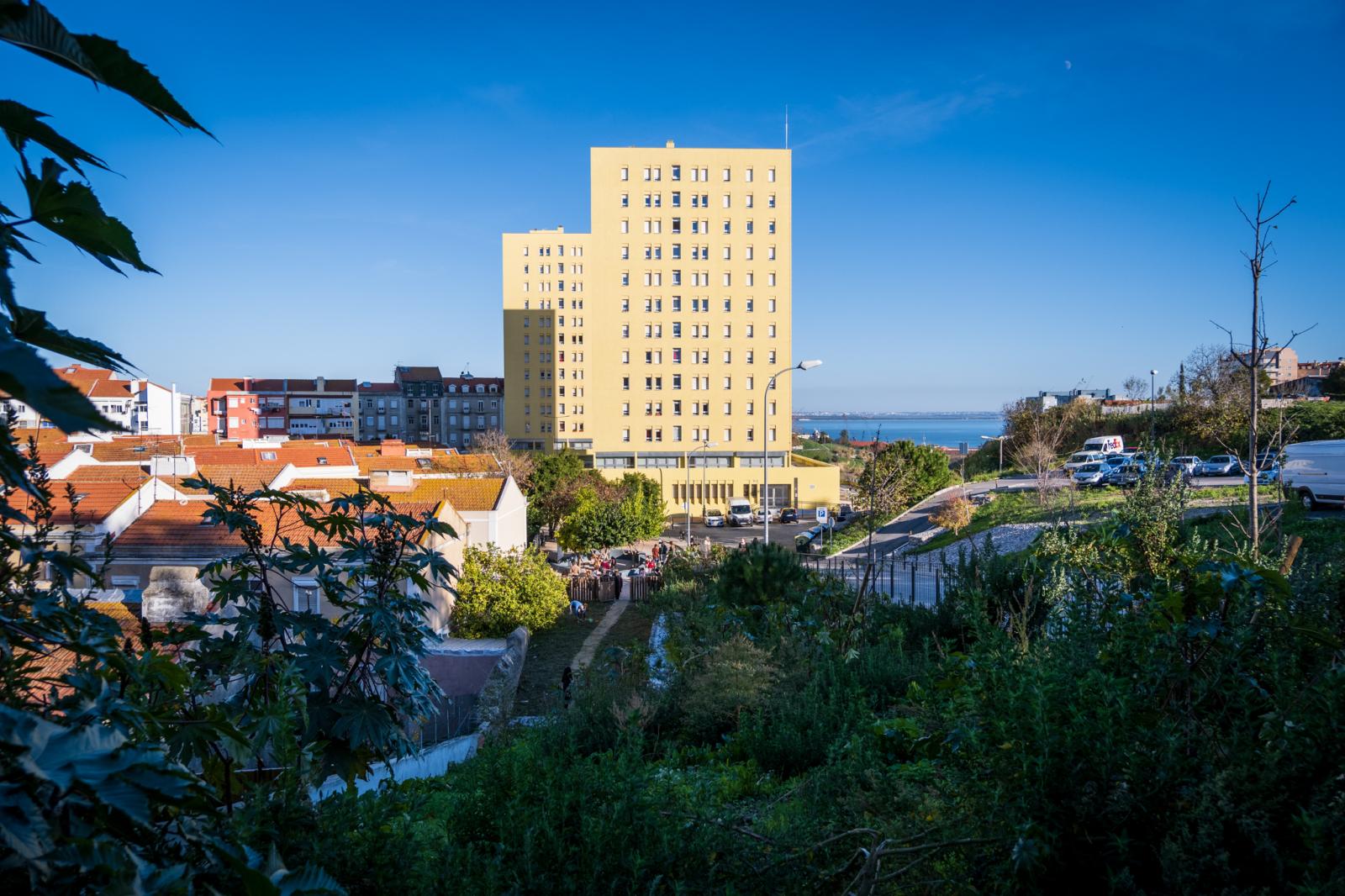
Community vegetable garden in Penha
Ref. 1: Photographs by Mário Rui André/Lisbon for People
Overview
Nature-based solution
- Community gardens and allotments
- Community gardens
- Parks and urban forests
- Pocket parks/neighbourhood green spaces
Key challenges
- Green space, habitats and biodiversity (SDG 15)
- Green space creation and/or management
- Regeneration, land-use and urban development
- Conversion of former industrial areas
- Promote natural styles of landscape design for urban development
- Health and well-being (SDG 3)
- Creation of opportunities for recreation
- Social justice, cohesion and equity (SDG 10)
- Social cohesion
- Social interaction
- Environmental education
- Sustainable consumption and production (SDG 12)
- Sustainable production
- Food scarcity / security
Principal problems in Functional Urban Area (FUA)
- Land use and Socio-economic change
- Rapid urbanization
- Unequal availability and access to public green spaces
Key priorities
Social Justice and community
Focus
Creation of new green areas, Creation of areas for food production (community gardens, allotments), Creation of any other green urban spaces
Project objectives
1. Create more green spaces in densely populated areas with limited access to nature (Ref 2).
2. Foster community engagement and participation (Ref 2).
3. Promote sustainability through citizen-driven urban development (Ref 2).
4. Enhance urban biodiversity by planting around 250 trees and 25,000 smaller plants (Ref 4).
5. Establish a community garden to support local food production and social interaction (Ref 4).
6. Provide recreational spaces, including playgrounds, an amphitheatre, and social areas (Ref 4).
7. Improve residents' quality of life and promote environmental awareness (Ref 2, Ref 4).
8. Encourage social cohesion among local communities (Ref 2).
Implementation activities
1. Participatory Design Process: Neighbourhood assemblies and suggestion boards collected community input to shape the garden’s final design (Ref 2).
2. Construction of Terraced Garden: Terraced levels were built to adapt to the sloped terrain, maximising space use (Ref 2).
3. Installation of Recreational and Social Infrastructure: Playgrounds, an amphitheatre, a slide, and social areas were installed (Ref 2, Ref 4).
4. Community Garden Development: A communal garden was established for shared planting and harvesting (Ref 2, Ref 4).
5. Tree and Planting Efforts: 250 trees and 25,000 smaller plants were planted to enhance biodiversity (Ref 4).
6. Slope Stabilization and Access Improvements: Concrete walls were built, and ramps were added for accessibility (Ref 2).
7. Creation of Social and Educational Programs: Workshops, outdoor cinema, and social gatherings were planned to engage residents (Ref 2).
The lack of green spaces in Arroios and Penha de França is addressed by creating a large, accessible garden. The community-focused design helps overcome social disconnection, while tree planting tackles biodiversity loss and urban heat. Recreational facilities offer new opportunities for leisure in an area previously devoid of them.
Main beneficiaries
- Citizens or community groups
- Marginalized groups: Children, young people or youth groups , People with functional diversities, Socio-economically disadvantaged populations (e.g. low-income households, unemployed)
Governance
Management set-up
- Led by non-government actors
Type of initiating organisation
- Citizens or community group
Participatory approaches/ community involvement
- Co-planning (e.g. stakeholder workshops, focus groups, participatory mapping)
- Consultation (e.g. workshop, surveys, community meetings, town halls)
- Joint implementation (e.g. tree planting)
Details on the roles of the organisations involved in the project
The project was spearheaded by a local movement, led by resident Rita Vieira Cruz, with the design shaped through public input gathered from suggestion boards and assemblies (Ref 2). The Lisbon City Council approved the project and provided administrative support, but the project itself was strongly community-driven (Ref 2, Ref 4).
Project implemented in response to ...
... an EU policy or strategy?
No
... a national policy or strategy?
No
... a local policy or strategy?
Unknown
Type of enablers
Change agents (individual with major role influence on launching)
Financing
Total cost
€2,000,000 - €4,000,000
Source(s) of funding
- Public local authority budget
Type of funding
- Direct funding (grants, subsidies, or self-financed projects by private entities)
Non-financial contribution
Type of non-financial contribution
- Provision of labour
- Provision of expertise
Who provided the non-financial contribution?
- Citizens (e.g. volunteering)
- Private sector (businesses, financial institution)
Impacts and Monitoring
Environmental impacts
- Green space and habitat
- Increased green space area
- Achieved increased green space area
- Increased number of species present
- Achieved increased number of species present
- Restoration of derelict areas
- Achieved restoration of derelict areas
Economic impacts
- Unknown
Socio-cultural impacts
- Social justice and cohesion
- Improved social cohesion
- Expected improved social cohesion
- Improved access to urban green space
- Achieved improved access to urban green space
- Increased opportunities for social interaction
- Expected increased opportunities for social interaction
- Increased involvement of locals in the management of green spaces
- Achieved increased involvement of locals in the management of green spaces
- Health and wellbeing
- Gain in activities for recreation and exercise
- Achieved gain in activities for recreation and exercise
- Education
- Increased knowledge of locals about local nature
- Expected increased knowledge of locals about local nature
Type of reported impacts
Presence of formal monitoring system
Unknown
Presence of indicators used in reporting
Yes
Presence of monitoring/ evaluation reports
No evidence in public records
Availability of a web-based monitoring tool
No evidence in public records
Potential risks of implementation and trade-offs
Unknown
References
1.
André, M. (2021). A community vegetable garden is being born in Penha where everyone will grow for everyone. Lisbon: Accessed on September 5, 2024, [Source link];
2.
Raposo, F. (2022). Lisbon’s new garden is being born. Caracol da Penha will have a slide for adults and a wooded area. Accessed on September 5, 2024, [Source link];
3.
André, M. (2020). In Penha, neighbors got together to create a community garden and... edible. Accessed on September 5, 2024, [Source link];
4.
Lisbon Municipality (2023). Inauguration of the Caracol da Penha Garden - Winning Project OP 2016. Accessed on September 5, 2024,;
5.
City Population (n.d.). ARROIOS Parish in Lisbon District. Accessed on September 5, 2024, [Source link];
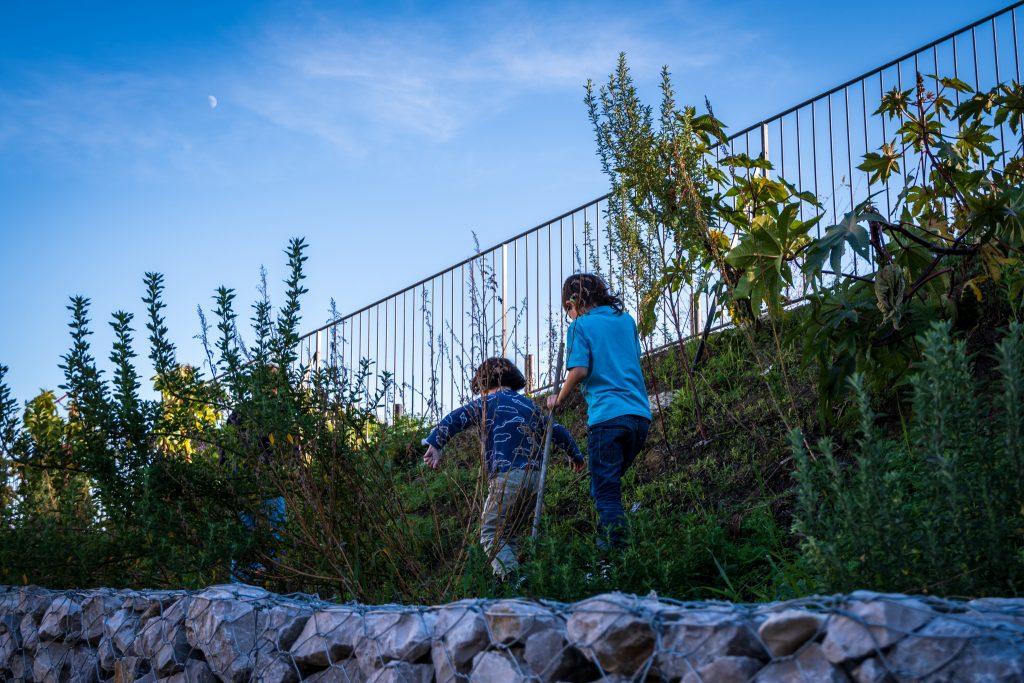
Community vegetable garden in Penha
Ref. 1: Photographs by Mário Rui André/Lisbon for People
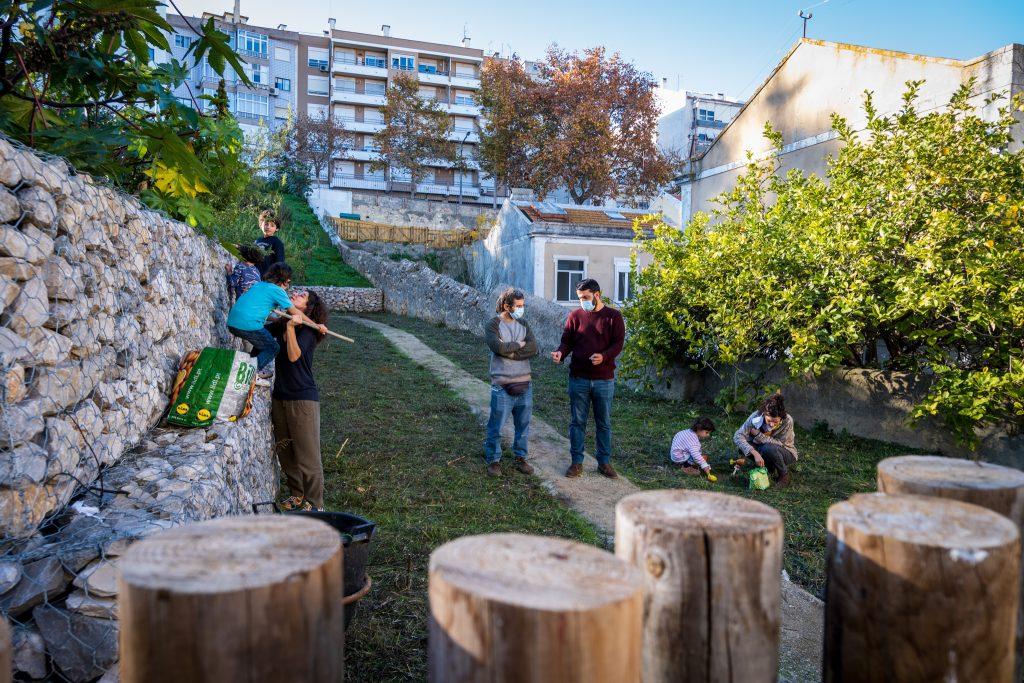
Community vegetable garden in Penha
Ref. 1: Photographs by Mário Rui André/Lisbon for People
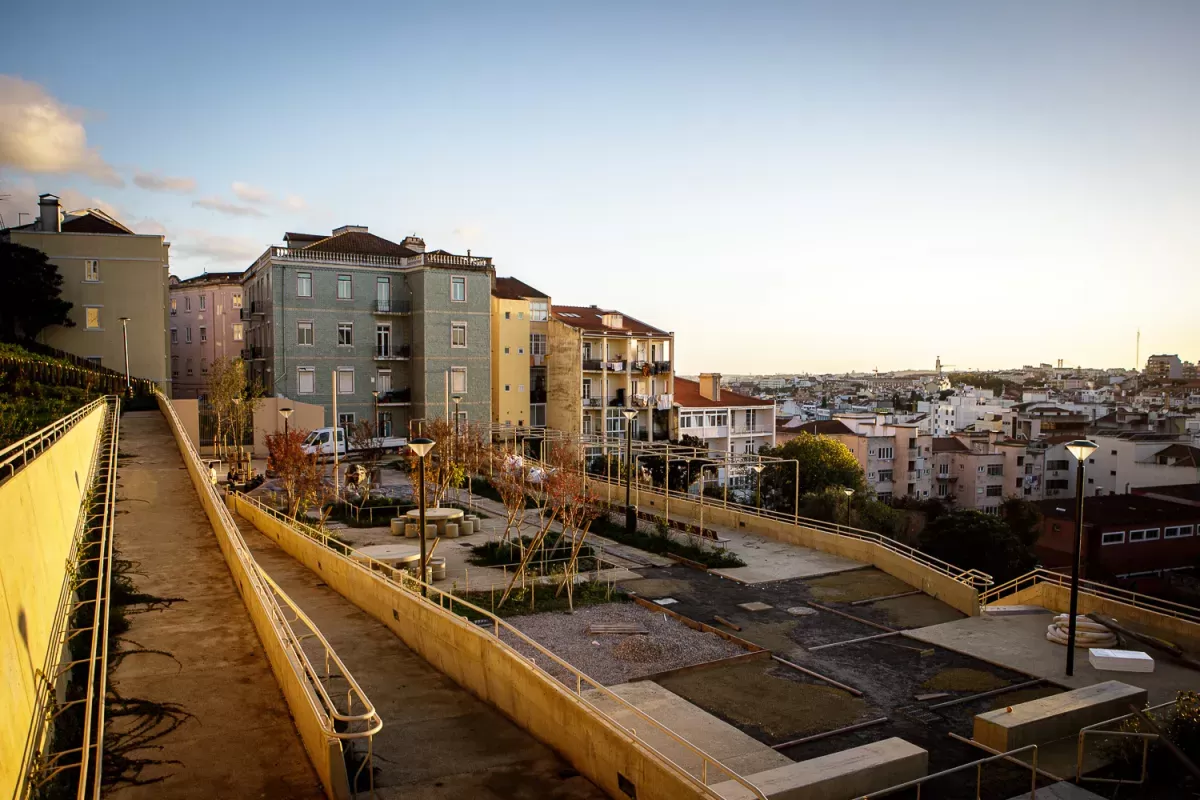
Penha Garden
Inês Leote
 Information about this nature-based solution was collected as part of the Naturescapes project funded by the European Union under Grant Agreement No 101084341.