

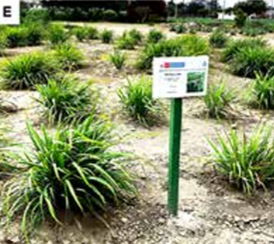
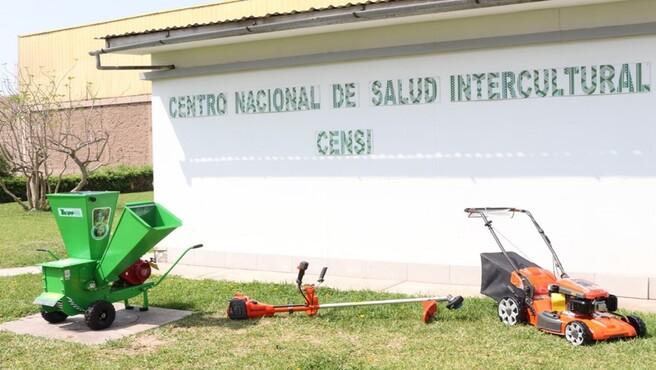
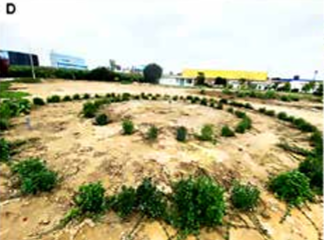
The World Health Organization estimates that 80% of the population in developing countries use medicinal plants for health prevention and care, primarily in rural areas (3). These plant species have therapeutic potential in treating various diseases, and they are considered safe and effective medications with fewer side effects and affordable prices (3). In Peru, medicinal plants have historically been used to treat respiratory, gastrointestinal, and digestive ailments. To this day, they continue to be used by both native and urban communities (3). To promote, develop, and encourage research, innovation, and technologies related to the use, preservation, conservation, and employment of medicinal and food plants, the National Center for Social and Intercultural Research in Health (CENSI) of the National Institute of Health (INS) has inaugurated its medicinal and food plant nursery located in one of its facilities (Chorrillos) in Lima (1, 3). The primary objective of this project is to adapt various species from the coast, mountains, and jungle of the country and initiate a plant production program that contributes to improving public health, environmental quality and the revitalization of the ancestral knowledge of indigenous, Amazonian, Andean, and Afro-Peruvian communities (1). Additionally, it aims to contribute to mitigating the effects of climate change by creating green areas, reducing atmospheric carbon dioxide levels through plant photosynthesis, improving soil quality, and promoting the responsible use of water resources, among others (3). For the development of this project, the INS is working in collaboration with the International Organization for Migration to benefit not only the health and well-being of the Peruvian community but also promote the integration and care of the migrant population in the country (2).
Overview
Nature-based solution
- Community gardens and allotments
- Other
Key challenges
- Climate action for adaptation, resilience and mitigation (SDG 13)
- Climate change mitigation
- Environmental quality
- Air quality improvement
- Green space, habitats and biodiversity (SDG 15)
- Green space creation and/or management
- Cultural heritage and cultural diversity
- Preservation of natural heritage
- Promotion of cultural diversity
- Preservation of historic traditions
- Health and well-being (SDG 3)
- Improving physical health
- Social justice, cohesion and equity (SDG 10)
- Social justice and equity
- Environmental education
- Sustainable consumption and production (SDG 12)
- Sustainable production
- Food scarcity / security
Principal problems in Functional Urban Area (FUA)
- Environmental Degradation
- Soil degradation and loss
- Poor water quality
Key priorities
Focus
Project objectives
Implementation activities
Climate-focused activities
Climate change mitigation:
- Increase the availability of green urban space for carbon storage (street tree cover)
- Install vertical or horizontal artificial surfaces that help with carbon storage and cooling
- Raise public awareness of behaviours, lifestyle and cultural changes with mitigation potential
Main beneficiaries
- Researchers/University
- Citizens or community groups
- Marginalized groups: Refugees, asylum seekers, and migrants
Governance
Management set-up
- Co-governance with government and non-government actors
Type of initiating organisation
- Public sector institution
Participatory approaches/ community involvement
- Dissemination of information and education
Details on the roles of the organisations involved in the project
Project implemented in response to ...
Type of enablers
Financing
Total cost
Source(s) of funding
- Public local authority budget
Type of funding
- Earmarked public budget
Non-financial contribution
- Provision of land
- Provision of goods
- Provision of labour
- Provision of expertise
- Public authorities (e.g. land, utility services)
- Other
Impacts and Monitoring
Environmental impacts
- Green space and habitat
- Increased green space area
- Achieved increased green space area
- Increased number of species present
- Achieved increased number of species present
- Other
Economic impacts
- Increase of green jobs (e.g. paid employment positions)
- Expected increase of green jobs (e.g. paid employment positions)
Socio-cultural impacts
- Social justice and cohesion
- Increased visibility and opportunity for marginalised groups or indigenous peoples
- Expected increased visibility and opportunity for marginalised groups or indigenous peoples
- Increased access to healthy/affordable food
- Achieved increased access to healthy/affordable food
- Cultural heritage and sense of place
- Promotion of cultural diversity
- Achieved promotion of cultural diversity
- Education
- Increased support for education and scientific research
- Expected increased support for education and scientific research
Type of reported impacts
Presence of formal monitoring system
Presence of indicators used in reporting
Presence of monitoring/ evaluation reports
Availability of a web-based monitoring tool
Potential risks of implementation and trade-offs
References
 Information about this nature-based solution was collected as part of the Naturescapes project funded by the European Union under Grant Agreement No 101084341.