

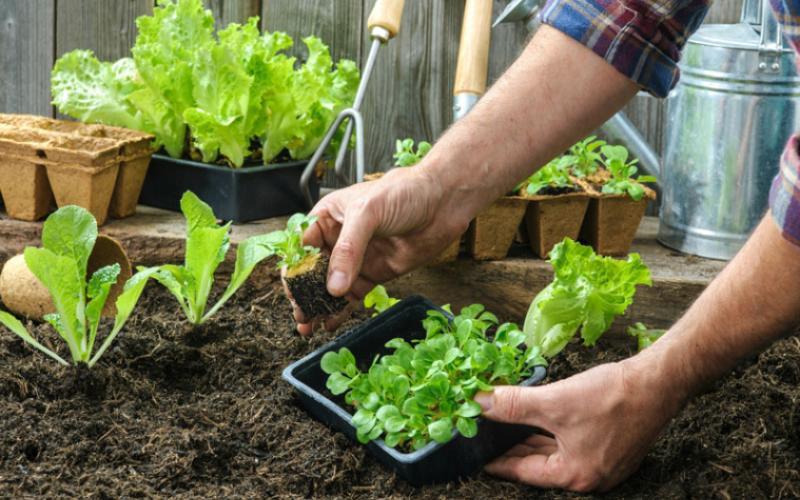
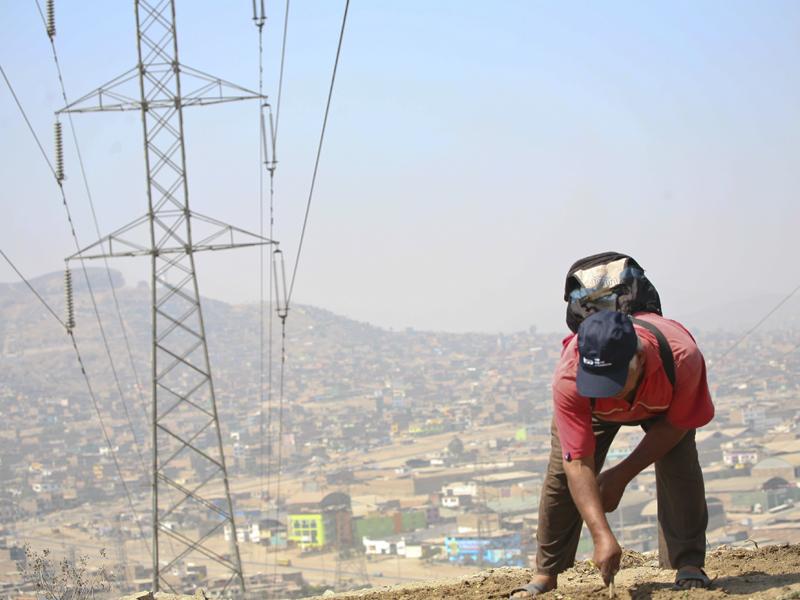
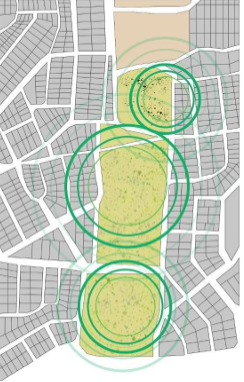
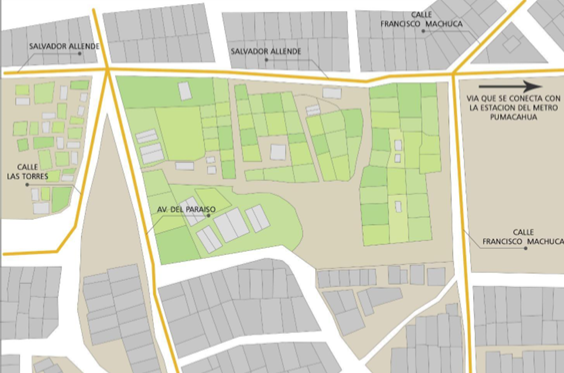
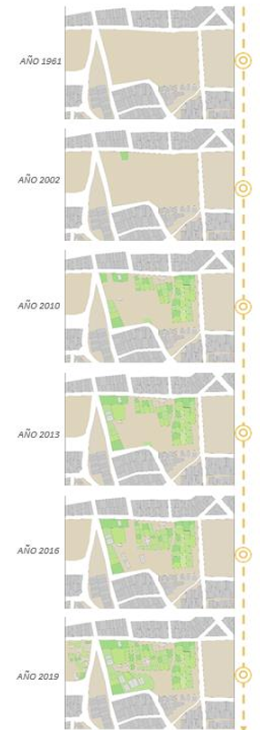
Lima is grappling with significant challenges driven by climate change, and one of the pressing issues is the shortage of green spaces. According to the PLAM 2035 report, Lima offers only 3.1 square meters of green area per inhabitant, well below the World Health Organization's recommendations (2). Moreover, food insecurity is on the rise, with Peru leading the region in this crisis (4). Compounding these issues is the lack of coordination among state actors tasked with addressing the country's food crisis (2). In response to these challenges, the Energy Network of Peru (ISA REP) has been running the "Huertos en Línea" project since 2004 in the districts of Villa María del Triunfo and San Juan de Miraflores as part of its corporate social responsibility initiatives (2, 3, 6). This project aims to establish community gardens that promote environmental awareness, reduce pollution in these affected areas (1, 2), provide food for vulnerable populations, and create income-generating opportunities through the sale of surplus produce (1, 6). The gardens are strategically located in power grid easement strips, which are often plagued by encroachment, burning, and waste accumulation—issues exacerbated by poverty, extreme poverty, and weak social organization in these areas (5, 6). Originally planned with an annual development and growth strategy up to 2011, the project has been extended year by year and has now been active for nearly two decades. Beneficiaries continue to receive technical and material support, and the number of community gardens has grown. In 2019, the initiative expanded to include two bio-gardens in the Trujillo districts of La Esperanza and El Porvenir (7, 9). The project has contributed to improving soil quality, recycling and transforming waste, enhancing landscape aesthetics, reducing burning and waste accumulation, and implementing drip irrigation systems.
Overview
Nature-based solution
- Community gardens and allotments
- Community gardens
Key challenges
- Environmental quality
- Soil quality improvement
- Waste management
- Green space, habitats and biodiversity (SDG 15)
- Green space creation and/or management
- Habitat and biodiversity restoration
- Social justice, cohesion and equity (SDG 10)
- Social justice and equity
- Economic development and employment (SDG 8)
- Economic development: agriculture
- Employment/job creation
- Sustainable consumption and production (SDG 12)
- Sustainable production
- Food scarcity / security
Principal problems in Functional Urban Area (FUA)
- Environmental Degradation
- Soil degradation and loss
- Land use and Socio-economic change
- Limited economic opportunities and local livelihoods
- Unequal availability and access to public green spaces
- Health, Well-being and Social cohesion
- Physical health harm (from pollution, wildfire, extreme temperature)
- Social fragmentation and isolation
- Resource Scarcity and Competition
- Food insecurity due to disruptions in food production and distribution
- Other
Key priorities
Focus
Project objectives
Implementation activities
Specification of climate or environmentally vulnerable communities
Biodiversity conservation or restoration-focused activities
Biodiversity restoration:
- Rehabilitate and restore damaged or destroyed ecosystems
- Restore ecological connectivity
- Public engagement
Main beneficiaries
- Citizens or community groups
- Marginalized groups: Elderly people, Women, Socio-economically disadvantaged populations (e.g. low-income households, unemployed)
Governance
Management set-up
- Led by non-government actors
Type of initiating organisation
- Private sector/corporate actor/company
Participatory approaches/ community involvement
- Joint implementation (e.g. tree planting)
Details on the roles of the organisations involved in the project
Project implemented in response to ...
Type of enablers
Financing
Total cost
Source(s) of funding
- Corporate investment
- Funds provided by non-governmental organization (NGO)
- Multilateral funds/international funding
- Other
Type of funding
- Earmarked public budget
- Direct funding (grants, subsidies, or self-financed projects by private entities)
- Donations
Non-financial contribution
- Provision of land
- Provision of goods
- Provision of expertise
- Public authorities (e.g. land, utility services)
- Private sector (businesses, financial institution)
Impacts and Monitoring
Environmental impacts
- Climate change
- Strengthened capacity to address climate hazards/natural disasters
- Achieved strengthened capacity to address climate hazards/natural disasters
- Environmental quality
- Improved waste management
- Achieved improved waste management
- Improved soil quality
- Achieved improved soil quality
- Green space and habitat
- Increased green space area
- Achieved increased green space area
- Increased conversion of degraded land or soil
- Achieved increased conversion of degraded land or soil
- Restoration of derelict areas
- Achieved restoration of derelict areas
Economic impacts
- Stimulate development in deprived areas
- Achieved stimulate development in deprived areas
- Increase in agricultural production (for profit or not)
- Achieved increase in agricultural production (for profit or not)
- Generation of income from NBS
- Achieved generation of income from NBS
Socio-cultural impacts
- Social justice and cohesion
- Increased visibility and opportunity for marginalised groups or indigenous peoples
- Achieved increased visibility and opportunity for marginalised groups or indigenous peoples
- Increased access to healthy/affordable food
- Achieved increased access to healthy/affordable food
- Increased sustainability of agriculture practices
- Achieved increased sustainability of agriculture practices
- Education
- Increased support for education and scientific research
- Achieved increased support for education and scientific research
- Safety
- Improved community safety to climate-related hazards
- Achieved improved community safety to climate-related hazards
Type of reported impacts
Presence of formal monitoring system
Presence of indicators used in reporting
Presence of monitoring/ evaluation reports
Availability of a web-based monitoring tool
Potential risks of implementation and trade-offs
References
 Information about this nature-based solution was collected as part of the Naturescapes project funded by the European Union under Grant Agreement No 101084341.