Last updated: May 2025
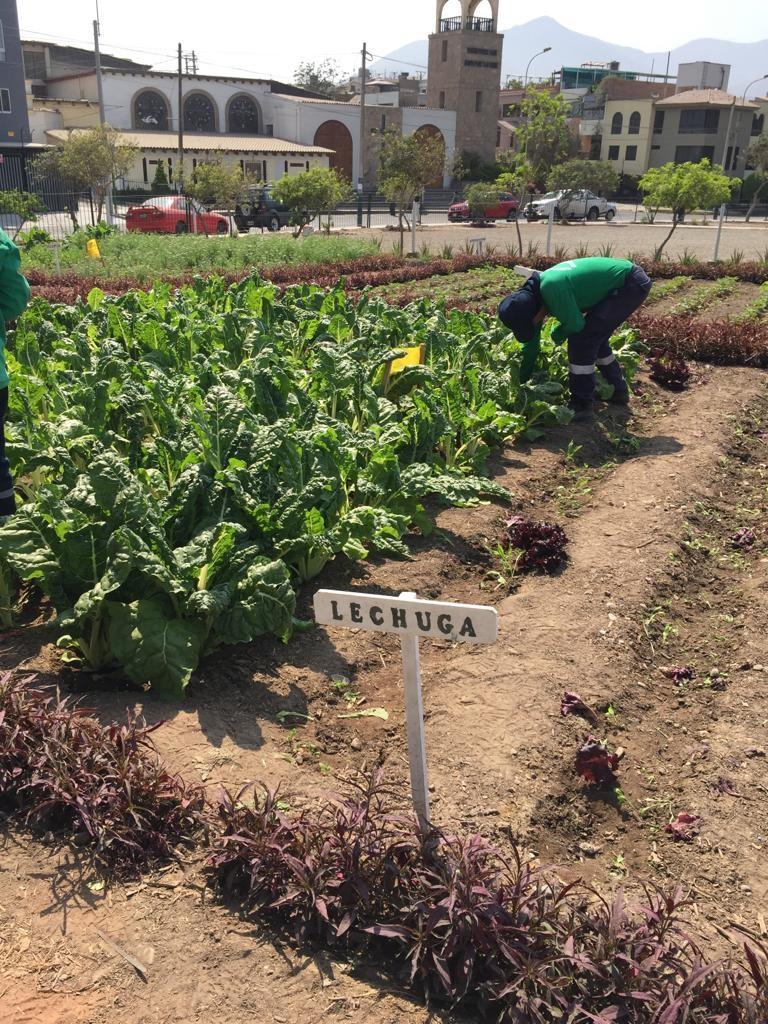
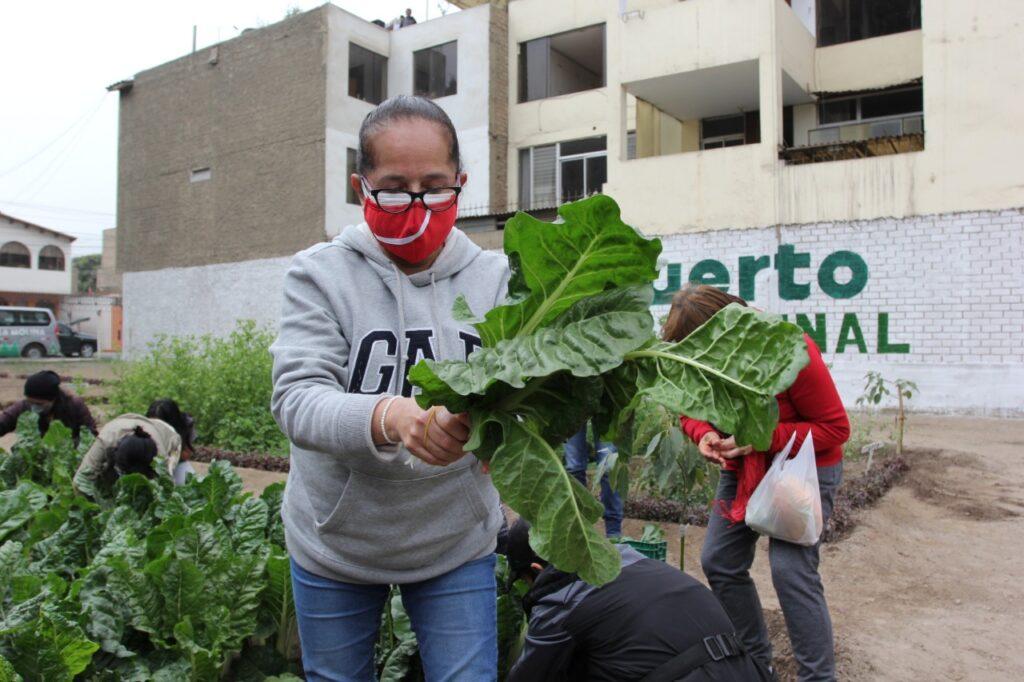
In response to rising food prices and knowing that much of the country's agriculture depends on imported chemical fertilisers, the Municipality of La Molina has developed the Molihuertos programme to provide the residents of the district of La Molina with organic crops for their own consumption and to improve their food security (1, 3). As part of the programme, the municipality implemented municipal plots in different parks in the district. Eleven plots were installed in O'Higgins Park, where residents actively participate in the planting and subsequent harvesting of vegetables, aromatic and medicinal plants, which they consume by themselves (2, 3). Through the programme, the municipality trains and provides different varieties of vegetables and aromatic herbs to more than 800 currently enrolled residents (2). These gardens are managed under organic agriculture, which would help to mitigate a possible overpricing and/or shortage of vegetables in Lima, as they do not depend on chemical fertilisers such as urea, but on organic fertilisers such as compost and manure (3). In addition, residents can sign up to receive drawers with planted vegetables so that they can plant and harvest them at home, either for self-sufficiency or to sell if they wish to do so in the itinerant markets organised by the municipality (9).
Molihuerto
La Molina's Municipality
Overview
Nature-based solution
- Community gardens and allotments
- Community gardens
Key challenges
- Green space, habitats and biodiversity (SDG 15)
- Green space creation and/or management
- Social justice, cohesion and equity (SDG 10)
- Environmental education
- Environmental and climate justice
- Sustainable consumption and production (SDG 12)
- Sustainable production
- Food scarcity / security
Principal problems in Functional Urban Area (FUA)
- Land use and Socio-economic change
- Agriculture/ crop production
- Resource Scarcity and Competition
- Food insecurity due to disruptions in food production and distribution
Key priorities
Social Justice and community
Focus
Creation of new green areas, Creation of areas for food production (community gardens, allotments)
Project objectives
- Provide the residents of the district of La Molina with organic crops for their self-consumption and to improve their food security (1)
- Build sustainable cities that are resilient to change (1)
- Incentivise the cultivation of staple, pesticide-free food crops in households in the district, to encourage urban agriculture (2)
- Allow neighbours to provide for themselves in the event of a famine crisis (3)
Implementation activities
The municipality has implemented municipal plots in different parks of the commune. One of them is Parque O'Higgins, where 11 plots have been installed. These plots allow residents to actively participate in planting and subsequent harvesting vegetables, aromatic plants, and medicinal plants, which are consumed by residents enrolled in the programme (2, 3). In addition, residents who wish can receive crates of vegetables planted in the park for neighbours to grow and harvest in their homes (9).
The district also provides training and different varieties of vegetables and herbs to more than 1000 residents who are currently enrolled in the programme (2, 3). In addition, communication channels have been opened so that residents of La Molina who wish to participate in the Molihuerto programme can talk to specialists in urban agriculture who can guide them in the care of their gardens (2).
Main beneficiaries
- Citizens or community groups
Governance
Type of initiating organisation
- Local government/municipality
Participatory approaches/ community involvement
- Deliberative decision-making processes (e.g., consensus building, deliberative polling)
- Joint implementation (e.g. tree planting)
Details on the roles of the organisations involved in the project
Municipality of Lima: Initiator and executor of the project. Provides specialists who give training and information to project users on how to care for the gardens (1, 2, 3, 4, 5)
Citizens: actors involved in the maintenance of the community gardens, and can start their own gardens at home with the support of the Municipality (2, 3, 4, 5)
Schools: in some of the phases of project implementation, pupils from nearby schools have joined implementation sessions run by the Municipality to learn about urban agriculture (7).
Project implemented in response to ...
... an EU policy or strategy?
Unknown
... a national policy or strategy?
Unknown
... a local policy or strategy?
Yes
(District's food security Policy (4))
Type of enablers
Capacity-building projects
Financing
Source(s) of funding
- Public local authority budget
Non-financial contribution
Type of non-financial contribution
Who provided the non-financial contribution?
- Citizens (e.g. volunteering)
Impacts and Monitoring
Environmental impacts
- Green space and habitat
- Increased green space area
- Achieved increased green space area
- Increased number of species present
- Achieved increased number of species present
Economic impacts
- Increase in agricultural production (for profit or not)
- Achieved increase in agricultural production (for profit or not)
Socio-cultural impacts
- Social justice and cohesion
- Improved access to urban green space
- Achieved improved access to urban green space
- Increased access to healthy/affordable food
- Achieved increased access to healthy/affordable food
- Education
- Increased awareness of NBS and their benefits
- Achieved increased awareness of NBS and their benefits
Presence of formal monitoring system
Unknown
Presence of indicators used in reporting
No evidence in public records
Presence of monitoring/ evaluation reports
No evidence in public records
Availability of a web-based monitoring tool
No evidence in public records
Potential risks of implementation and trade-offs
Social justice and conflicts, Limited access to NBS benefits for certain socio-economic groups
References
1.
La Molina Municipality (n.d.). Molihuertos. Accessed on September 5, 2024, [
Source link];
2.
La Molina Municipality (n.d.). El programa “Molihuerto” promueve la agricultura urbana en el distrito. Accessed on September 5, 2024, [
Source link];
3.
Redacción Trome (2022). La Molina: Municipio instala ‘Molihuertos’ en parques urbanos ante encarecimiento de productos agrícolas. Accessed on September 5, 2024, [
Source link];
4.
El Dominical de Panamericana (2022). Vecinos de La Molina aplican agricultura urbana ante eventual crisis alimentaria. Accessed on September 5, 2024, [
Source link];
5.
El Dominical de Panamericana (2022). Vecinos de La Molina aplican agricultura urbana ante eventual crisis alimentaria. Accessed on September 5, 2024, [
Source link];
6.
GERENCIA DE PLANEAMIENTO, PRESUPUESTO Y DESARROLLO INSTITUCIONAL (2020). COMPENDIO ESTADISTICO Año 2020. Accessed on September 5, 2024, [
Source link];
7.
Instituto Nacional de Estadística e Informática (2020). Planos estratificados de Lima Metropolitana a Nivel de Manzanas 2020. Accessed on September 5, 2024, [
Source link];
8.
GUSTAVO A F Videos (2022). Alcalde de La Molina, vecinos y estudiantes participan de la 4ta implementación de Molihuertos. Accessed on September 5, 2024, [
Source link];
9.
Buenos Días Perú (2020). “Molihuertos”: la nueva alternativa de La Molina para enfrentar la pandemia. Accessed on September 5, 2024, [
Source link];
Community participation in a Molihuerto
La Molina's Municipality

Information about this nature-based solution was collected as part of the
Naturescapes project funded by the European Union under Grant Agreement No 101084341.