

Last updated: June 2024
Liège Trilogiport is a trimodal logistic area of 100 ha located along the Albert Canal, which includes a 15 ha container terminal and a 40 ha logistic area. From early stages of development, particular attention was paid to well-being and quality of life. A considerable effort was made to preserve about ¼ of the total area of Liège Trilogiport as nature area, with more than 25 hectares dedicated to a green welcome zone (Ref. 1).
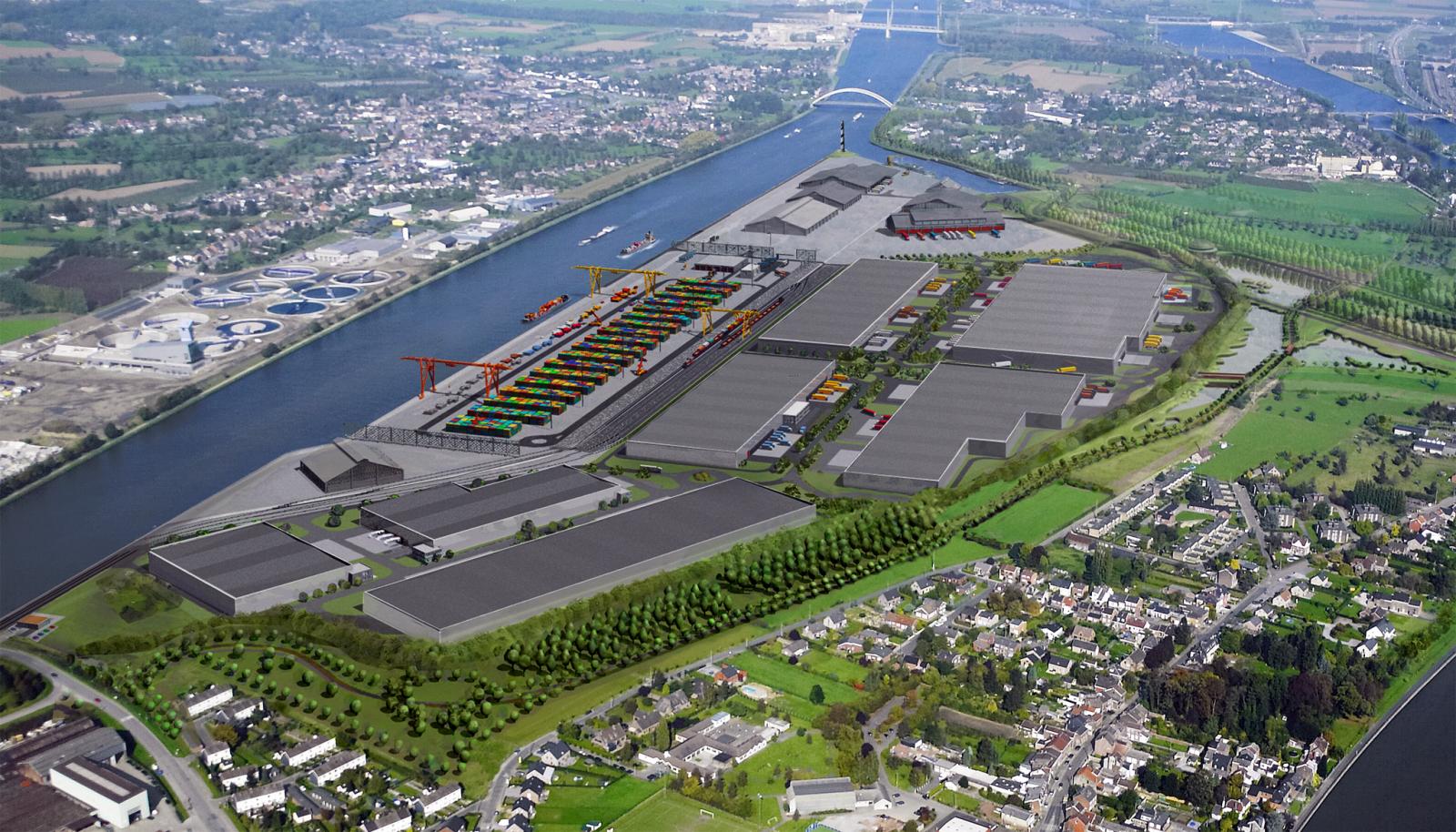
Platform of the Liege Trigoliport
Hélène Thiébaut (Port Autonome de Liege), retrieved 09/11/2018
Overview
Nature-based solution
- Blue infrastructure
- Rivers/streams/canals/estuaries
- In-land wetlands, peatlands, swamps, and moors
- Community gardens and allotments
- Community gardens
- Other
- Grey infrastructure featuring greens
- Riverbank/Lakeside greens
Key challenges
- Environmental quality
- Noise reduction
- Green space, habitats and biodiversity (SDG 15)
- Habitat and biodiversity conservation
- Green space creation and/or management
- Regeneration, land-use and urban development
- Promote natural styles of landscape design for urban development
- Cultural heritage and cultural diversity
- Preservation of natural heritage
- Health and well-being (SDG 3)
- Enabling opportunities for physical activity
- Creation of opportunities for recreation
- Social justice, cohesion and equity (SDG 10)
- Social interaction
- Economic development and employment (SDG 8)
- Economic development: industry
- Employment/job creation
Focus
Creation of new green areas
Project objectives
The Liège Trilogiport's 25 ha welcome zone is a buffer area between the logistic platform and inhabited areas. In this zone, community gardens, biking paths, walking areas, cycling and walking tracks, fishing docks, wetlands promoting biodiversity coexist through an environmental approach that was developed in collaboration with residents’ representatives. Also, a hill landscape will fulfill the role of the acoustic and visual buffer zone. The zone will be also a place of interaction between the port and residents, much more than a curtain to hide activities (Ref. 1).
The Liège Trilogiport project gathers together various assets:
- A trimodal (waterway-rail-road) container terminal (15 ha)
- Logistical plots with the latest generation of warehouses (41.7 ha)
- Port plots (22 ha)
- A tertiary services area (1.8 ha)
- An environmental integration area (25 hectares) (Ref. 3)
Implementation activities
It is important to emphasize the strong will of project stakeholders, who committed to combining economic development, respect for residents’ well-being and preservation of the living environment. For this purpose, the Autonomous Port of Liège and the Walloon Public Service committed to implementing the welcome zone before developing any other part of the multimodal platform. The tendering process for these landscaping works started on 23 May 2012 and the following works have already been carried out:
- Building a fence at the foot of the hill and along the area dedicated to natterjack toads;
- Planting a flower field;
- Planting walnut and fruit trees (old varieties of apples, pears, plums and cherries) in the flower field;
- Planting the hill with seedlings and tillers of local species (forest plants, rose seedlings and tillers);
- Trimming the existing hedges;
- Planting a hedge of local species (forest plants and rose seedlings) along the fence along the flower field (Ref. 1)
"Fruit of the exchanges and the permanent and constructive dialogue with the local residents, this zone of environmental integration contents:
residents by creating orchards and community gardens;
fishermen through pontoons specially made for fishing;
walkers and cyclists with RAVeL;
lovers of nature through waterways with footbridge and a wooded area of 4 hectares;
protected toads;
and the local flora and fauna!" (Ref. 5).
"Also, a hill landscape will fulfil the role of acoustic and visual buffer zone. But the welcome zone will be design as a place of interaction between the port and residents, much more than a curtain to hide activities" (Ref. 1).
Biodiversity conservation or restoration-focused activities
Biodiversity conservation:
- Protect and enhance urban habitats
- Preserve and strengthen existing habitats and ecosystems
- Reduce negative impacts and avoid the alteration/damage of ecosystem
- Protect species
- Undertake specific measures to protect species
Main beneficiaries
- Local government/Municipality
- Private sector/Corporate/Company
- Citizens or community groups
Governance
Management set-up
- Government-led
Type of initiating organisation
- Local government/municipality
- Public sector institution
- Transnational network
Participatory approaches/ community involvement
- Dissemination of information and education
- Consultation (e.g. workshop, surveys, community meetings, town halls)
- Citizen monitoring and review
Details on the roles of the organisations involved in the project
Connecting Citizen Ports 21 network brings together 7 major inland ports and intends to promote connectivity and sustainable transport by optimising the organisation of freight logistics and sustainable spatial development of inland ports. (1 of the 7 major inland ports is Port of Liege) (Ref. 1). "A reflection of the development of the Liège Trilogiport multimodal port area was carried out by the Autonomous Port of Liège and the Public Service of Wallonia so that the project can be integrated as well as possible between the Albert Canal and the village of Hermalle-sous-Argenteau" (Ref. 5).
Project implemented in response to ...
... an EU policy or strategy?
Yes
(Interreg IVB NWE (North West Europe) Programme. Interreg is a financial instrument of the European Union’s Cohesion Policy. It funds projects which support transnational cooperation (Ref. 2). )
... a national policy or strategy?
Unknown
... a local policy or strategy?
Unknown
Financing
Total cost
More than €4,000,000
Source(s) of funding
- Public local authority budget
- EU funds
Type of funding
- Earmarked public budget
- Direct funding (grants, subsidies, or self-financed projects by private entities)
Non-financial contribution
Unknown
Impacts and Monitoring
Environmental impacts
- Environmental quality
- Reduced noise exposure
- Green space and habitat
- Increased green space area
- Increased conservation or restoration of ecosystems
- Increased protection of threatened species
Economic impacts
- Increase of green jobs (e.g. paid employment positions)
- Increase in agricultural production (for profit or not)
- Attraction of business and investment
Socio-cultural impacts
- Social justice and cohesion
- Improved access to urban green space
- Increased opportunities for social interaction
- Increased access to healthy/affordable food
- Health and wellbeing
- Gain in activities for recreation and exercise
- Cultural heritage and sense of place
- Protection of natural heritage
Type of reported impacts
Expected impacts, Achieved impacts
Presence of formal monitoring system
Yes
Presence of indicators used in reporting
Yes
Presence of monitoring/ evaluation reports
Yes
Availability of a web-based monitoring tool
No evidence in public records
References
(1) CCP21 project website: Available at: Source link (Accessed: October 13, 2020).
(2) Hanseatic Transport Consultancy (n.d.). Development of a transferable toolbox based on the deliverables of the CCP21 project. [pdf] (Document attached).
(3) Liege Port Authority (n.d.). Port de Liege website. Available at: Source link (Accessed: October 13, 2020).
(4) Liege Port Authority (n.d.). Trilogiport budget. Available at: Source link (Accessed: October 13, 2020).
(5) Available at: Source link (Accessed: October 13, 2020).
(2) Hanseatic Transport Consultancy (n.d.). Development of a transferable toolbox based on the deliverables of the CCP21 project. [pdf] (Document attached).
(3) Liege Port Authority (n.d.). Port de Liege website. Available at: Source link (Accessed: October 13, 2020).
(4) Liege Port Authority (n.d.). Trilogiport budget. Available at: Source link (Accessed: October 13, 2020).
(5) Available at: Source link (Accessed: October 13, 2020).
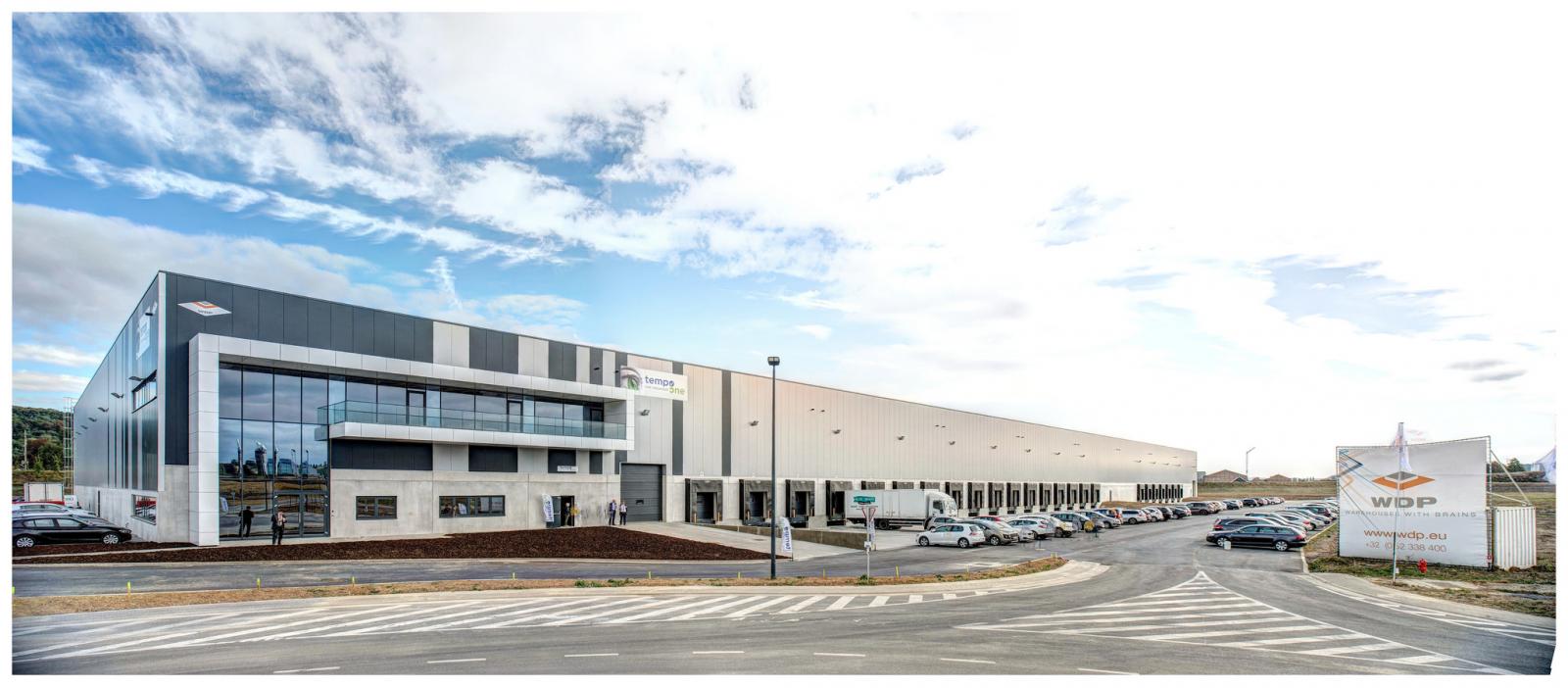
Logistics Hall of the Liege Trigoliport
Hélène Thiébaut (Port Autonome de Liege), retrieved 09/11/2018