

Last updated: June 2024
Due to human interventions into the natural river flow with dykes, drainage of agricultural and grassland or cutting off its water bodies, the wetland Elster-Luppe had lost its groundwater base which decreased its biodiversity. With the support of the regional biodiversity fund and building on previous efforts, the city of Leipzig, together with partners such as the NABU Sachsen and research institutions, has revitalized, renaturalized and connected the water bodies of Leipzig's North-Western wetlands to one continuous watercourse since 2012. Its objective is restoring its ecosystem functions and increasing awareness for the importance of wetlands (4, 5).
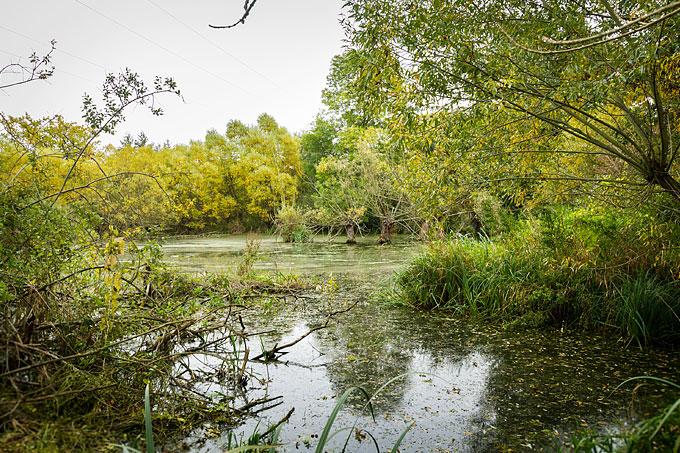
Source: https://sachsen.nabu.de/naturundlandschaft/gewaesser/20084.html
Overview
Nature-based solution
- Blue infrastructure
- Rivers/streams/canals/estuaries
- In-land wetlands, peatlands, swamps, and moors
- Parks and urban forests
- Large urban parks or forests
Key challenges
- Climate action for adaptation, resilience and mitigation (SDG 13)
- Climate change mitigation
- Environmental quality
- Air quality improvement
- Green space, habitats and biodiversity (SDG 15)
- Habitat and biodiversity restoration
- Habitat and biodiversity conservation
- Water management (SDG 6)
- Flood protection
- Improvements to water quality
- Health and well-being (SDG 3)
- Creation of opportunities for recreation
- Social justice, cohesion and equity (SDG 10)
- Environmental education
Focus
Management and improved protection of rivers and other blue areas, Ecological restoration of ecosystems, Protection of natural ecosystems, Knowledge creation and awareness raising, Monitoring and maintenance of habitats and/or biodiversity
Project objectives
1. Counteracting the water shortage in the floodplain forest and to give the floodplain new and important lifelines (2);
2. Improving the water balance and water supply of the flood plains, combating their continuous drainage (3);
3. Securing and reestablishing important ecosystem services of the flood plains, such as climate regulation, fresh air supply, water retention capacity and recreation (2, 3, 10);
4. Raising awareness of and public knowledge about these ecosystem services and their importance via educational and experience-oriented services (2,5);
4. Conserving biodiversity in the area (10).
Implementation activities
- Restoration original river watercourses were revived and connected to two watercourses in the Northern and Southern part of the "New Luppe" (3)
- Revival several old watercourses of the flood plains and implementation of new connection ditches to improve the water flow and connect the water bodies of the flood plains.
- Implementation of outlets, bridges and regulating instruments (6).
- Reparation of a water inlet installation to secure the conservation and revival of habitats for amphibians. (7)
- Introduction of floods in remote areas, which bring vital flooding into the floodplains (2)
- Renovation of the underground pipelines of two footpath crossings congested with mud (7).
- Development of environmental education facilities including multimedia nature trails, thematic guided tours for all age groups as well as eco-pedagogical courses for children and youth (3)
Climate-focused activities
Climate change mitigation:
- Increase green urban nature for carbon storage (wetlands, tree cover)
- Raise public awareness of behaviours, lifestyle and cultural changes with mitigation potential
Biodiversity conservation or restoration-focused activities
Biodiversity conservation:
- Protect and enhance urban habitats
- Preserve and strengthen existing habitats and ecosystems
- Promote environmentally-sound development in and around protected areas
- Reduce negative impacts and avoid the alteration/damage of ecosystem
- Means for conservation governance
- Raise public awareness
- Public engagement
Biodiversity restoration:
- Rehabilitate and restore damaged or destroyed ecosystems
- Public engagement
Main beneficiaries
- Local government/Municipality
- Non-government organisation/Civil Society
- Citizens or community groups
Governance
Management set-up
- Co-governance with government and non-government actors
Type of initiating organisation
- Local government/municipality
- Non-government organisation/civil society
Participatory approaches/ community involvement
- Dissemination of information and education
Details on the roles of the organisations involved in the project
The project measures are carried out by the city of Leipzig through the Department of Environment Public order, Sport and the Office of Urban Green and Water, the city of Schkeuditz and the NABU Sachsen. As research institutions, the Helmholtz Centre for Environmental Research and the University of Leipzig are responsible for the scientific support of the project through monitoring and analysis. In addition, the NABU has implemented the connected information center for citizens (2,5,10)
Project implemented in response to ...
... an EU policy or strategy?
Unknown
... a national policy or strategy?
Yes
(The intervention was a response to the Federal Biological Diversity Program, implemented by the Federal Agency for Nature Conservation and on the regional level supported by its Regional Programme since 2011. The programme provides funding to projects that have a representative and role model character in this field. Funding focus areas are biodiversity hotspots in Germany and safeguarding ecosystem services (8). The Lebendige Luppe was the first Saxon project to receive funding from the Program (4).)
... a local policy or strategy?
Yes
(There is a regional action concept which the activities of the Green Ring Leipzig follow and which has provided guidance for their measures in the Luppe area. It containes 14 key project in the cities and municipalities of the GRL (Ref. 11).
Furthermore, the integrated urban development concept for Leipzig ("integriertes Stadtentwicklungskonzept") determines the objectives, urban areas and focus areas for development and contains a set of central measures; it provides the base for cross-departmental administrative action, collaboration and participation of non-governmental actors. The development of the flood plains including the Luppe around Leipzig's Au-forest are mentioned in the latter (Ref. 12). )
Financing
Total cost
More than €4,000,000
Source(s) of funding
- Public local authority budget
- Public national budget
- Public regional budget
Type of funding
- Earmarked public budget
- Direct funding (grants, subsidies, or self-financed projects by private entities)
Non-financial contribution
Unknown
Impacts and Monitoring
Environmental impacts
- Climate change
- Strengthened capacity to address climate hazards/natural disasters
- Enhanced carbon sequestration
- Water management and blue areas
- Improved water quality
- Increased protection against flooding
- Enhanced protection and restoration of freshwater ecosystems
- Green space and habitat
- Increase in protected green space areas
- Increased conservation or restoration of ecosystems
- Reduced biodiversity loss
Economic impacts
- Unknown
Socio-cultural impacts
- Health and wellbeing
- Gain in activities for recreation and exercise
- Education
- Increased support for education and scientific research
- Increased knowledge of locals about local nature
- Increased awareness of NBS and their benefits
Type of reported impacts
Expected impacts
Presence of formal monitoring system
Yes
Presence of indicators used in reporting
Yes
Presence of monitoring/ evaluation reports
No evidence in public records
Availability of a web-based monitoring tool
No evidence in public records
References
1. Naturbund Sachsen. (n/a). Das Projekt „Lebendige Luppe“. Accessed on October 8, 2020, Source link
2. NABU-Landesverband Sachsen e.V. (2017). Lebendige Luppe. Projektidee. Accessed on October 8, 2020, Source link
3. Stadt Leipzig and NABU-Landesverband Sachsen e.V. (2013). ‘Lebendige Luppe. Attraktive Auenlandschaft als Leipziger Lebensader’. Leipzig. Accessed on October 8, 2020, Source link
4. Naturschutzbund Deutschland (NABU). (n/a). Lebendige Luppe. Accessed on October 8, 2020, Source link
5. Stadt Leipzig. (2017). Projekt Lebendige Luppe. Accessed on October 8, 2020, Source link
6. NABU-Landesverband Sachsen e.V. (2017). Baumaßnahmen der Stadt Leipzig. Accessed on October 8, 2020, Source link
7. NABU-Landesverband Sachsen e.V. (2017). Baumaßnahmen des NABU Sachsen. Accessed on October 8, 2020, Source link
8. Bundesamt für Naturschutz (2017). Bundesprogramm Biologische Vielfalt. Website not available
9. NABU-Landesverband Sachsen e.V. (2017d) Naturwissenschaftliche Begleitforschung. Accessed on October 8, 2020, Source link
10. Stadt Leipzig Bürgerservice und Verwaltung. (2017). Erhalt Leipziger Auen Stadt Leipzig und Landesverband Sachsen des NABU e. V. erhalten Fördermittel aus Bundesprogramm. Accessed on October 8, 2020, Source link
11. Grüner Ring Leipzig. (2016). Der Grüne Ring Leipzig. Was wir machen. Accessed on October 8, 2020, Source link
12. Dezernat Stadtentwicklung und -bau. (2009). Integriertes Stadtentwicklungskonzept Leipzig 2020 (SEKo). Leipzig. Accessed on October 8, 2020, Source link
13. NABU-Landesverband Sachsen e.V. (2017). Auwaldmonitoring mit Grundwasserloggern, Bodengruben und Waldinventur. Available at: Source link
14. NABU-Landesverband Sachsen e.V. (n/a). Ökosystemleistungen. Accessed on October 8, 2020, Source link
2. NABU-Landesverband Sachsen e.V. (2017). Lebendige Luppe. Projektidee. Accessed on October 8, 2020, Source link
3. Stadt Leipzig and NABU-Landesverband Sachsen e.V. (2013). ‘Lebendige Luppe. Attraktive Auenlandschaft als Leipziger Lebensader’. Leipzig. Accessed on October 8, 2020, Source link
4. Naturschutzbund Deutschland (NABU). (n/a). Lebendige Luppe. Accessed on October 8, 2020, Source link
5. Stadt Leipzig. (2017). Projekt Lebendige Luppe. Accessed on October 8, 2020, Source link
6. NABU-Landesverband Sachsen e.V. (2017). Baumaßnahmen der Stadt Leipzig. Accessed on October 8, 2020, Source link
7. NABU-Landesverband Sachsen e.V. (2017). Baumaßnahmen des NABU Sachsen. Accessed on October 8, 2020, Source link
8. Bundesamt für Naturschutz (2017). Bundesprogramm Biologische Vielfalt. Website not available
9. NABU-Landesverband Sachsen e.V. (2017d) Naturwissenschaftliche Begleitforschung. Accessed on October 8, 2020, Source link
10. Stadt Leipzig Bürgerservice und Verwaltung. (2017). Erhalt Leipziger Auen Stadt Leipzig und Landesverband Sachsen des NABU e. V. erhalten Fördermittel aus Bundesprogramm. Accessed on October 8, 2020, Source link
11. Grüner Ring Leipzig. (2016). Der Grüne Ring Leipzig. Was wir machen. Accessed on October 8, 2020, Source link
12. Dezernat Stadtentwicklung und -bau. (2009). Integriertes Stadtentwicklungskonzept Leipzig 2020 (SEKo). Leipzig. Accessed on October 8, 2020, Source link
13. NABU-Landesverband Sachsen e.V. (2017). Auwaldmonitoring mit Grundwasserloggern, Bodengruben und Waldinventur. Available at: Source link
14. NABU-Landesverband Sachsen e.V. (n/a). Ökosystemleistungen. Accessed on October 8, 2020, Source link
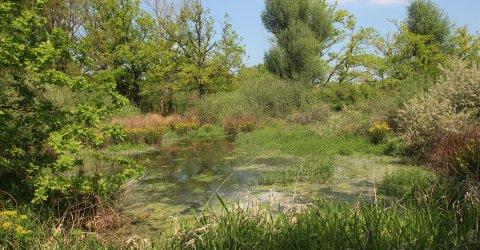
Source: https://lebendige-luppe.de/index.php?article_id=18
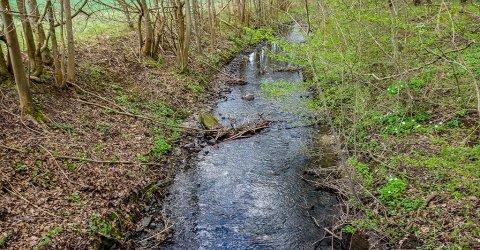
Source: https://lebendige-luppe.de/index.php?article_id=25
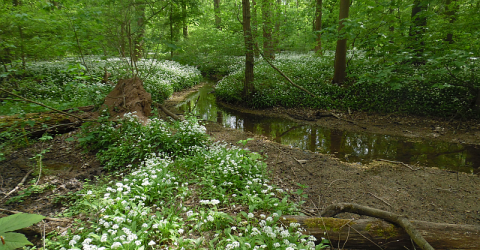
Source: https://lebendige-luppe.de/index.php?article_id=26