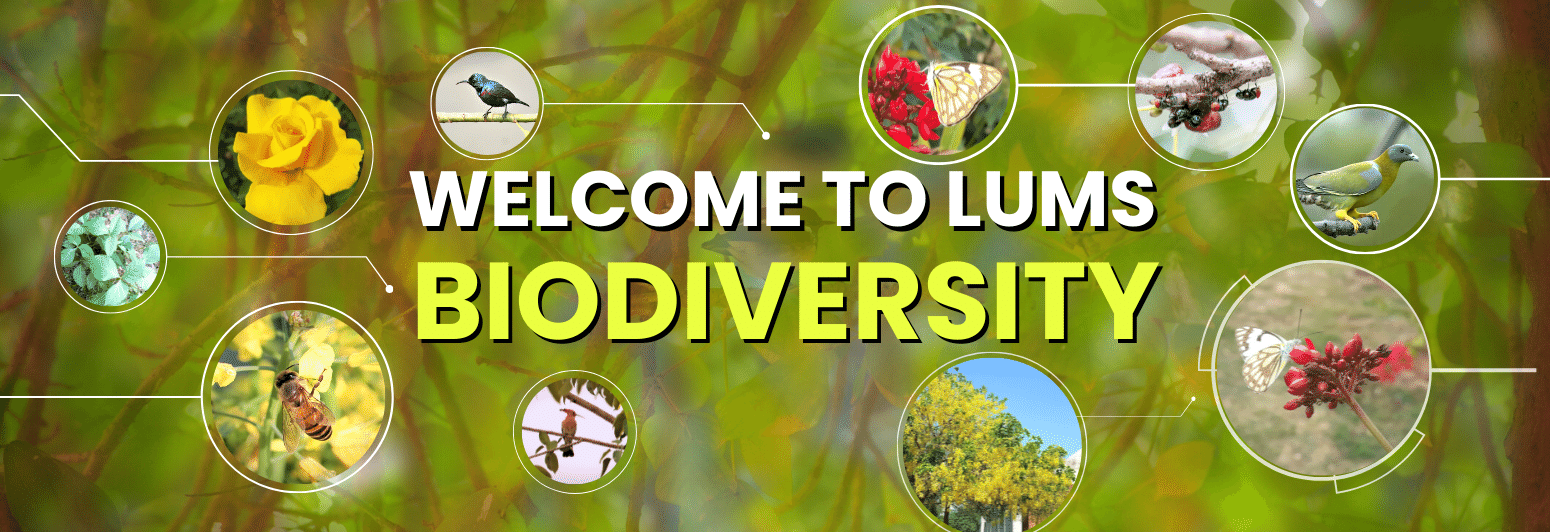
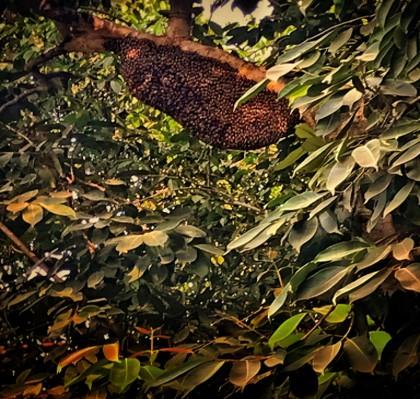
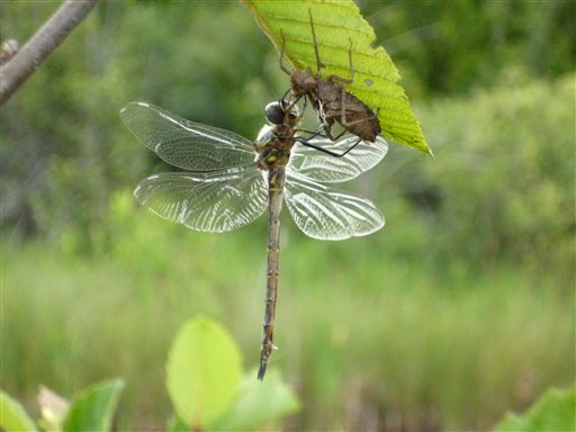
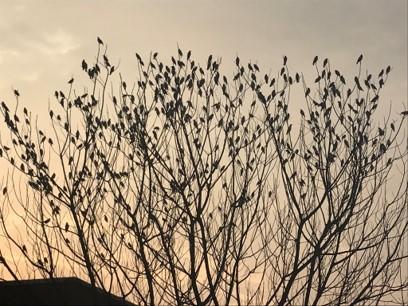
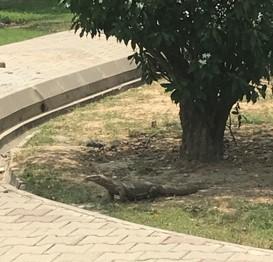
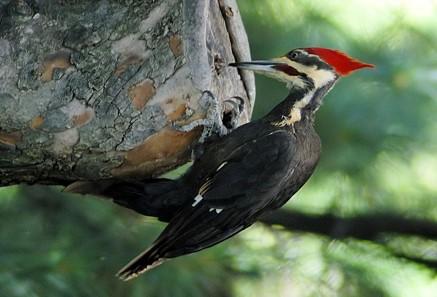
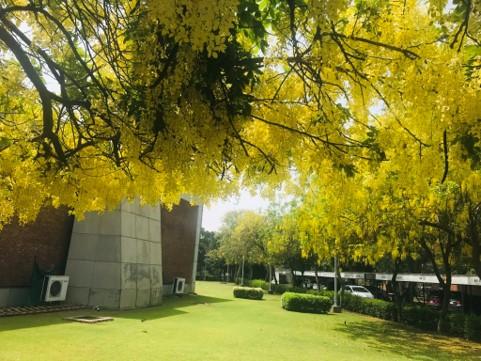
Lahore University of Management Sciences (LUMS) is a private research university located in the main residential area of Lahore City and is spread over a 100-acre area and hosts various plant and bird species. The Life Sciences Department of LUMS collaborated with the Botany Department at the Government College University to plant some rare species of endangered trees at LUMS. The project aims to preserve the ecosystem on the LUMS campus and develop an inventory of plants and animals commonly found on the campus. Taxonomic expertise and the modern science of DNA sequencing are used in the analysis and identification of plants. Additionally, LUMS aims to be the first University in Pakistan to set up a national biosurveillance system that would track biodiversity at all documented sites with their GPS coordinates across the whole campus. It envisions creating knowledge and awareness about the importance of the diverse biodiversity found on campus. It will enhance the effective management of present resources to preserve them for future generations. These findings may potentially serve numerous disciplines from other departments and also increase information and effective management of wildlife on campus. (Ref: 1, 2, 3)
Overview
Nature-based solution
- Grey infrastructure featuring greens
- Institutional green space
Key challenges
- Green space, habitats and biodiversity (SDG 15)
- Habitat and biodiversity restoration
- Habitat and biodiversity conservation
- Green space creation and/or management
- Inclusive and effective governance (SDG 16)
- Effective management
- Social justice, cohesion and equity (SDG 10)
- Environmental education
Focus
Project objectives
Implementation activities
Biodiversity conservation or restoration-focused activities
Biodiversity conservation:
- Protect and enhance urban habitats
- Preserve and strengthen existing habitats and ecosystems
- Preserve and strengthen habitat connectivity
- Protect species
- Undertake specific measures to protect species
- Undertake specific measures to protect native species
- Undertake specific measures to protect endangered species
- Undertake specific measures to protect valued species
- Means for conservation governance
- Manage biological resources for conservation and sustainable use
- Create and use scientific knowledge for conservation
Biodiversity restoration:
- Restore species (native, endangered, or unspecified)
- Restore native species
- Restore valued species
- Restore ecological connectivity
Main beneficiaries
- Local government/Municipality
- Public sector institution (e.g. school or hospital)
- Researchers/University
- Citizens or community groups
- Young people and children
Governance
Management set-up
- Led by non-government actors
Type of initiating organisation
- Public sector institution
- Researchers/university
Participatory approaches/ community involvement
- Taskforce groups
- Dissemination of information and education
- Consultation (e.g. workshop, surveys, community meetings, town halls)
- Co-management/Joint management
Details on the roles of the organisations involved in the project
Project implemented in response to ...
Financing
Total cost
Source(s) of funding
- Research organisation / University
Type of funding
- Unknown
Non-financial contribution
Impacts and Monitoring
Environmental impacts
- Green space and habitat
- Increased green space area
- Increased number of species present
- Increased protection of threatened species
Economic impacts
- Unknown
Socio-cultural impacts
- Education
- Increased support for education and scientific research
- Increased knowledge of locals about local nature
Type of reported impacts
Presence of formal monitoring system
Presence of indicators used in reporting
Presence of monitoring/ evaluation reports
Availability of a web-based monitoring tool
References
2. LUMS. (2022). Biodiversity at LUMS. Available at: Source link (Accessed: January 22, 2023)
3. Syed Babar Ali School of Science and Engineering. (2022). LUMS: A country of Butterflies and Fireflies. Available at: Source link (Accessed: January 20, 2023)
4. BIOSCAN (no date), Ibol program, available at Source link (accessed: January 31, 2023)
5. BIOSCAN (2019), DNA BARCODING PAKISTAN'S BIODIVERSITY: SCIENTISTS LAUNCH PAKBOL, available at Source link (accessed: January 31, 2023)