

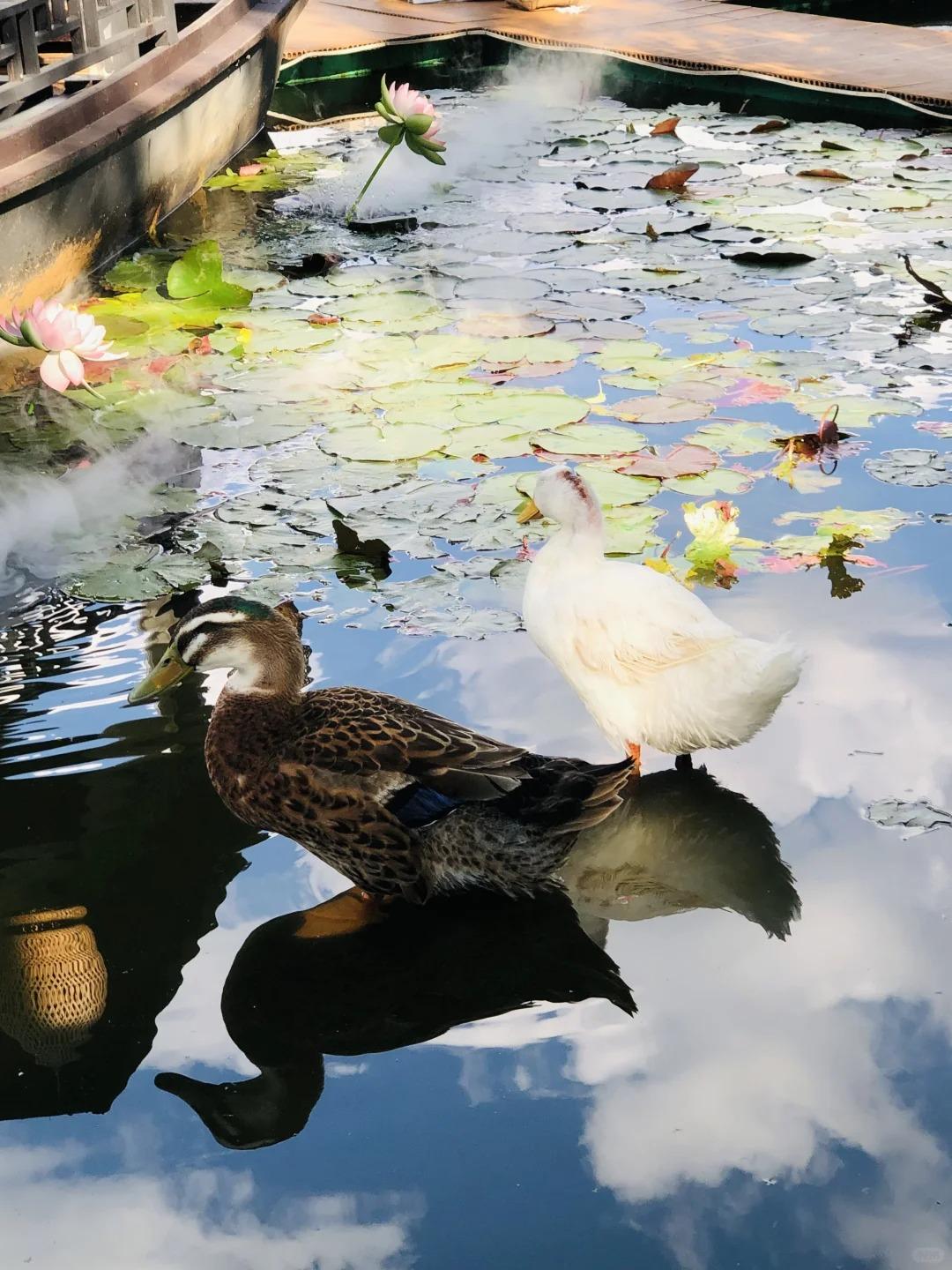
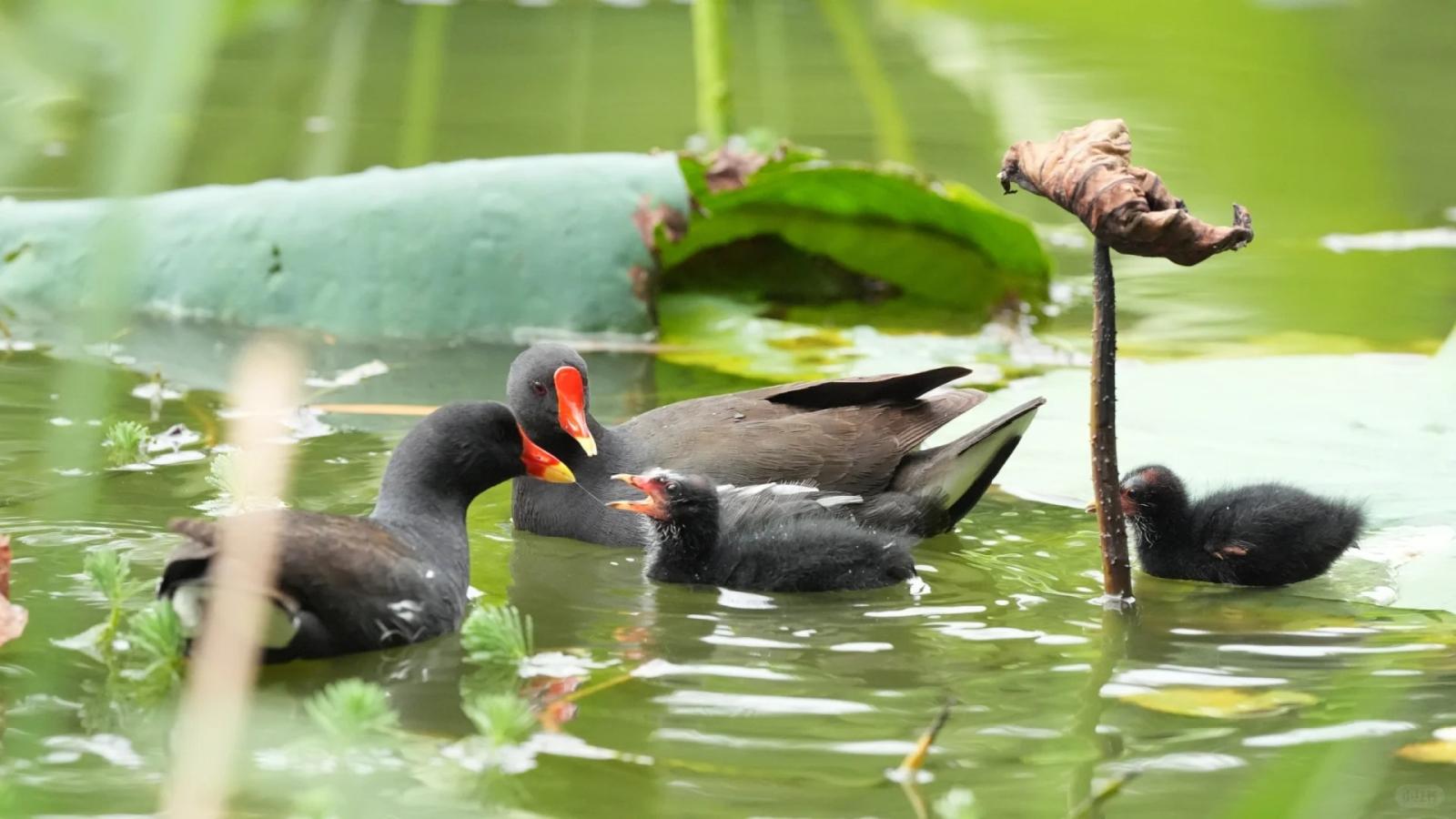
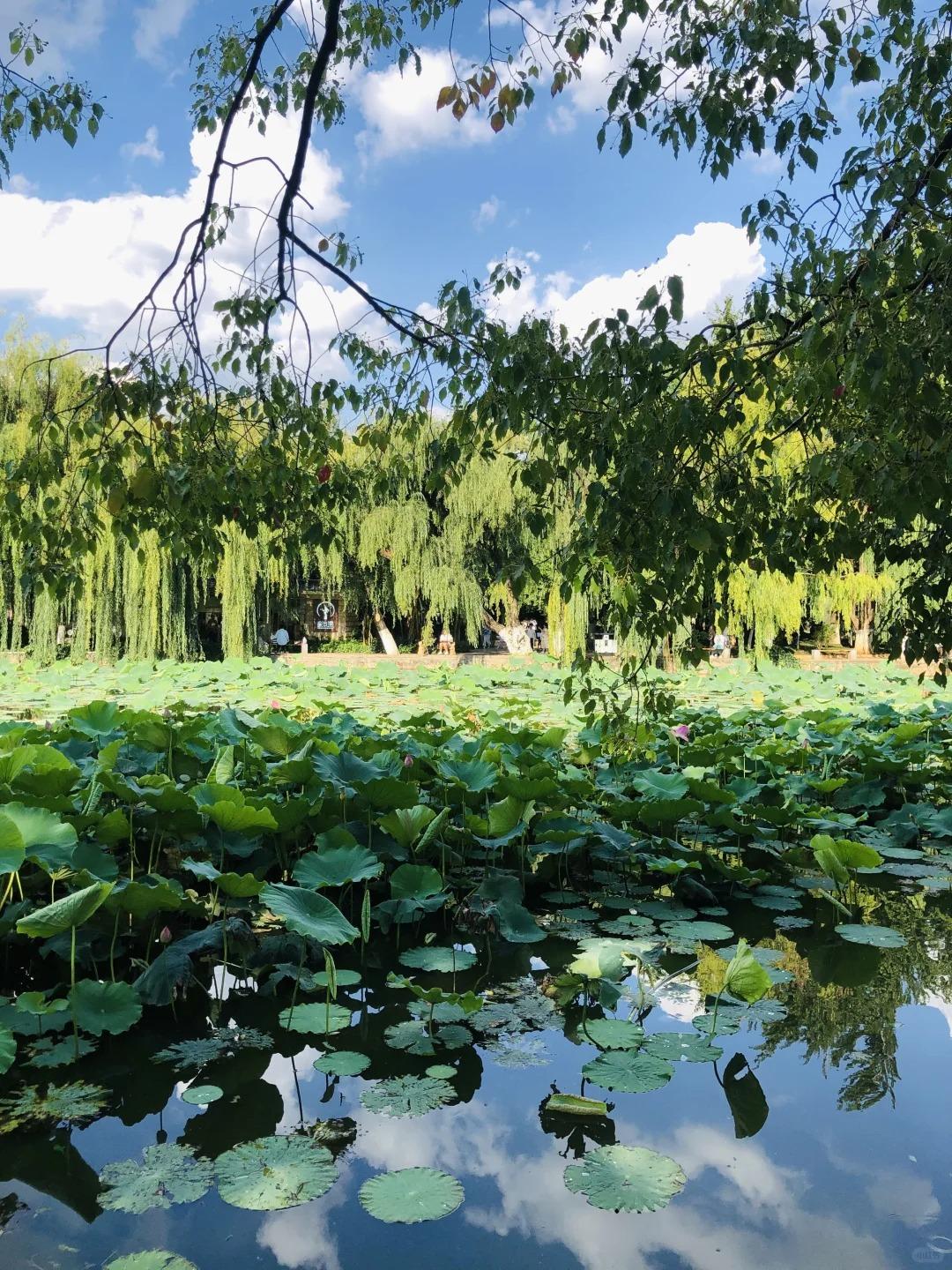
In the 1980s, rapid industrialization, urban population growth, and increased water usage led to severe pollution in Dianchi Lake, exceeding its environmental capacity and significantly degrading its water quality (Ref 1). This deterioration had serious effects on nearby ecosystems, including Cuihu Lake (Ref 2). Cuihu Lake (翠湖), also known as Green Lake Park, is a well-known park and body of water in the center of Kunming, Yunnan Province, China. In Cuihu lake the decline in water quality caused a sharp reduction in native species like the golden line barb, which depend on the local ecosystem for survival, pushing them to near extinction and destabilizing the entire ecosystem (ibid.). To address this, several effective initiatives have been launched to restore Cuihu Lake’s ecosystem in recent years (Ref 2, 3). One of them was started in 2020 when a restoration project was initiated by the site's administration in collaboration with Dr. Li Weiwei’s team from the Kunming Institute of Zoology, Chinese Academy of Sciences. The project focused on creating micro-habitats and restoring the aquatic ecosystem (ibid.). Ecosystem and biodiversity restoration efforts were conducted across a 5,000 m² area on the east side of Green Lake Park, covering approximately 1/27th of the lake (ibid.). As a result, more than 20 aquatic animal species are now thriving and contributing to water purification, while three submerged plant species cover over 50% of the project area (Ref 2, 3, 4). Bird diversity and numbers are also increasing, with species like white-breasted kingfishers, green-winged teals, and crested guinea-fowls returning to the area (ibid.). Additionally, there has been a significant improvement in water quality (ibid.).
Overview
Nature-based solution
- Blue infrastructure
- Lakes/ponds
- Parks and urban forests
- Large urban parks or forests
Key challenges
- Green space, habitats and biodiversity (SDG 15)
- Habitat and biodiversity restoration
- Habitat and biodiversity conservation
- Water management (SDG 6)
- Improvements to water quality
- Health and well-being (SDG 3)
- Creation of opportunities for recreation
- Social justice, cohesion and equity (SDG 10)
- Environmental education
Principal problems in Functional Urban Area (FUA)
- Environmental Degradation
- Biodiversity loss
- Poor water quality
- Land use and Socio-economic change
- Rapid urbanization
Key priorities
Focus
Project objectives
Implementation activities
Biodiversity conservation or restoration-focused activities
Biodiversity conservation:
- Protect and enhance urban habitats
- Preserve and strengthen existing habitats and ecosystems
- Protect species
- Undertake specific measures to protect species
- Undertake specific measures to protect native species
- Means for conservation governance
- Manage biological resources for conservation and sustainable use
- Create and use scientific knowledge for conservation
Biodiversity restoration:
- Rehabilitate and restore damaged or destroyed ecosystems
- Restore species (native, endangered, or unspecified)
- Restore native species
Main beneficiaries
- Local government/Municipality
- Public sector institution (e.g. school or hospital)
- Non-government organisation/Civil Society
- Researchers/University
- Young people and children
- Marginalized groups: Children, young people or youth groups
Governance
Management set-up
- Co-governance with government and non-government actors
Type of initiating organisation
- Local government/municipality
- Public sector institution
- Researchers/university
Participatory approaches/ community involvement
- Co-planning (e.g. stakeholder workshops, focus groups, participatory mapping)
- Taskforce groups
- Dissemination of information and education
Details on the roles of the organisations involved in the project
Project implemented in response to ...
Type of enablers
Financing
Total cost
Source(s) of funding
- Unknown
Type of funding
- Unknown
Non-financial contribution
- Provision of labour
- Provision of expertise
- Other
Impacts and Monitoring
Environmental impacts
- Water management and blue areas
- Improved water quality
- Achieved improved water quality
- Enhanced protection and restoration of freshwater ecosystems
- Achieved enhanced protection and restoration of freshwater ecosystems
- Green space and habitat
- Increased conservation or restoration of ecosystems
- Achieved increased conservation or restoration of ecosystems
- Reduced biodiversity loss
- Achieved reduced biodiversity loss
- Increased number of species present
- Achieved increased number of species present
Economic impacts
- Unknown
Socio-cultural impacts
- Social justice and cohesion
- Improved liveability
- Achieved improved liveability
- Health and wellbeing
- Enhanced cognitive restoration, relaxation and stress relief
- Achieved enhanced cognitive restoration, relaxation and stress relief
- Cultural heritage and sense of place
- Increased awareness of flora and fauna as culturally and historically meaningful
- Expected increased awareness of flora and fauna as culturally and historically meaningful
- Increased appreciation for natural spaces
- Achieved increased appreciation for natural spaces
Type of reported impacts
Presence of formal monitoring system
Presence of indicators used in reporting
Presence of monitoring/ evaluation reports
Availability of a web-based monitoring tool
Potential risks of implementation and trade-offs
References
 Information about this nature-based solution was collected as part of the Naturescapes project funded by the European Union under Grant Agreement No 101084341.