

Last updated: October 2021
The association Initial Karlsruhe initiated the "social garden" in 2009 with the objective to facilitate access to the labour market for disadvantaged individuals by providing employment for long-term unemployed individuals with gaps in their CV. (Ref. 1) The participants can work on a 6000 sqm large former agriculture area up to six hours per day under the supervision of an agrarian engineer and a professional gardener. Harvested products are delivered by bicycle to charitable organizations free of charge. (Ref. 2, 9, 10)
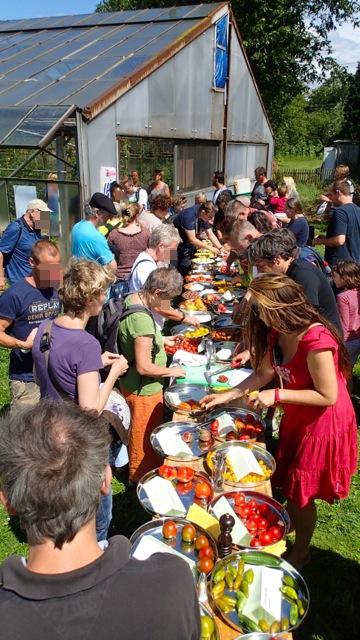
Social garden in Wolfartsweier
Max Breitzler, retrieved 08/15/2018
Overview
Nature-based solution
- Community gardens and allotments
- Allotments
- Community gardens
Key challenges
- Social justice, cohesion and equity (SDG 10)
- Social justice and equity
- Social cohesion
- Health and well-being (SDG 3)
- Improving mental health
- Economic development and employment (SDG 8)
- Employment/job creation
- Sustainable consumption and production (SDG 12)
- Sustainable consumption
- Sustainable production
Focus
Creation of new green areas, Transformation of previously derelict areas, Other
Project objectives
- Providing disadvantaged people with a purpose, a daily routine and structure (Ref. 2)
- Fostering reintroduction of long-term-unemployed people into regular employment on the general labour market (Ref. 3)
- Producing healthy food with sustainable methods and providing it to socially deprived people who couldn't afford them (Ref. 3, 9)
Implementation activities
On the former agricultural area by the association Initial Karlsruhe, 60 people with difficulties entering the regular labour market are taught by an agricultural engineer and a professional gardener how to prepare the soil for agricultural activities, set up greenhouses, erect vegetable beds and trails, seed, fertilize, maintain, water and harvest plants. The goal is that they will learn how to do it autonomously and take over responsibility for the horticulture and its produce. Upon harvest, the participants manage the delivery of the product to charitable organizations who provide healthy food to people who can’t afford them. (Ref. 3). The participants receive educational support in parallel and goals for personal development are worked out and agreed together. Sustainable production: The products are grown by hand and without artificial sprays or fertilizers. The garden’s own seeds are used only, and efforts are made to involve a large variety of flowers, herb spirals and vegetable plants. (Ref. 8, 9)
Main beneficiaries
- Marginalized groups: Socio-economically disadvantaged populations (e.g. low-income households, unemployed), Other
Governance
Management set-up
- Led by non-government actors
Type of initiating organisation
- Non-government organisation/civil society
Participatory approaches/ community involvement
- Dissemination of information and education
- Joint implementation (e.g. tree planting)
- Co-management/Joint management
Details on the roles of the organisations involved in the project
The association Initial Karlsruhe planned, designed, implemented and administrates this initiative in which 60 long-term-unemployed individuals with an addiction problem or psychological issues are involved (Ref. 3) The Social Garden was originally funded as an European Social Fund project funded by the EU, but funding was taken over by the city in 2016. (Ref. 1) Upon harvest, the participants manage the delivery of the produce to charitable organizations who provide healthy food to people who can’t afford them. (Ref. 3)
Project implemented in response to ...
... an EU policy or strategy?
No
... a national policy or strategy?
No
... a local policy or strategy?
No
Financing
Total cost
Unknown
Source(s) of funding
- EU funds
- Public local authority budget
Type of funding
- Earmarked public budget
- Direct funding (grants, subsidies, or self-financed projects by private entities)
Non-financial contribution
Unknown
Impacts and Monitoring
Environmental impacts
- Green space and habitat
- Increased green space area
- Increased number of species present
Economic impacts
- Increase of green jobs (e.g. paid employment positions)
Socio-cultural impacts
- Social justice and cohesion
- Improved social cohesion
- Increased access to healthy/affordable food
- Increased sustainability of agriculture practices
- Health and wellbeing
- Improved mental health
- Education
- Increased knowledge of locals about local nature
- Increased awareness of NBS and their benefits
Type of reported impacts
Achieved impacts
Presence of formal monitoring system
Unknown
Presence of indicators used in reporting
No evidence in public records
Presence of monitoring/ evaluation reports
No evidence in public records
Availability of a web-based monitoring tool
No evidence in public records
References
1. Initial Karlsruhe (2017). Der soziale Garten. Available at: Source link 10 Oct. 2020].
2. Initial Karlsruhe. (2014) ‘Mitgärtnern erwünscht. Am Rand der Rahel-Strauß-Straße in der Südstadt-Ost gedeiht Gemüse’, Badische Neueste Nachrichten. [Weblink unavailable in 2020].
3. Initial Karlsruhe (2010) ‘Gesundheit für alle 2009’. Available at: Source link [Accessed: 10 Oct. 2020].
4. Quartier Zukunft - Labor Stadt (2016) Konzept. Available at: Source link 10 Oct. 2020].
5. Stadt Karlsruhe (2016) Karlsruhe: Grüne Stadt Karlsruhe. Ziele der Grünen Stadt. Available at: Source link 10 Oct. 2020].
6. Quint, A. and Quartier Zukunft (2014) Land fördert Reallabor zur nachhaltigen Entwicklung der Karlsruher Oststadt. Available at: Source link 10 Oct. 2020].
7. Stadt Karlsruhe (2016a) Grüne Höfe, Dächer und Fassaden für Karlsruhe. Available at: Source link 10 Oct. 2020].
8. Source link (2020). Grüne Oasen in Karlsruhe Offene Pforte: Knielingen & Wolfartsweier laden zur Besichtigung. [online]. Available at: Source link [Accessed: 11 Oct. 2020].
9. Die UN-Dekade biologische Vielfalt. (nd). Sonderwettbewerb Soziale Natur: Der Soziale Garten. [online]. Available at: Source link [Accessed: 11 Oct. 2020].
10. Source link (2018). Ein Besuch im Sozialen Garten Wolfartsweier: Wie der arbeitslose Theo im Beet wieder eine Aufgabe fand. [online]. Available at: Source link [Accessed: 11 Oct. 2020].
2. Initial Karlsruhe. (2014) ‘Mitgärtnern erwünscht. Am Rand der Rahel-Strauß-Straße in der Südstadt-Ost gedeiht Gemüse’, Badische Neueste Nachrichten. [Weblink unavailable in 2020].
3. Initial Karlsruhe (2010) ‘Gesundheit für alle 2009’. Available at: Source link [Accessed: 10 Oct. 2020].
4. Quartier Zukunft - Labor Stadt (2016) Konzept. Available at: Source link 10 Oct. 2020].
5. Stadt Karlsruhe (2016) Karlsruhe: Grüne Stadt Karlsruhe. Ziele der Grünen Stadt. Available at: Source link 10 Oct. 2020].
6. Quint, A. and Quartier Zukunft (2014) Land fördert Reallabor zur nachhaltigen Entwicklung der Karlsruher Oststadt. Available at: Source link 10 Oct. 2020].
7. Stadt Karlsruhe (2016a) Grüne Höfe, Dächer und Fassaden für Karlsruhe. Available at: Source link 10 Oct. 2020].
8. Source link (2020). Grüne Oasen in Karlsruhe Offene Pforte: Knielingen & Wolfartsweier laden zur Besichtigung. [online]. Available at: Source link [Accessed: 11 Oct. 2020].
9. Die UN-Dekade biologische Vielfalt. (nd). Sonderwettbewerb Soziale Natur: Der Soziale Garten. [online]. Available at: Source link [Accessed: 11 Oct. 2020].
10. Source link (2018). Ein Besuch im Sozialen Garten Wolfartsweier: Wie der arbeitslose Theo im Beet wieder eine Aufgabe fand. [online]. Available at: Source link [Accessed: 11 Oct. 2020].
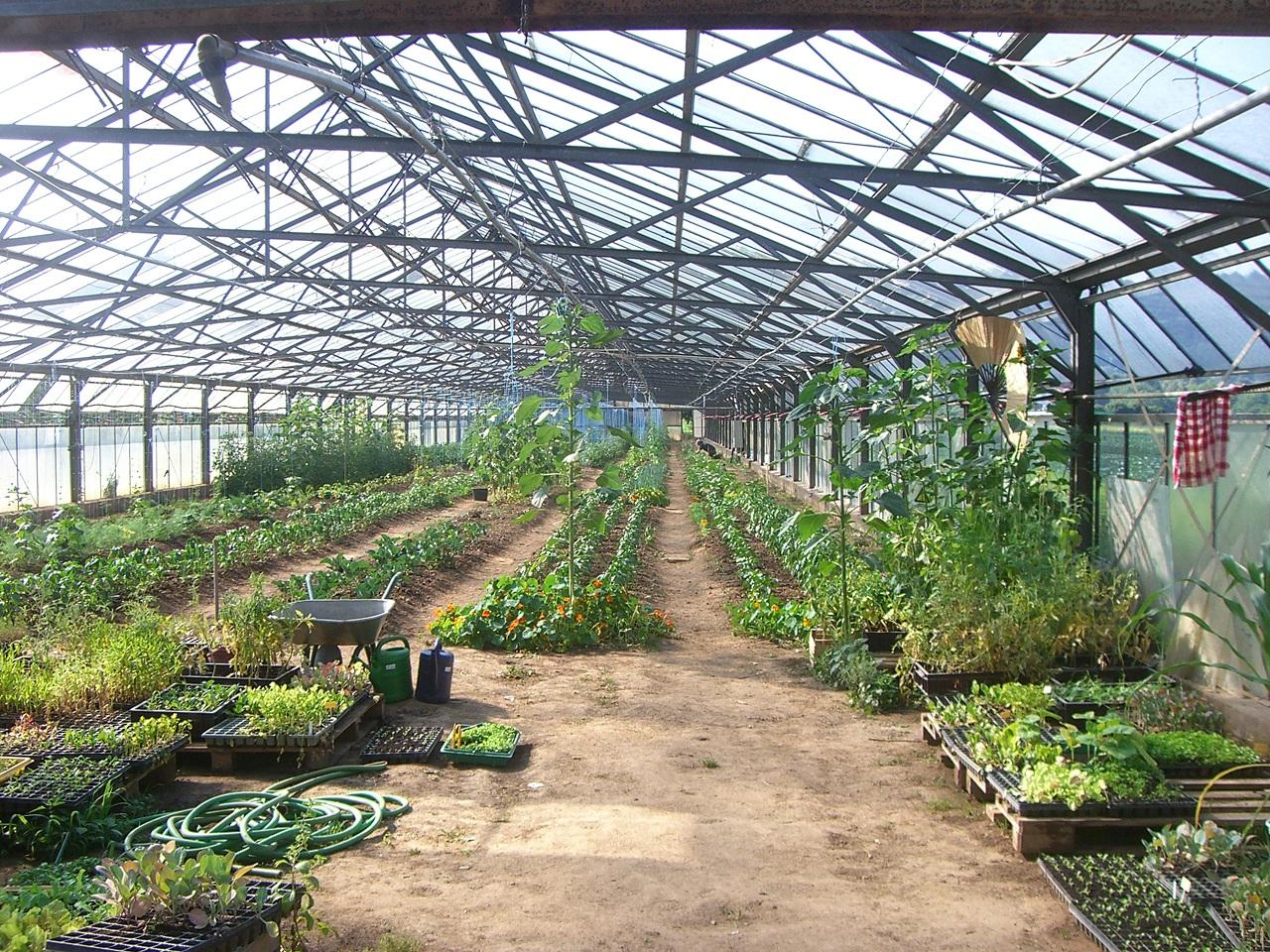
Social garden in Wolfartsweier (2010)
Max Breitzler, retrieved 08/15/2018
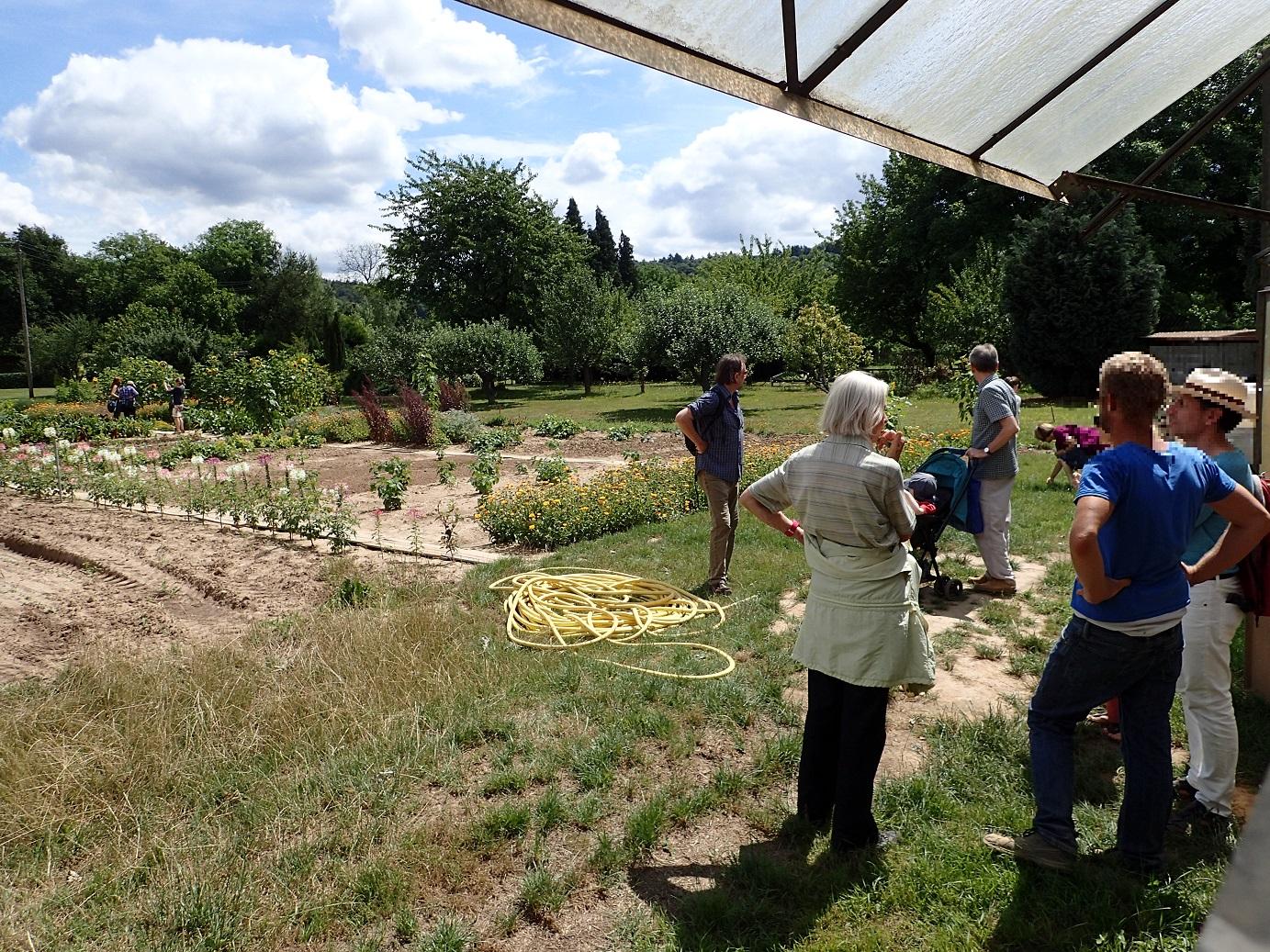
Social garden in Wolfartsweier (2017)
Max Breitzler, retrieved 08/15/2018