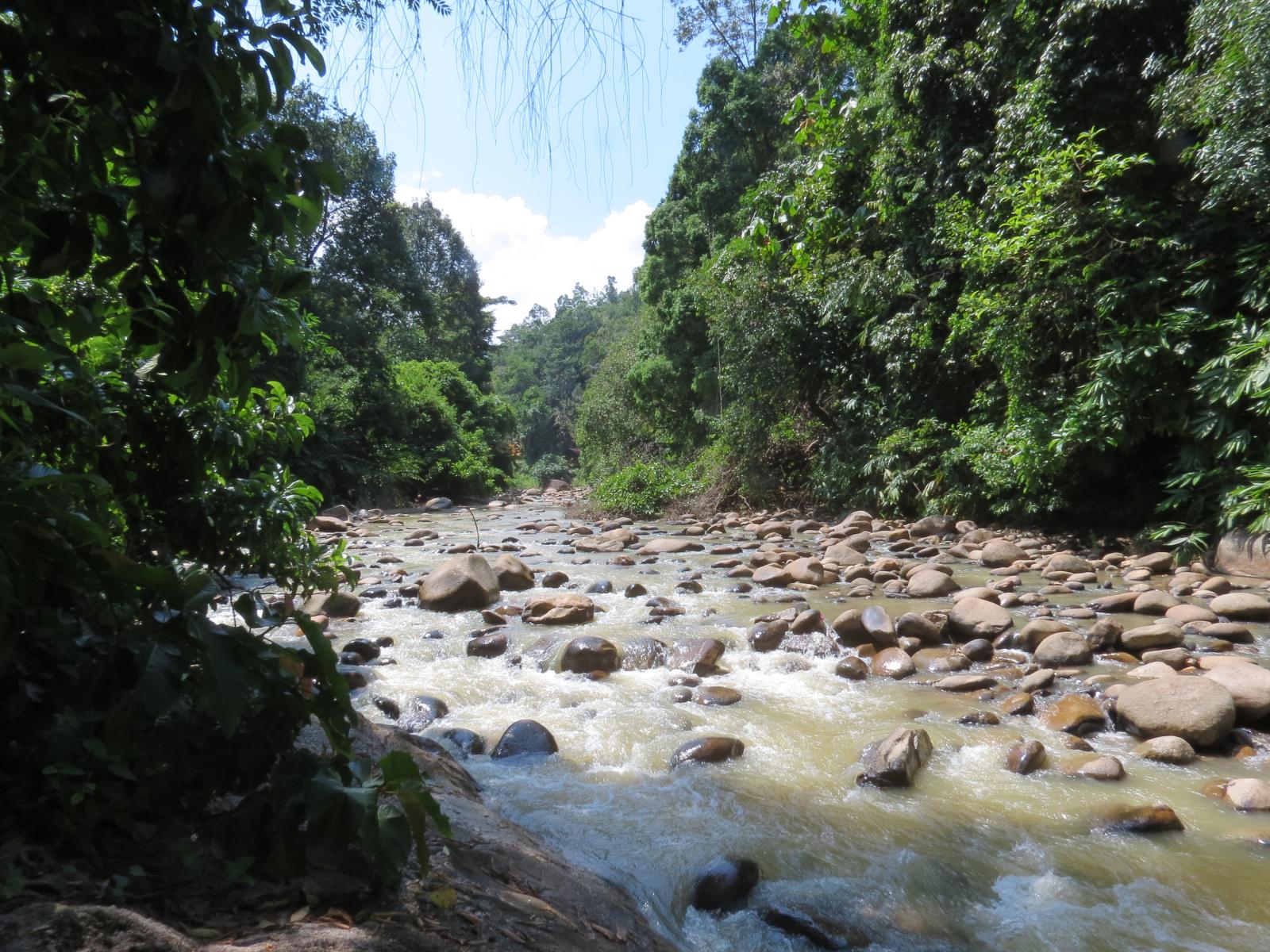
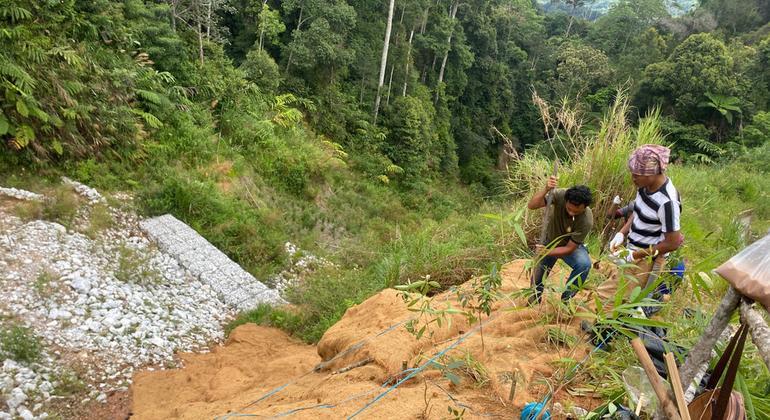
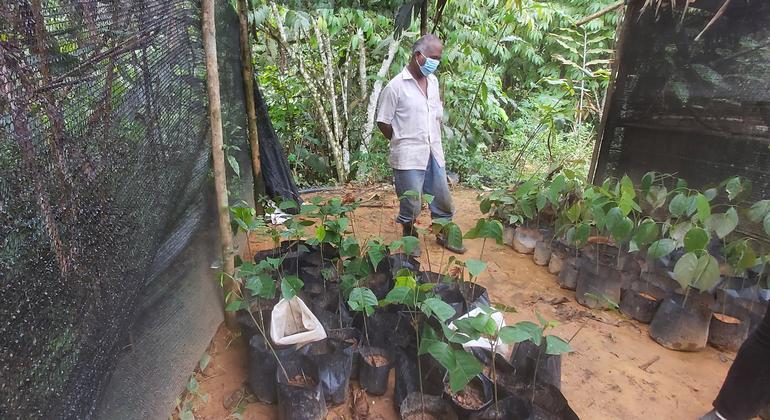
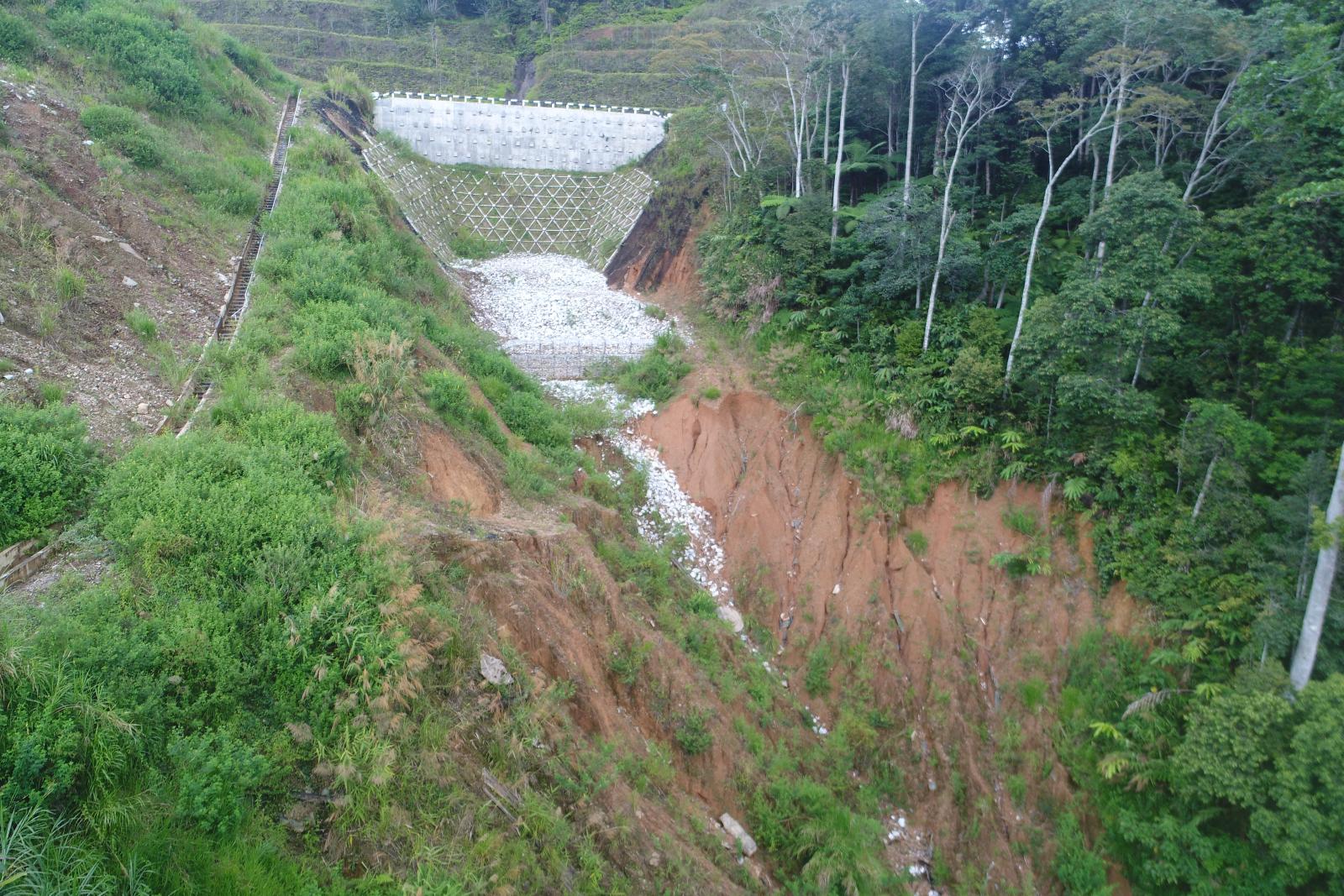
The Upper Kinta River Basin covers an area of about 31,470 hectares above Ipoh City, and it is the main water catchment resource for the residents of the city and its surrounding areas. The Kinta river basin is now threatened by land erosion, land development, improper sewage treatment and irresponsible waste discharges (Ref 1). In 2021, a pilot project was implemented near the city of Ipoh along the SimpangPulai Highway and experimented with river bio-engineering techniques to reduce soil erosion and subsequently prevent sedimentation downstream (Ref 3). The pilot site was established as part of the Mainstreaming Biodiversity Conservation into River Management project, which focused on applying nature-based solutions for mainstreaming biodiversity into riverine landscape planning and watershed management in Malaysia. To provide seedlings for the bio-engineering project and also other related initiatives, a nursery was established in the indigenous Pawong Orang Asli Village. The nursery also provided additional income for communities (Ref 4). The pilot was developed with the expectation to be upscaled and replicated in other parts of the UKB, especially along the SimpangPulai Highway. (Ref. 6)
Overview
Nature-based solution
- Blue infrastructure
- Rivers/streams/canals/estuaries
Key challenges
- Environmental quality
- Soil quality improvement
- Green space, habitats and biodiversity (SDG 15)
- Habitat and biodiversity conservation
- Water management (SDG 6)
- Improvements to water quality
- Cultural heritage and cultural diversity
- Promotion of cultural diversity
- Inclusive and effective governance (SDG 16)
- Inclusive governance
- Effective management
- Social justice, cohesion and equity (SDG 10)
- Social cohesion
- Environmental education
- Economic development and employment (SDG 8)
- Employment/job creation
Focus
Project objectives
Implementation activities
Biodiversity conservation or restoration-focused activities
Biodiversity conservation:
- Protect and enhance urban habitats
- Create new habitats
- Preserve and strengthen habitat connectivity
- Protect species
- Undertake specific measures to protect species
- Undertake specific measures to protect native species
- Undertake specific measures to protect endangered species
- Undertake specific measures to protect valued species
- Means for conservation governance
- Public engagement
- Create and use scientific knowledge for conservation
- Capacity building
Main beneficiaries
- National-level government
- Local government/Municipality
- Citizens or community groups
- Marginalized groups: Other
Governance
Management set-up
- Co-governance with government and non-government actors
Type of initiating organisation
- National government
- Multilateral organisation
Participatory approaches/ community involvement
- Dissemination of information and education
- Consultation (e.g. workshop, surveys, community meetings, town halls)
- Joint implementation (e.g. tree planting)
- Co-management/Joint management
- Citizen monitoring and review
Details on the roles of the organisations involved in the project
Project implemented in response to ...
Financing
Total cost
Source(s) of funding
- Public national budget
- Multilateral funds/international funding
- Other
Type of funding
- Earmarked public budget
- Direct funding (grants, subsidies, or self-financed projects by private entities)
Non-financial contribution
Impacts and Monitoring
Environmental impacts
- Climate change
- Strengthened capacity to address climate hazards/natural disasters
- Environmental quality
- Improved soil quality
- Water management and blue areas
- Improved water quality
- Enhanced protection and restoration of freshwater ecosystems
- Green space and habitat
- Promotion of naturalistic styles of landscape design for urban development
- Increased conservation or restoration of ecosystems
- Increased conversion of degraded land or soil
- Reduced biodiversity loss
- Increased protection of threatened species
Economic impacts
- Increase of green jobs (e.g. paid employment positions)
Socio-cultural impacts
- Social justice and cohesion
- Fair distribution of social, environmental and economic benefits of the NBS project
- Increased visibility and opportunity for marginalised groups or indigenous peoples
- Increased involvement of locals in the management of green spaces
- Education
- Increased support for education and scientific research
- Increased awareness of NBS and their benefits
Type of reported impacts
Presence of formal monitoring system
Presence of indicators used in reporting
Presence of monitoring/ evaluation reports
Availability of a web-based monitoring tool
References
2. UNDP Ecosystems & Biodiversity (2022), Engineering with nature Rain, landslides, floods – nature-based solutions prevent soil erosion and protect people in Perak, Malaysia, available at Source link (accessed 18 January 2023)
3. Mainstreaming of Biodiversity Conservation into River Management (n.d.) MSP Project document Available at: Source link (accessed 16 April 2023)
4. Global Environment Centre (GEC) (2023), MAINSTREAMING OF BIODIVERSITY CONSERVATION INTO RIVER MANAGEMENT - Output 2: Best Management Practices for Critical Riverine Habitats are demonstrated at Key Sites of National Importance: UPPER KINTA BASIN, available at Source link (accessed 18 January 2023)
5. Global Environment Centre (GEC) (2020), Upper Kinta Basin Management Strategy (UKBMaS), available at Source link (accessed 18 January 2023)
6. Global Environment Centre (GEC) (2022), Proceedings of Mainstreaming Biodiversity Conservation into River Management in Malaysia Symposium, available at Source link (accessed 18 January 2023)
7. Global Environment Centre (GEC) (2020), UKB Riverine Biodiversity Study, available at Source link (accessed 18 January 2023)
8. Global Environment Centre (GEC) (2022), Mainstreaming Biodiversity Conservation into River Management” Project - Terminal evaluation, available at: Source link (accessed 16 April 2023)
9. Global Environment Centre (GEC) (2023) Pilot Bioengineering Demonstration Site. Available at: Source link (accessed 16 April 2023)