

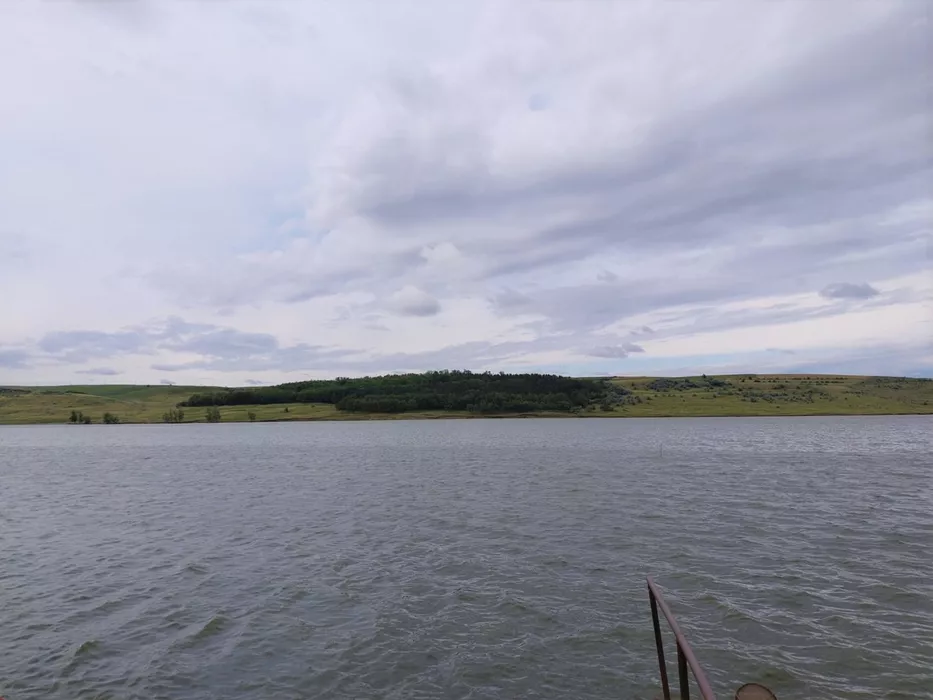
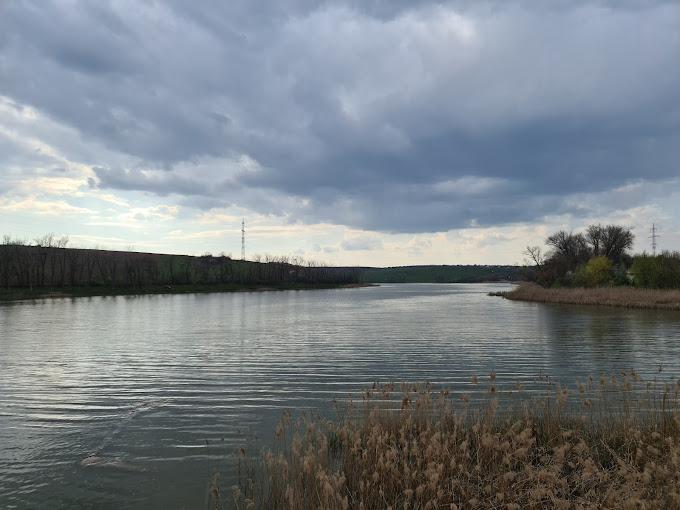
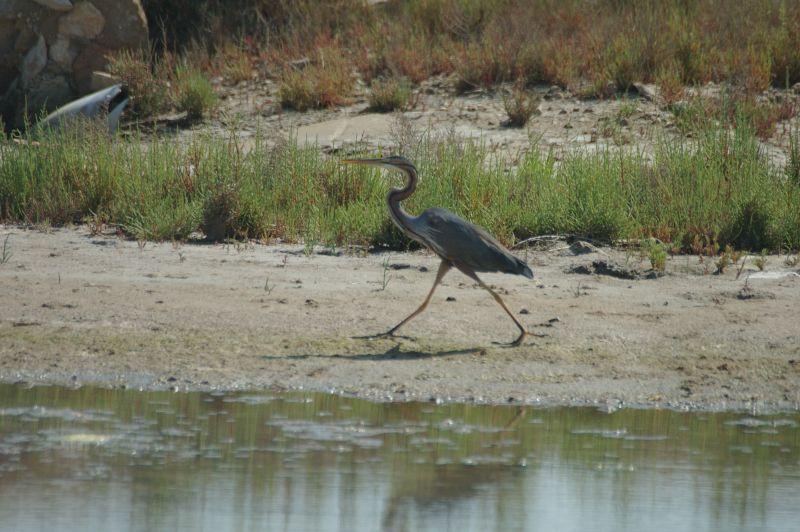
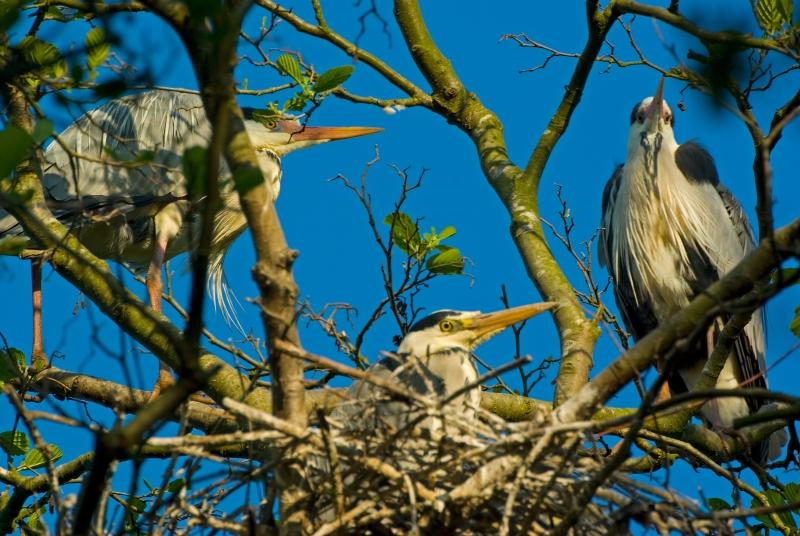
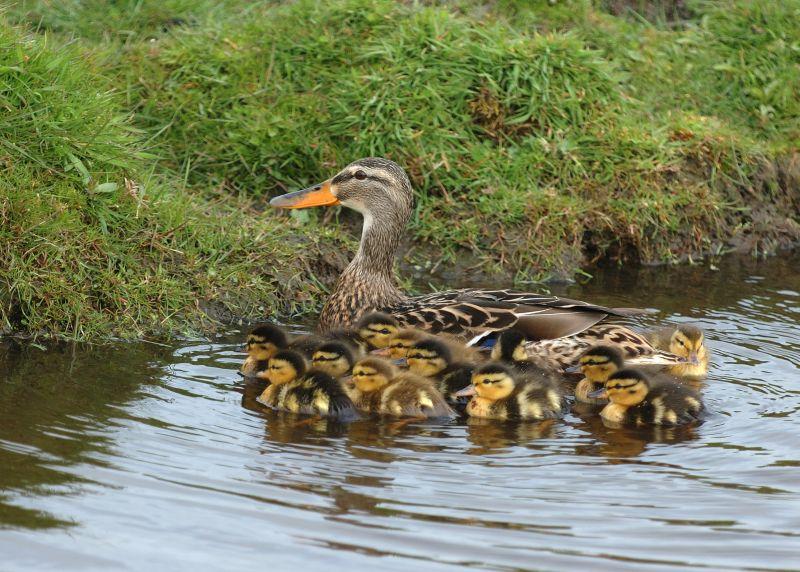
The initiative focuses on the creation and implementation of a management plan for the Natura 2000 areas of Ciurbesti Lake and Fânațele Bârca to protect their biodiversity and promote sustainable tourism and land use. These areas were designated as part of the Natura 2000 network in 2016, but until recently, lacked a formal management plan. In 2019, the environmental group "Asociaţia Scutierii Naturii Bacău," in partnership with the Environmental Protection Agency of Iași (APM Iași), secured EU funding to develop the plan. While the plan was being developed, minimal regulations were established in 2022 to ensure interim protection. The finalized management plan was released in 2024. It assessed species and habitats of European, national, and community importance, identifying 18 bird species, 3 plant species, 1 mammal species, and 4 key habitats. The plan also identified environmental pressures and set objectives and actions to ensure the conservation of this biodiversity. Before the plan's completion, two rounds of public consultations were held, involving a broad range of stakeholders, including surrounding municipalities, private landowners, public administrators, and local community representatives, to define optimal management practices. The plan mandates continuous monitoring and reporting on the state of species and habitats. It also includes specific conservation measures, such as the partial reconstruction of endangered habitats, meetings with local land users to restrict harmful activities, public awareness campaigns, and regular monitoring. Additionally, it emphasizes the sustainable use of the area, including tourism. The creation of the plan was financed with EU funds totaling €1,036,014.27, and the projected cost for its implementation is €259,627.99. (1-5)
Overview
Nature-based solution
- Blue infrastructure
- Lakes/ponds
Key challenges
- Environmental quality
- Waste management
- Green space, habitats and biodiversity (SDG 15)
- Green space creation and/or management
- Habitat and biodiversity restoration
- Habitat and biodiversity conservation
- Inclusive and effective governance (SDG 16)
- Inclusive governance
- Effective management
- Social justice, cohesion and equity (SDG 10)
- Environmental education
- Economic development and employment (SDG 8)
- Tourism support
Principal problems in Functional Urban Area (FUA)
- Climate-Related Hazards
- Drought
- Forest fires and wildfires
- Environmental Degradation
- Biodiversity loss
- Invasive alien species
- Land use and Socio-economic change
- Agriculture/ crop production
- Rapid urbanization
- Health, Well-being and Social cohesion
- Disconnection from nature
- Poor community engagement
- Resource Scarcity and Competition
- Over-exploitation of natural resources (water resources, overgrazing, fisheries, mangroves, fore products)
Key priorities
Focus
Project objectives
Implementation activities
Biodiversity conservation or restoration-focused activities
Biodiversity conservation:
- Protect and enhance urban habitats
- Preserve and strengthen existing habitats and ecosystems
- Preserve and strengthen habitat connectivity
- Reduce negative impacts and avoid the alteration/damage of ecosystem
- Protect species
- Undertake specific measures to protect species
- Undertake specific measures to protect native species
- Undertake specific measures to protect endangered species
- Undertake specific measures to protect valued species
- Control and clean invasive alien species
- Means for conservation governance
- Raise public awareness
- Public engagement
Biodiversity restoration:
- Rehabilitate and restore damaged or destroyed ecosystems
- Clear and control invasive alien species
- Public engagement
Main beneficiaries
- National-level government
- Local government/Municipality
- Public sector institution (e.g. school or hospital)
- Non-government organisation/Civil Society
- Citizens or community groups
- Food producers and cultivators (i.e. farmers, gardeners)
- Marginalized groups: Elderly people
Governance
Management set-up
- Led by non-government actors
Type of initiating organisation
- Public sector institution
- Non-government organisation/civil society
Participatory approaches/ community involvement
- Co-planning (e.g. stakeholder workshops, focus groups, participatory mapping)
- Taskforce groups
- Dissemination of information and education
- Consultation (e.g. workshop, surveys, community meetings, town halls)
- Co-management/Joint management
Details on the roles of the organisations involved in the project
Project implemented in response to ...
Type of enablers
Financing
Total cost
Source(s) of funding
- EU funds
Type of funding
- Direct funding (grants, subsidies, or self-financed projects by private entities)
Non-financial contribution
Impacts and Monitoring
Environmental impacts
- Environmental quality
- Improved waste management
- Expected improved waste management
- Green space and habitat
- Increased conservation or restoration of ecosystems
- Expected increased conservation or restoration of ecosystems
- Reduced biodiversity loss
- Expected reduced biodiversity loss
- Increased protection of threatened species
- Expected increased protection of threatened species
- Improved prevention or control of invasive alien species
- Expected improved prevention or control of invasive alien species
Economic impacts
- Increase of green jobs (e.g. paid employment positions)
- Achieved increase of green jobs (e.g. paid employment positions)
- Generation of other type of work opportunities (e.g. voluntary, work for rehabilitation)
- Expected generation of other type of work opportunities (e.g. voluntary, work for rehabilitation)
- More sustainable tourism
- Expected more sustainable tourism
Socio-cultural impacts
- Social justice and cohesion
- Increased involvement of locals in the management of green spaces
- Achieved increased involvement of locals in the management of green spaces
- Health and wellbeing
- Gain in activities for recreation and exercise
- Expected gain in activities for recreation and exercise
- Cultural heritage and sense of place
- Increased appreciation for natural spaces
- Expected increased appreciation for natural spaces
- Education
- Increased support for education and scientific research
- Achieved increased support for education and scientific research
- Increased knowledge of locals about local nature
- Expected increased knowledge of locals about local nature
Type of reported impacts
Presence of formal monitoring system
Presence of indicators used in reporting
Presence of monitoring/ evaluation reports
Availability of a web-based monitoring tool
Potential risks of implementation and trade-offs
References

 Information about this nature-based solution was collected as part of the Naturescapes project funded by the European Union under Grant Agreement No 101084341.