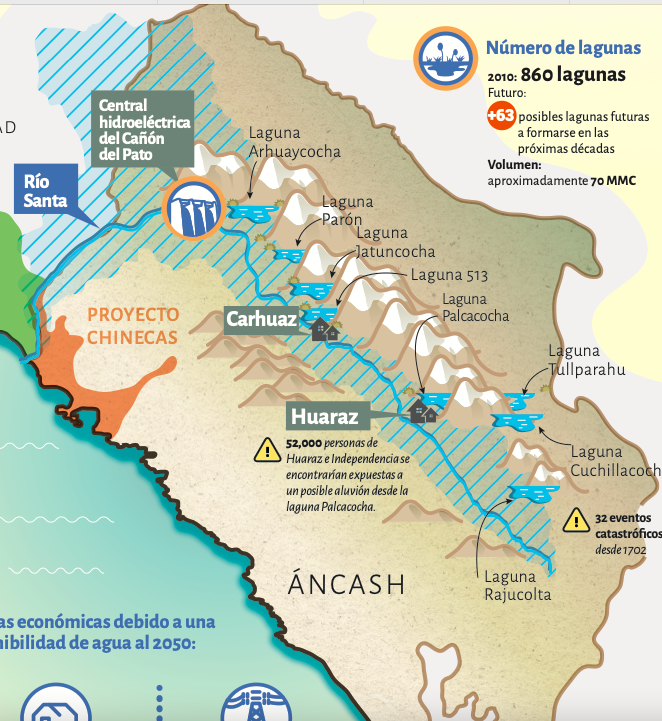
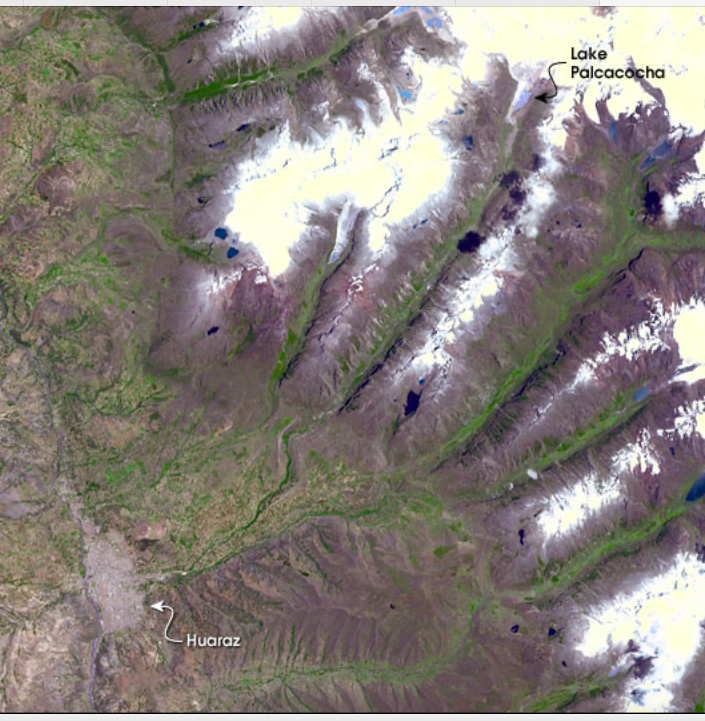
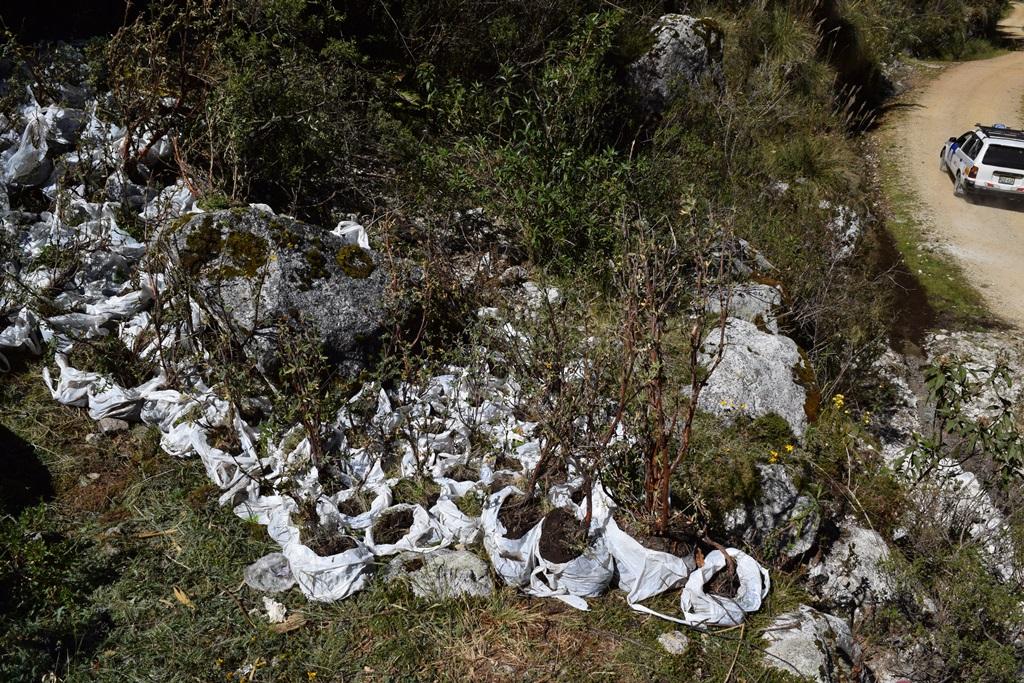
Peru has seen a sharp increase in major flooding, prolonged droughts and water scarcity of supplies in the dry season, negatively impacting agriculture, migration, conflict and economic growth in recent years. As 71% of the world's tropical glaciers are found in Peru these climatic changes affected the country profoundly leading to a decrease in the glacial surface and creating unstable lagoons also causing natural disasters such as alluvium landslides and deadly flash foods. Glacial melt is also disrupting water flow and quality, posing a threat to the flora and fauna that rely on freshwater environments. Unsustainable management of fragile glacier ecosystems is causing environmental degradation and biodiversity loss. To counteract many of these challenges and to safeguard the communities that are in peril, in 2011, the Government of Peru together with a number of stakeholders, initiated an intervention to sustainably manage more than 200 new lakes that affect directly populations in different cities in the Ancash, Cusco and Lima regions, Huaraz being one of the cities targeted. The project benefitted downstream communities and protected fragile high-altitude freshwater ecosystems. (1,2)
Overview
Nature-based solution
- Blue infrastructure
- Lakes/ponds
- Rivers/streams/canals/estuaries
- In-land wetlands, peatlands, swamps, and moors
- Parks and urban forests
- Large urban parks or forests
Key challenges
- Climate action for adaptation, resilience and mitigation (SDG 13)
- Climate change adaptation
- Environmental quality
- Soil quality improvement
- Green space, habitats and biodiversity (SDG 15)
- Habitat and biodiversity restoration
- Habitat and biodiversity conservation
- Water management (SDG 6)
- Flood protection
- Improvements to water quality
- Social justice, cohesion and equity (SDG 10)
- Environmental and climate justice
Focus
Project objectives
Implementation activities
Climate-focused activities
Climate change adaptation:
- Implement measures that prevent/manage desertification, soil erosion and landslides
- Restore wetlands and/or coastal ecosystems to dissipate the effects of flooding and/or storms
Biodiversity conservation or restoration-focused activities
Biodiversity conservation:
- Protect and enhance urban habitats
- Preserve and strengthen existing habitats and ecosystems
- Promote environmentally-sound development in and around protected areas
- Protect species
- Undertake specific measures to protect species
- Undertake specific measures to protect native species
- Means for conservation governance
- Raise public awareness
- Public engagement
- Capacity building
Biodiversity restoration:
- Restore species (native, endangered, or unspecified)
- Public engagement
Main beneficiaries
- Local government/Municipality
- Researchers/University
- Citizens or community groups
- Young people and children
- Marginalized groups: Socio-economically disadvantaged populations (e.g. low-income households, unemployed)
Governance
Management set-up
- Co-governance with government and non-government actors
Type of initiating organisation
- National government
- Regional government
- Local government/municipality
- Non-government organisation/civil society
- Citizens or community group
- Researchers/university
- Multilateral organisation
Participatory approaches/ community involvement
- Dissemination of information and education
- Consultation (e.g. workshop, surveys, community meetings, town halls)
- Joint implementation (e.g. tree planting)
Details on the roles of the organisations involved in the project
Project implemented in response to ...
Financing
Total cost
Source(s) of funding
- Multilateral funds/international funding
- National or regional development bank
Type of funding
- Direct funding (grants, subsidies, or self-financed projects by private entities)
Non-financial contribution
- Provision of land
- Provision of labour
- Provision of expertise
- Public authorities (e.g. land, utility services)
- Citizens (e.g. volunteering)
Impacts and Monitoring
Environmental impacts
- Climate change
- Water management and blue areas
- Improved stormwater management
- Green space and habitat
- Increased green space area
- Increased conservation or restoration of ecosystems
Economic impacts
- Increase of green jobs (e.g. paid employment positions)
Socio-cultural impacts
- Social justice and cohesion
- Increased involvement of locals in the management of green spaces
- Education
- Increased support for education and scientific research
- Increased knowledge of locals about local nature
- Increased awareness of NBS and their benefits
- Safety
- Improved community safety to climate-related hazards
Type of reported impacts
Presence of formal monitoring system
Presence of indicators used in reporting
Presence of monitoring/ evaluation reports
Availability of a web-based monitoring tool
References
2. Farm Africa (2021), Nature-based Solutions in Action: Lessons from the Frontline, available at Source link (accessed 2-11-2021)
3. University of Zurich (no date), E-clim: Glaciers, available at Source link (accessed 2-11-2021)
4. COSUDE (2017), In the framework of the Glaciers Project + in Ancash, available at Source link (accessed 2-11-2021)
5. SoloParaViajeros (2019), El queñual, el árbol nativo que puede salvar al mundo, available at Source link (accessed 2-11-2021)
6. Proyecto Glaciares (2016), Reforestación de plantones de quenuales (Ancash), available at Source link (accessed 2-11-2021)
7. COSUDE (no date), Publications and reports, available at Source link (accessed 2-11-2021)