

Last updated: October 2021
The Sea Heroes Garden is a community garden that was initiated by citizens on an empty lot with the goal to create a garden in which children can play, fruit and vegetables are grown organically and social activities are organized.(1) In the garden, multiple measures allow for storm water retention and the vegetation provides habitat for a broad variety of species. (5).
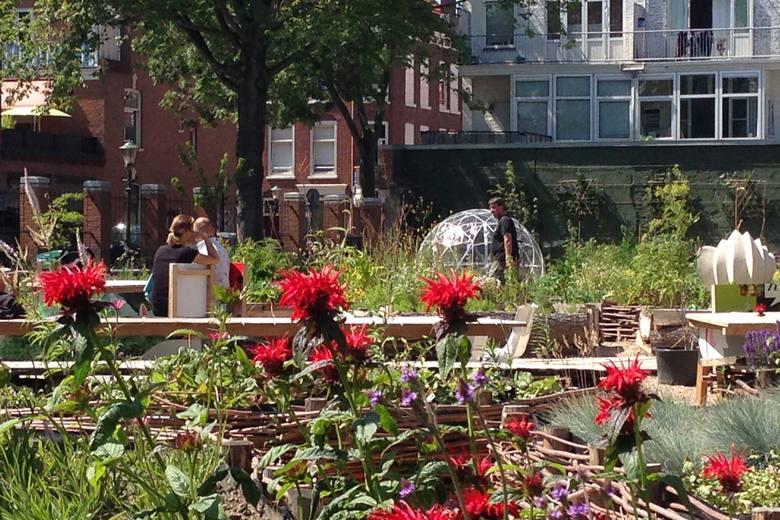
Source: https://www.swiss-architects.com/en/dgj-landscapes-zurich/project/zeeheldentuin-community-garden
Overview
Nature-based solution
- Grey infrastructure featuring greens
- Green playgrounds and school grounds
- Community gardens and allotments
- Allotments
- Community gardens
- Nature in buildings (indoor)
- Other
Key challenges
- Climate action for adaptation, resilience and mitigation (SDG 13)
- Climate change adaptation
- Water management (SDG 6)
- Stormwater and rainfall management and storage
- Green space, habitats and biodiversity (SDG 15)
- Green space creation and/or management
- Regeneration, land-use and urban development
- Conversion of former industrial areas
- Promote natural styles of landscape design for urban development
- Inclusive and effective governance (SDG 16)
- Inclusive governance
- Social justice, cohesion and equity (SDG 10)
- Environmental education
- Social cohesion
- Social interaction
- Health and well-being (SDG 3)
- Creation of opportunities for recreation
- Sustainable consumption and production (SDG 12)
- Sustainable consumption
- Sustainable production
Focus
Creation of new green areas, Transformation of previously derelict areas
Project objectives
1. Create a community garden in the heart of the Sea Heroes Quarter of The Hague in which children can play (adventurous playground), people including elderly can enjoy recreation and vegetables are grown (in allotments) (1).
2. Educate children about food production and the value of biodiversity. (1).
3. Achieve stormwater retention by means of vegetation and other measures that release pressure on the sewage system (1)
5. Reduction of heat stress in the area (5).
6. Plant vegetation that is favourable for local biodiversity and provides habitat for species: the vegetation in the fruit orchard and ornamental garden is chosen to provide optimal habitat, food and nesting possibility for species (1,5,7).
7. The Community Garden also provides recreational space that increases the well-being of citizens, which is particularly important for the elderly (1).
8. Support social cohesion by means of activities and recreational facilities (1).
Implementation activities
- Creation of an underground water basin that collects storm water from the buildings and temporarily stores it in order to be used for growing plants and vegetables (1).
- Construction of a water stream in which storm water can be temporarily stored with a hand pump which is used by children to play with (2,5)
- Construction of raised beds owned by citizens on which they grow vegetables (1).
- Plantation of a fruit tree orchard with apples and berries that citizens can pick (1,5)
- Installation of a playground corner for children (1).
- Organisation of cctivities such as barbecues and educational workshops (1,8).
- Installation of recreational facilities such as picnic tables and benches (1).
- Plantation of an ornamental flower garden (3,5), permeable surfaces that allows infiltration of storm water and reduces heat stress (5)
- Installation of bird houses and insect hotels (5)
- Creation of a plant nursery in which plants are grown organically (5,7)
- Exhibition of local art (5)
Climate-focused activities
Climate change adaptation:
- Increase or improve urban vegetation cover to help reduce outdoor temperature
- Create or improve outdoor spaces to help people escape from urban heat
Main beneficiaries
- Citizens or community groups
Governance
Management set-up
- Led by non-government actors
Type of initiating organisation
- Citizens or community group
Participatory approaches/ community involvement
- Co-planning (e.g. stakeholder workshops, focus groups, participatory mapping)
- Crowd-sourcing/Crowd-funding/Participatory budget
- Dissemination of information and education
- Consultation (e.g. workshop, surveys, community meetings, town halls)
- Joint implementation (e.g. tree planting)
- Co-management/Joint management
- Citizen oversight (e.g. boards, advisory)
- Citizen monitoring and review
- Other
Details on the roles of the organisations involved in the project
The community garden was initiated by citizens who formed a garden board. The garden was designed by DGJ architects and volunteer students from the Technical University of Delft (7) and based the design on ideas of citizens and drawings from school children (1). The garden board collected financial resources and coordinated the maintenance and activities of the garden. The project was financed by Stichting De Versterking (foundation who bought the land from the housing corporation Haag Wonen), different private funds (Fonds 1818, Jantje Beton and Oranjefonds), a bank (Rabobank), the municipality of The Hague, a health care facility (Zorg Hotel Residence Haganum) and the citizens themselves. The creation of the garden was done mainly by citizens themselves with support of DGJ architects and volunteers from the community group De Groene Eland. Maintenance is done by neighborhood citizens and volunteers of De Groene Eland, which is all coordinated by the board of the garden (1).
Project implemented in response to ...
... an EU policy or strategy?
No
... a national policy or strategy?
No
... a local policy or strategy?
Yes
(All developments in the area where the community garden was realized need to meet the planning guidance for the area of the municipality of The Hague, the 'Bestemmingsplan Zeeheldenkwartier 2010' (Development Plan of Sea Heroes Quarter). In this planning guidance it was established that the neighbourhood does not have green spaces, however no possibilities were provided for the realization of new green spaces (6). After the citizens collected 2500 signatures of neighborhood citizens, the municipality of The Hague was convinced that the neighborhood needed more green spaces and supported the development of the community garden. (6).)
Financing
Total cost
€500,000 - €2,000,000
Source(s) of funding
- Public local authority budget
- Corporate investment
- Funds provided by non-governmental organization (NGO)
- Private Foundation/Trust
- Crowdfunding
- Other
Type of funding
- Earmarked public budget
- Direct funding (grants, subsidies, or self-financed projects by private entities)
- Loan
- Donations
- Other
Non-financial contribution
Type of non-financial contribution
- Provision of labour
Who provided the non-financial contribution?
- Citizens (e.g. volunteering)
Impacts and Monitoring
Environmental impacts
- Water management and blue areas
- Improved stormwater management
- Green space and habitat
- Increased green space area
- Increased number of species present
- Enhanced support of pollination
- Restoration of derelict areas
Economic impacts
- Unknown
Socio-cultural impacts
- Social justice and cohesion
- Increased opportunities for social interaction
- Increased access to healthy/affordable food
- Increased sustainability of agriculture practices
- Health and wellbeing
- Gain in activities for recreation and exercise
- Education
- Increased support for education and scientific research
Type of reported impacts
Achieved impacts
Presence of formal monitoring system
Unknown
Presence of indicators used in reporting
No evidence in public records
Presence of monitoring/ evaluation reports
No evidence in public records
Availability of a web-based monitoring tool
No evidence in public records
References
1. De Zeeheldentuin. (n.d.). De Zeeheldentuin. Accessed on November 10, 2020, Source link
2. DGJ Landscapes. (2015). Zeeheldentuin Community Garden. Accessed on November 10, 2020, Source link
3. Knijpenburg, L. (2015) De Zeeheldentuin. Een groene oase voor buurtbewoners. Website not available
4. EUGIC (2015). Awardwinners 2015. Website not available
5. EUGIC (2015). 1st European Urban Green Infrastructure Conference 2015 Vienna. Nov. 23-24. Website not available
6. Gemeente Den Haag (2011). Groene pleinen zeeheldenkwartier. The Hague: municipality of The Hague. Accessed on November 10, 2020, Source link
7. Jauslin, D. (2014). Zeeheldentuin definitely. Accessed on November 10, 2020, Source link
8. Zeehelden Nieuws. (2017). Zeehero garden in dire straits. Accessed on November 10, 2020, Source link
2. DGJ Landscapes. (2015). Zeeheldentuin Community Garden. Accessed on November 10, 2020, Source link
3. Knijpenburg, L. (2015) De Zeeheldentuin. Een groene oase voor buurtbewoners. Website not available
4. EUGIC (2015). Awardwinners 2015. Website not available
5. EUGIC (2015). 1st European Urban Green Infrastructure Conference 2015 Vienna. Nov. 23-24. Website not available
6. Gemeente Den Haag (2011). Groene pleinen zeeheldenkwartier. The Hague: municipality of The Hague. Accessed on November 10, 2020, Source link
7. Jauslin, D. (2014). Zeeheldentuin definitely. Accessed on November 10, 2020, Source link
8. Zeehelden Nieuws. (2017). Zeehero garden in dire straits. Accessed on November 10, 2020, Source link

Source: https://www.swiss-architects.com/en/dgj-landscapes-zurich/project/zeeheldentuin-community-garden

Source: https://www.swiss-architects.com/en/dgj-landscapes-zurich/project/zeeheldentuin-community-garden
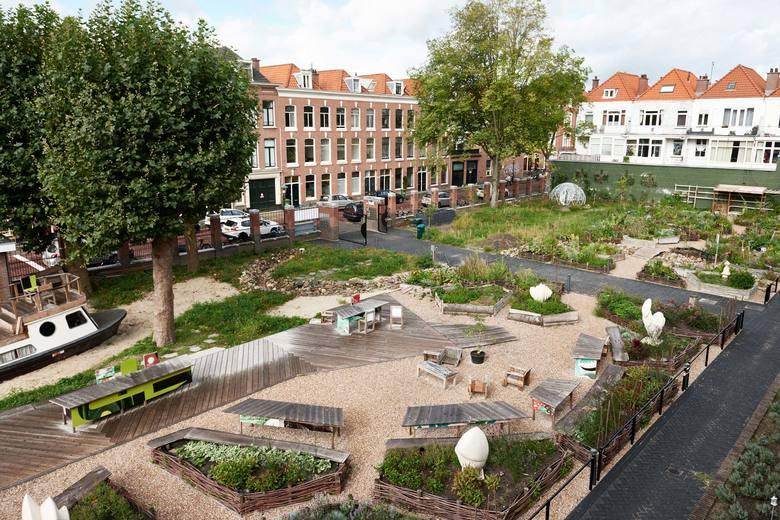
Source: https://www.swiss-architects.com/en/dgj-landscapes-zurich/project/zeeheldentuin-community-garden