

Last updated: October 2021
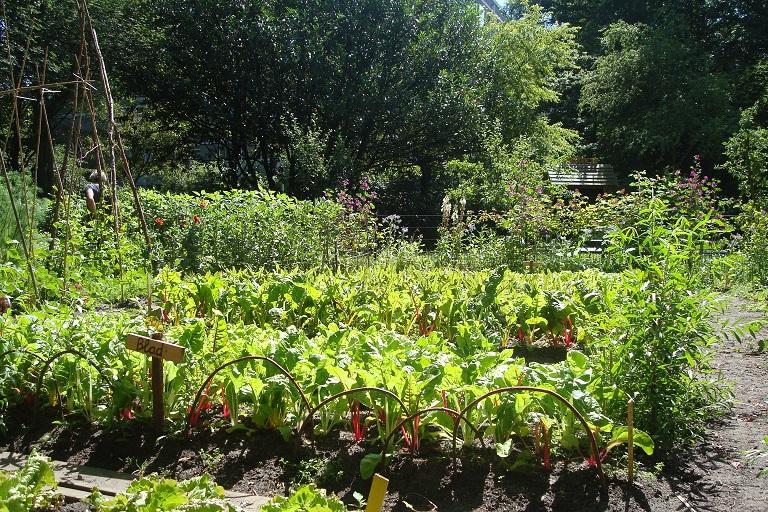
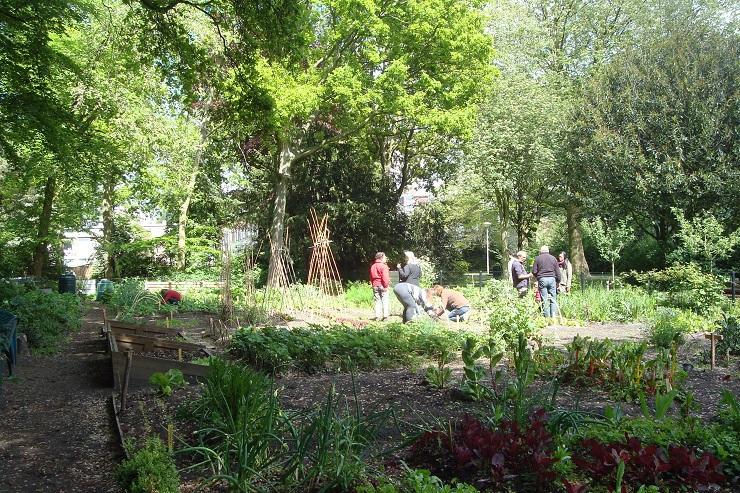
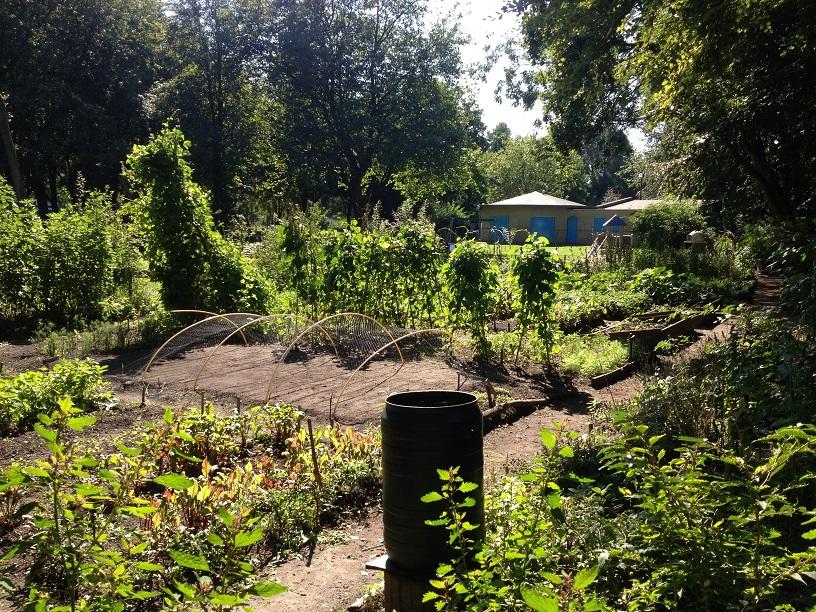
Mariahof is a community garden in which a large variety of actors is involved including citizens, schools and an NGO that supports social inclusion. In the garden, vegetables are grown for non-commercial food production, organic waste is composted and bees are kept for pollination and honey production (1,2,3,6). The garden works to raise awareness about sustainability and nature stewardship in an urban setting (2).

Source: https://demariahof.wordpress.com/2015/12/31/samentuin-de-mariahof-een-jaartje-rond/
Overview
Nature-based solution
- Parks and urban forests
- Pocket parks/neighbourhood green spaces
- Community gardens and allotments
- Community gardens
Key challenges
- Green space, habitats and biodiversity (SDG 15)
- Green space creation and/or management
- Regeneration, land-use and urban development
- Promote natural styles of landscape design for urban development
- Social justice, cohesion and equity (SDG 10)
- Environmental education
- Social cohesion
- Health and well-being (SDG 3)
- Creation of opportunities for recreation
- Sustainable consumption and production (SDG 12)
- Sustainable consumption
- Sustainable production
Focus
Creation of new green areas, Knowledge creation and awareness raising
Project objectives
1. Sustainable production of vegetables, education and social cohesion and equity. (1,2,3). Sustainable production of vegetables: by making use of crop rotation and organic agriculture techniques (no pesticides or chemicals) (1,6)
2. Raise awareness through vegetable and butterfly gardens about nature. This goal setting also includes the education, as children are educated by citizens including elderly people about nature and the basics of growing fruit, vegetables and flowers and citizens exchange knowledge regarding sustainable agriculture techniques (2,5,6)
3. Encourage connection between citizens of all ages. Everyone can participate and the garden is maintained by neighbourhood citizens, volunteers and two primary schools and the harvest is shared equally among participants of the garden. Some of the vegetables go to Resto Van Harte, an NGO/restaurant that promotes social cohesion (1,2,3,6)
4. Break down myths about sustainability such as being expensive or complicated (5)
Implementation activities
- Maintenance of the vegetable garden by neighbourhood citizens, volunteers from Resto Van Harte and children from two primary schools of the neighbourhood (1,6)
- Growing healthy crops sustainably by means of crop rotation and no use of pesticides or chemicals (6)
- Building of a bee houses for beekeeping to support for pollination and honey production (1,6)
- Construction of a composting site where organic waste can be collected by citizens and turned into plant nutrients. (1)
- Organisation of social activities such as pick nicks, cleaning days, food tastings and children educational activities (1)
Main beneficiaries
- Citizens or community groups
Governance
Management set-up
- Led by non-government actors
Type of initiating organisation
- Citizens or community group
Participatory approaches/ community involvement
- Co-planning (e.g. stakeholder workshops, focus groups, participatory mapping)
- Consultation (e.g. workshop, surveys, community meetings, town halls)
- Joint implementation (e.g. tree planting)
- Co-management/Joint management
- Citizen oversight (e.g. boards, advisory)
Details on the roles of the organisations involved in the project
The project was initiated by citizens. Beatrice van Tilburg is a neighborhood citizen who started the project and formed a community group, de Stichting de Tuinen van Mariahoeve. The municipality of The Hague has provided the land and filled it with new soil so that the community group was able to create the vegetable garden. (3). The community group, other neighborhood citizens, volunteers and children from the schools De Vuurvlinder and The British school do the maintenance in the community garden. (1,2,3). Resto Van Harte is a restaurant/NGO that organizes dinners at community gardens all over the country and also in the Mariahof and children from the primary schools help cooking when dinners are organized. (2). The 'Vereniging Ecologisch Leven en Tuinieren' (Association Ecological Living and Gardening, NGO) works together with the community group in organizing workshops and courses in the garden. Volunteers of this NGO can for example follow courses on basic ecological gardening. (2)
Project implemented in response to ...
... an EU policy or strategy?
Unknown
... a national policy or strategy?
Unknown
... a local policy or strategy?
Unknown
Financing
Total cost
Unknown
Source(s) of funding
- Private Foundation/Trust
- Crowdfunding
Type of funding
- Direct funding (grants, subsidies, or self-financed projects by private entities)
Non-financial contribution
Type of non-financial contribution
- Provision of land
- Provision of goods
- Provision of labour
Who provided the non-financial contribution?
- Citizens (e.g. volunteering)
Impacts and Monitoring
Environmental impacts
- Environmental quality
- Improved air quality
- Improved soil quality
- Green space and habitat
- Increased green space area
- Enhanced support of pollination
Economic impacts
- Unknown
Socio-cultural impacts
- Social justice and cohesion
- Improved social cohesion
- Improved access to urban green space
- Increased opportunities for social interaction
- Increased involvement of locals in the management of green spaces
- Increased access to healthy/affordable food
- Increased sustainability of agriculture practices
- Health and wellbeing
- Gain in activities for recreation and exercise
- Education
- Increased knowledge of locals about local nature
Type of reported impacts
Achieved impacts
Presence of formal monitoring system
Unknown
Presence of indicators used in reporting
No evidence in public records
Presence of monitoring/ evaluation reports
No evidence in public records
Availability of a web-based monitoring tool
No evidence in public records
References
1. Van Tilburg, B. (2015). Samentuin de Mariahof. Website not available
2. Stichting de Tuinen van Mariahoeve (n.d.). Samentuin de Mariahof, Mariahoeve Den Source link on November 9, 2020, Source link
3. Haagse Dingen (2014). Tuinen van Mariahoeve - Haagse Dingen 2. November 9, 2020, Source link
4. Stichting de Tuinen van Mariahoeve (n.d.). De Tuinen van Mariahoeve. November 9, 2020, Source link
5. Ruardy, R. (n.d.). De Tuinen van Mariahoeve verbinden. November 9, 2020, Source link
6. Rizkalla, M. (2014). Duurzaamheid door Haagse wijken: De Tuinen van Mariahoeve. Website not available. Gemeente Den Haag (n.d.) Artikelsgewijze toelichting Initiatievenbudget Duurzaamheid door Haagse wijken. The Hague: Municipality of The Hague. November 9, 2020, Source link
2. Stichting de Tuinen van Mariahoeve (n.d.). Samentuin de Mariahof, Mariahoeve Den Source link on November 9, 2020, Source link
3. Haagse Dingen (2014). Tuinen van Mariahoeve - Haagse Dingen 2. November 9, 2020, Source link
4. Stichting de Tuinen van Mariahoeve (n.d.). De Tuinen van Mariahoeve. November 9, 2020, Source link
5. Ruardy, R. (n.d.). De Tuinen van Mariahoeve verbinden. November 9, 2020, Source link
6. Rizkalla, M. (2014). Duurzaamheid door Haagse wijken: De Tuinen van Mariahoeve. Website not available. Gemeente Den Haag (n.d.) Artikelsgewijze toelichting Initiatievenbudget Duurzaamheid door Haagse wijken. The Hague: Municipality of The Hague. November 9, 2020, Source link

Source: https://demariahof.wordpress.com/2015/12/31/samentuin-de-mariahof-een-jaartje-rond/
Source: https://demariahof.wordpress.com/2015/12/31/samentuin-de-mariahof-een-jaartje-rond/
Source: https://demariahof.wordpress.com/2015/12/31/samentuin-de-mariahof-een-jaartje-rond/
Source: https://demariahof.wordpress.com/2015/12/31/samentuin-de-mariahof-een-jaartje-rond/