

Last updated: October 2021
The idea of beekeeping originated from AUDI AG, Audi Hungaria's parent company. In 2015, Audi Hungaria was in the midst of implementing its flora and fauna protection plan thus the beekeeping idea was in line with ongoing developments, and was quickly taken up by management. 6 bee colonies with 270,000 bees were installed in September 2015. The bees produce 200-240 kilograms of honey each year, which is branded as Audi Hungaria Premium Honey, and gifted to visitors, as well as purchasable in the gift shop. The income is used for nature conservation programmes. The company also cooperates with the University of Sopron in a biomonitoring project which uses the bees as bioindicators of environmental pollution. (Reference 1)
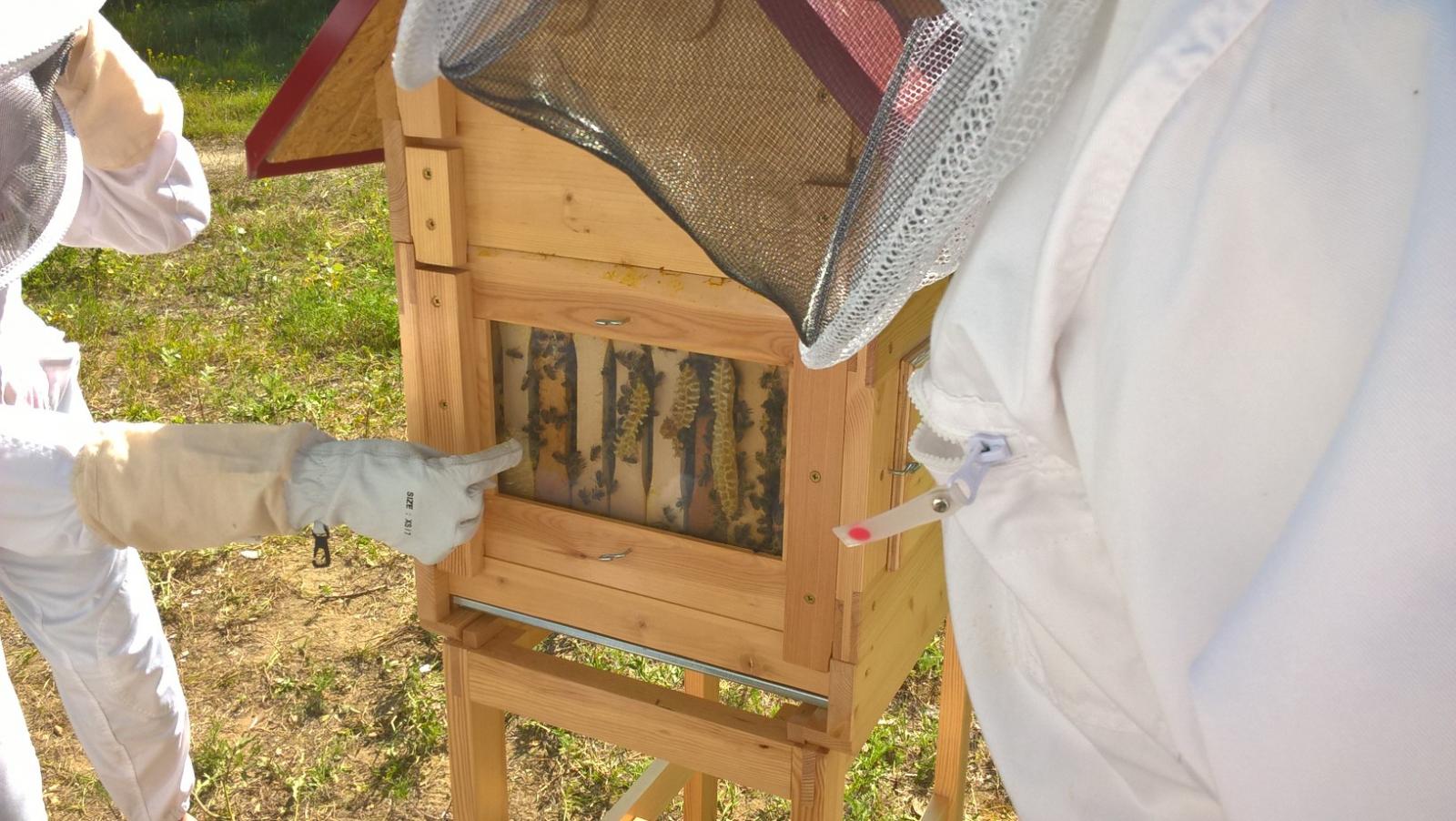
Sensitization of Staff and Audi Hungaria School children
Csanaki 2017. Beekeeping at Audi Hungaria [Photographs]. Retrieved 07/31/2018 From Katona, A. (2017). Case Study Working Paper GYŐR: Milestone 4.2. Budapest: CEU, pp 24.
Overview
Nature-based solution
- Grey infrastructure featuring greens
- Institutional green space
- Other
Key challenges
- Green space, habitats and biodiversity (SDG 15)
- Habitat and biodiversity conservation
- Social justice, cohesion and equity (SDG 10)
- Environmental education
- Sustainable consumption and production (SDG 12)
- Sustainable production
Focus
Knowledge creation and awareness raising, Monitoring and maintenance of habitats and/or biodiversity
Project objectives
The goals of the beekeeping project include (Reference 1):
- biodiversity preservation;
- raising the awareness about bees, their importance in ecosystems and their global decline;
- providing interactive education about sustainability for schoolchildren;
- providing a good marketing strategy for the company (Audi Hungaria);
- improving pollution biomonitoring research using bees as bioindicators. (as bees transport accumulated pollutants into the beehive);
- ecological landscape management.
Implementation activities
Key steps in the process were (Reference 1):
• inspiration from Audi AG to develop beekeeping activities at Audi Hungaria,
• acquiring approval and funding,
• bringing together all relevant internal stakeholders to alleviate barriers,
• hiring an Audi beekeeper,
• implementation of beehives with 270,000 bees in six bee colonies
• creation of a solar-powered beekeeper's shack
• establishment of an interpretive trail for education
• plantation of pedunculate oaks with schools in Győr to protect the bees. (Reference 2)
Biodiversity conservation or restoration-focused activities
Biodiversity conservation:
- Protect and enhance urban habitats
- Create new habitats
- Reduce negative impacts and avoid the alteration/damage of ecosystem
- Protect species
- Undertake specific measures to protect species
- Undertake specific measures to protect valued species
- Means for conservation governance
- Manage biological resources for conservation and sustainable use
- Raise public awareness
- Public engagement
Main beneficiaries
- Private sector/Corporate/Company
- Researchers/University
- Young people and children
Governance
Management set-up
- Led by non-government actors
Type of initiating organisation
- Private sector/corporate actor/company
Participatory approaches/ community involvement
- Dissemination of information and education
- Co-management/Joint management
Details on the roles of the organisations involved in the project
Audi AG is the parent company of Audi Hungaria that iniciated the project. Audi Hungaria set up beekeeping within factory grounds. The University of Sopron’s Forestry Faculty in the leader of the bioindicator research project that analyses samples of honey, propolis, beeswax, and collected pollen. (Reference 1)
Project implemented in response to ...
... an EU policy or strategy?
No
... a national policy or strategy?
No
... a local policy or strategy?
No
Financing
Total cost
Unknown
Source(s) of funding
- Corporate investment
Type of funding
- Direct funding (grants, subsidies, or self-financed projects by private entities)
Non-financial contribution
Type of non-financial contribution
- Provision of expertise
Who provided the non-financial contribution?
- Other
Impacts and Monitoring
Environmental impacts
- Green space and habitat
- Increased conservation or restoration of ecosystems
- Increased protection of threatened species
- Enhanced support of pollination
Economic impacts
- Generation of income from NBS
Socio-cultural impacts
- Education
- Increased support for education and scientific research
- Increased awareness of NBS and their benefits
Type of reported impacts
Achieved impacts
Presence of formal monitoring system
Unknown
Presence of indicators used in reporting
No evidence in public records
Presence of monitoring/ evaluation reports
Yes
Availability of a web-based monitoring tool
No
References
1. Katona, A. (2017). Case Study Working Paper GYŐR: Milestone 4.2. Budapest: CEU, pp 10-24.
Naturvation project (2018): Snapshot - Győr: Beekeeping at Audi Hungaria. URL: Source link [Accessed: 25 Jul. 2020]
2. Source link (2015). Peter Kössler: Az Audi Hungária rekordévet vár. [online] Available at: Source link [Accessed: 25 Jul. 2020]
Naturvation project (2018): Snapshot - Győr: Beekeeping at Audi Hungaria. URL: Source link [Accessed: 25 Jul. 2020]
2. Source link (2015). Peter Kössler: Az Audi Hungária rekordévet vár. [online] Available at: Source link [Accessed: 25 Jul. 2020]
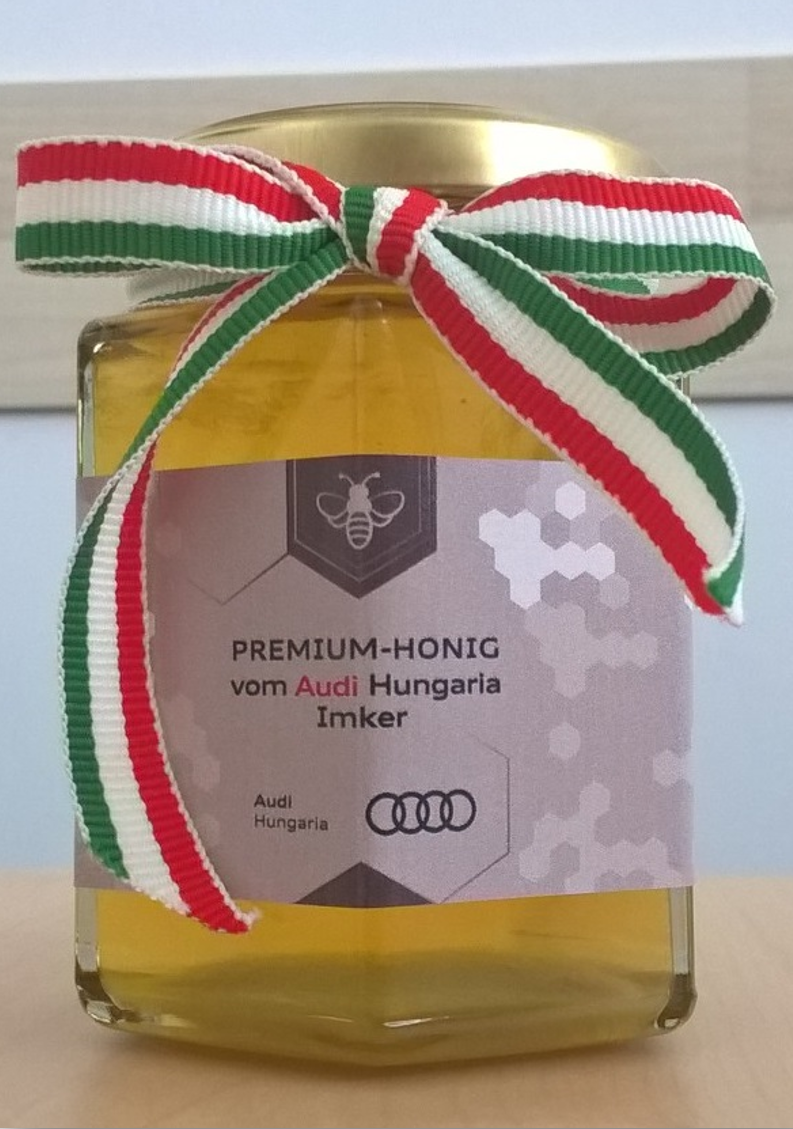
Audi Hungaria Premium Honey
Beekeeping at Audi Hungaria [Photograph]. Retrieved 07/31/2018 From Katona, A. (2017). Case Study Working Paper GYŐR: Milestone 4.2. Budapest: CEU, pp 24.